Anarcho-Distributism
Synthesis of anarchism and distributism that defends the wide distribution of property and small-scale production, with autonomous communities and cooperatives organized without a state or large monopolies.
Home / Ideologies / Anarcho-Distributism
Synthesis of anarchism and distributism that defends the wide distribution of property and small-scale production, with autonomous communities and cooperatives organized without a state or large monopolies.
EDITORIAL SUMMARY
I want property widely distributed among cooperatives and autonomous communities, producing on a small scale without state or monopolies.
Sources below support the specific identity or context claims indicated. They do not validate this profile’s twelve numerical coordinates, its closest matches, or every statement in its description.
A documented source review is still pending for this entry. Treat its description and coordinates as an atlas interpretation.
How to interpret catalog profilesPolitical Axes
These coordinates are editorial interpretations. The two pole scores add to 100; they describe a position in this model, rather than a probability. Read how catalog profiles are interpreted ↗
This position is 61.3 points from the median of the 257 ideology profiles in this collection.
This is the largest distance from this collection’s median across the twelve axes. The collection is not a survey of public opinion.
This position is 5.0 points from this collection’s median.
This is the smallest median distance across the twelve axes; it does not establish a historical or political consensus.
Scores below are similarity indices out of 100, calculated from catalog coordinates. They do not establish historical influence or endorsement. How the comparison works ↗
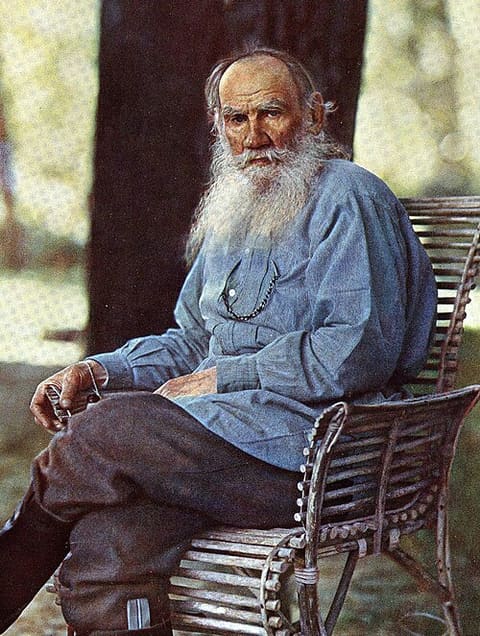
A Russian writer, Tolstoy united his literary work with pacifist Christian anarchism, preaching nonviolence, simplicity, and refusal of the state in ways that influenced Gandhi and later movements.
Closest by facet
Each facet compares three axes: governance (power distribution, representation, civil liberties), culture (integration, religion, social norms), or economy (ownership, coordination, trade). Full-profile similarity compares all twelve.
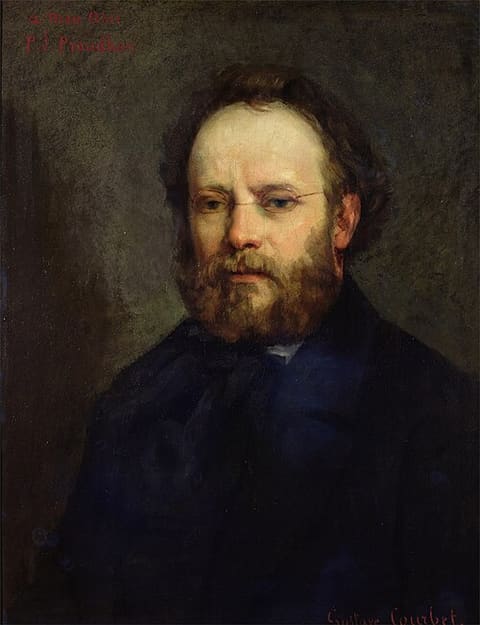
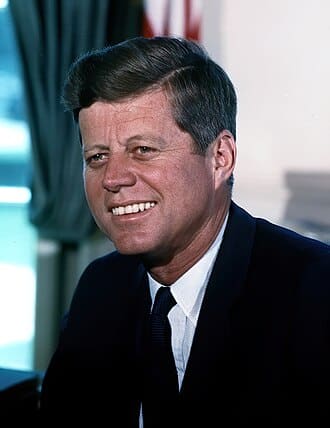

Other nearby figures
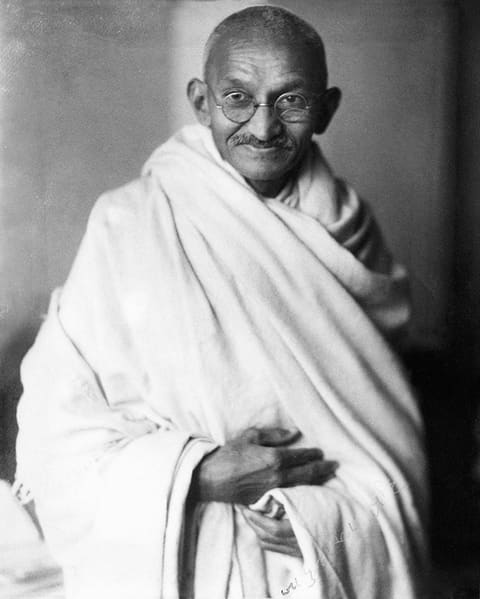
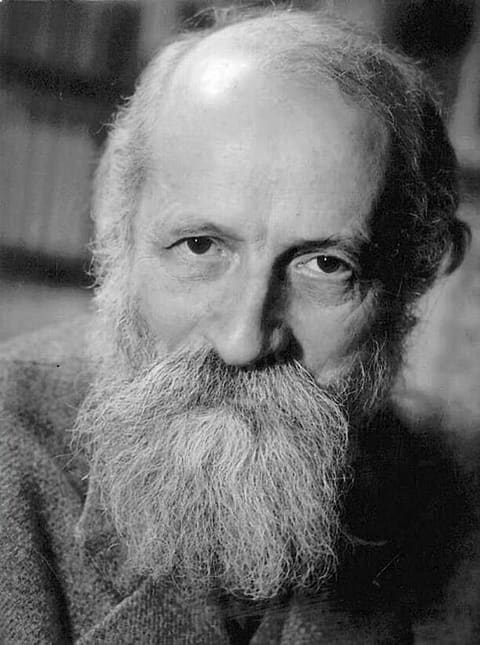
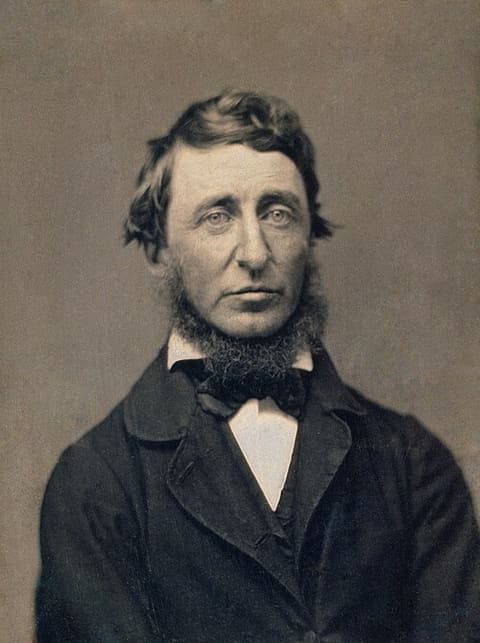
Most distant figures
Scores below are similarity indices out of 100, calculated from catalog coordinates. They do not establish historical influence or endorsement. How the comparison works ↗
Related Doctrines
Scores below are similarity indices out of 100, calculated from catalog coordinates. They do not establish historical influence or endorsement. How the comparison works ↗
Most compatible among the 257 schools
Current of John Zerzan and Ted Kaczynski that sees industrial civilization and agriculture itself as the root of domination, calling for the end of modern technology and a return to small stateless hunter-gatherer communities.
Anarchist branch centered on the countryside, defending autonomous rural communities, collective ownership of land, and peasant cooperation, rejecting the state and land concentration in favor of self-management.
Neo-Zapatista movement that emerged in 1994 in southern Mexico, combining indigenous autonomy, direct democracy through assemblies and caracoles, cooperative subsistence economy, and refusal to seize state power, summed up as 'lead by obeying'.
Most distant ideology
FascismTerceira Posição35.5 / 100