Modernizing Authoritarianism
Model inspired by Park Chung-hee's regime, combining state-led industrialization, credit for private firms, and planning with anti-communist political repression.
Home / Ideologies / Modernizing Authoritarianism
Model inspired by Park Chung-hee's regime, combining state-led industrialization, credit for private firms, and planning with anti-communist political repression.
EDITORIAL SUMMARY
I want a developmental state directing credit and private industry, imposing political order in the name of national progress.
Sources below support the specific identity or context claims indicated. They do not validate this profile’s twelve numerical coordinates, its closest matches, or every statement in its description.
A documented source review is still pending for this entry. Treat its description and coordinates as an atlas interpretation.
How to interpret catalog profilesPolitical Axes
These coordinates are editorial interpretations. The two pole scores add to 100; they describe a position in this model, rather than a probability. Read how catalog profiles are interpreted ↗
This position is 53.8 points from the median of the 257 ideology profiles in this collection.
This is the largest distance from this collection’s median across the twelve axes. The collection is not a survey of public opinion.
This position is 2.5 points from this collection’s median.
This is the smallest median distance across the twelve axes; it does not establish a historical or political consensus.
Scores below are similarity indices out of 100, calculated from catalog coordinates. They do not establish historical influence or endorsement. How the comparison works ↗
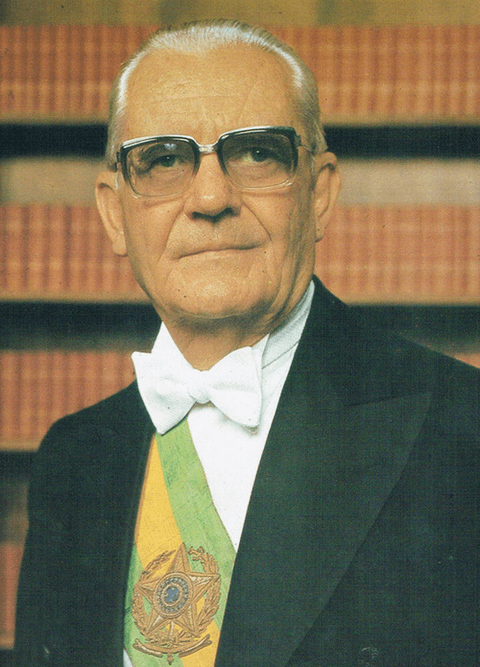
A general and president during the military regime, Geisel pursued a policy of "slow, gradual, and safe" political opening, combining controlled liberalization with selective repression of opponents and strong state intervention in the economy.
Closest by facet
Each facet compares three axes: governance (power distribution, representation, civil liberties), culture (integration, religion, social norms), or economy (ownership, coordination, trade). Full-profile similarity compares all twelve.
Other nearby figures
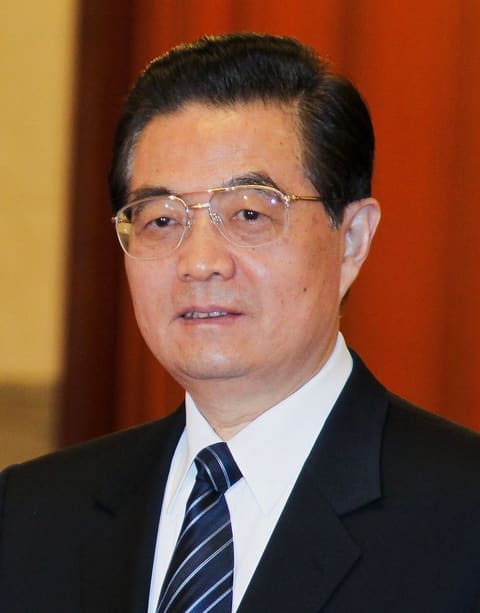
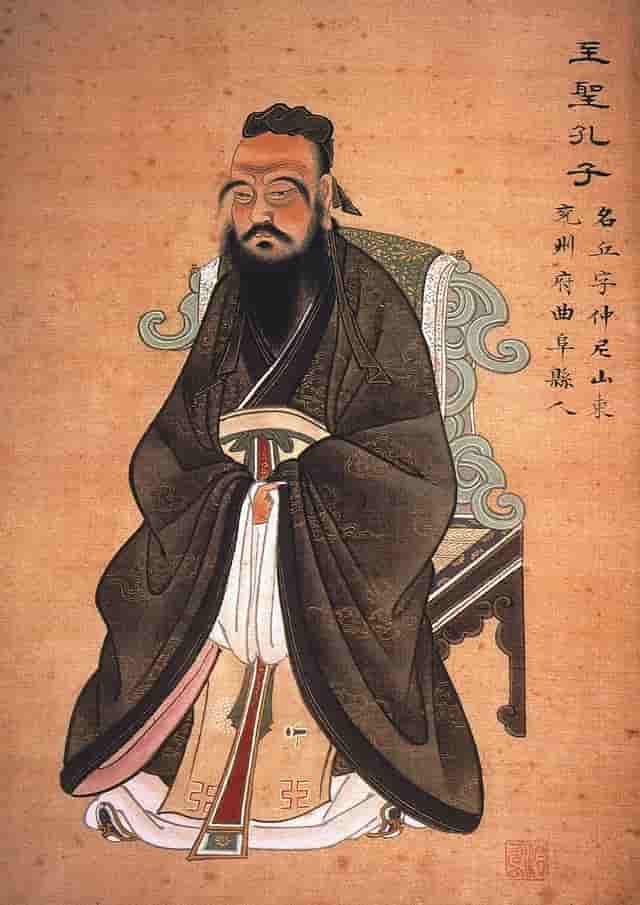
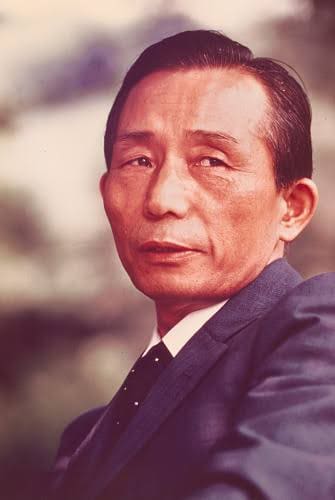
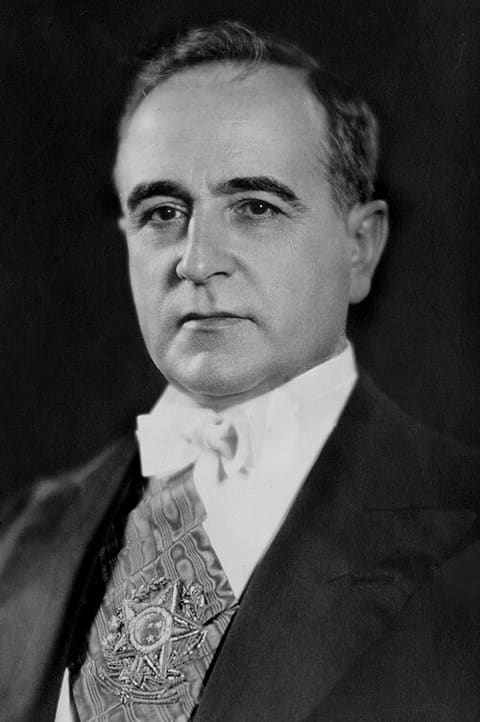
Most distant figures
Scores below are similarity indices out of 100, calculated from catalog coordinates. They do not establish historical influence or endorsement. How the comparison works ↗
Related Doctrines
Scores below are similarity indices out of 100, calculated from catalog coordinates. They do not establish historical influence or endorsement. How the comparison works ↗
Most compatible among the 257 schools
21st-century doctrine of the CPC associated with Xi Jinping. It combines centralized Party leadership and socialist modernization, advocating national rejuvenation, predominant public ownership, and a socialist market with private enterprise and technological innovation.
Pragmatic reform initiated by Deng Xiaoping that introduced markets, private property, and economic opening under the absolute control of the Communist Party, forming the model of socialism with Chinese characteristics.
Administrative doctrine of enlightened absolutism that organized the state through a disciplined bureaucracy and centralized finances, promoting industry, population, and revenue as sources of the monarch's power.
Most distant ideology
Anarcho-NaturismAnarquismo41.4 / 100