Communalism
Model created by Murray Bookchin based on autonomous municipalities and federated popular assemblies, with a community economy and direct democracy, seeking to replace the state with a free confederation.
Home / Ideologies / Communalism
Model created by Murray Bookchin based on autonomous municipalities and federated popular assemblies, with a community economy and direct democracy, seeking to replace the state with a free confederation.
EDITORIAL SUMMARY
I want autonomous municipalities with federated popular assemblies, a community economy and direct democracy, replacing the state with a free confederation.
Sources below support the specific identity or context claims indicated. They do not validate this profile’s twelve numerical coordinates, its closest matches, or every statement in its description.
A documented source review is still pending for this entry. Treat its description and coordinates as an atlas interpretation.
How to interpret catalog profilesPolitical Axes
These coordinates are editorial interpretations. The two pole scores add to 100; they describe a position in this model, rather than a probability. Read how catalog profiles are interpreted ↗
This position is 60.0 points from the median of the 257 ideology profiles in this collection.
This is the largest distance from this collection’s median across the twelve axes. The collection is not a survey of public opinion.
This position is 14.1 points from this collection’s median.
This is the smallest median distance across the twelve axes; it does not establish a historical or political consensus.
Scores below are similarity indices out of 100, calculated from catalog coordinates. They do not establish historical influence or endorsement. How the comparison works ↗
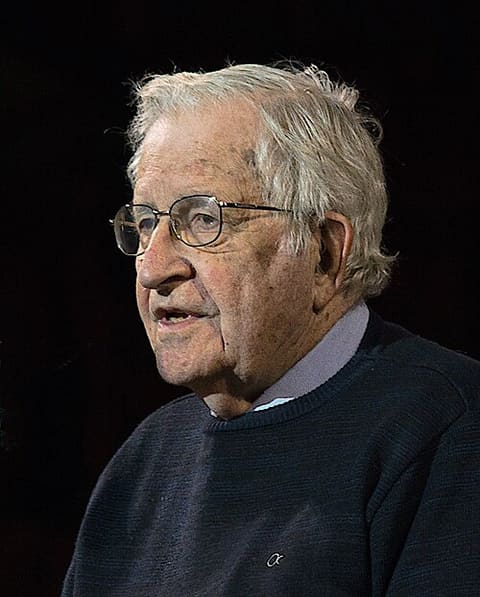
An American linguist and thinker, Chomsky revolutionized linguistics and became an influential voice of libertarian socialism, criticizing corporate power, the media, and US imperialism in the world.
Closest by facet
Each facet compares three axes: governance (power distribution, representation, civil liberties), culture (integration, religion, social norms), or economy (ownership, coordination, trade). Full-profile similarity compares all twelve.
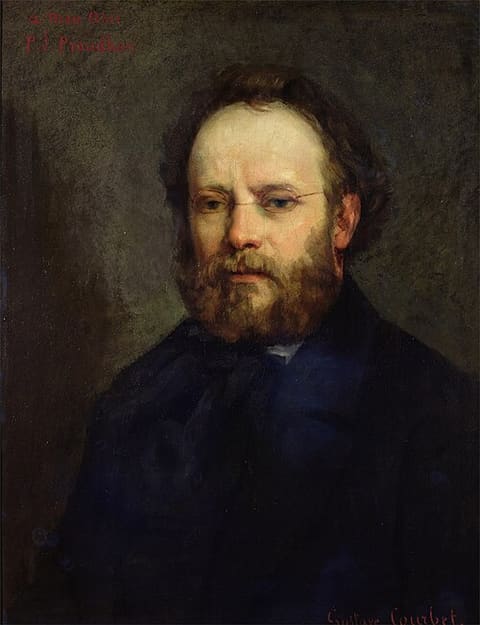
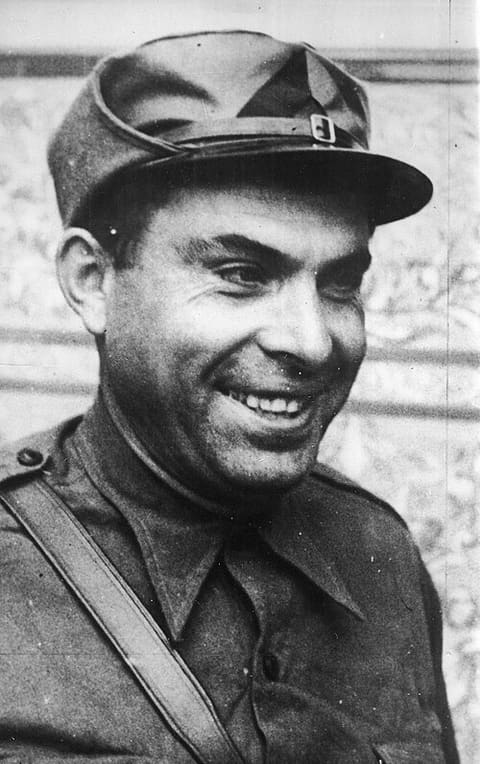
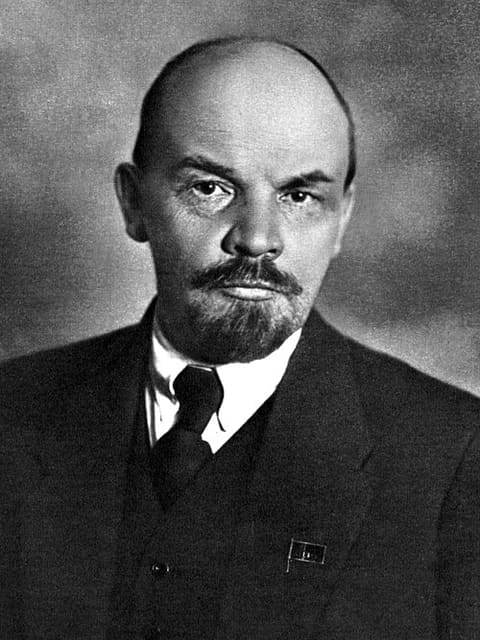
Other nearby figures
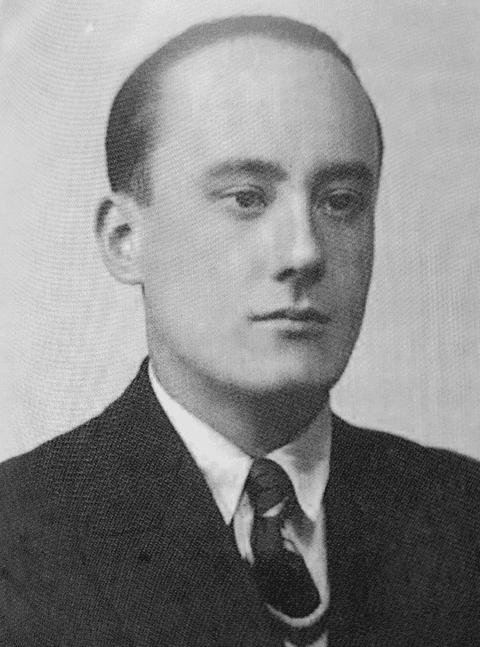
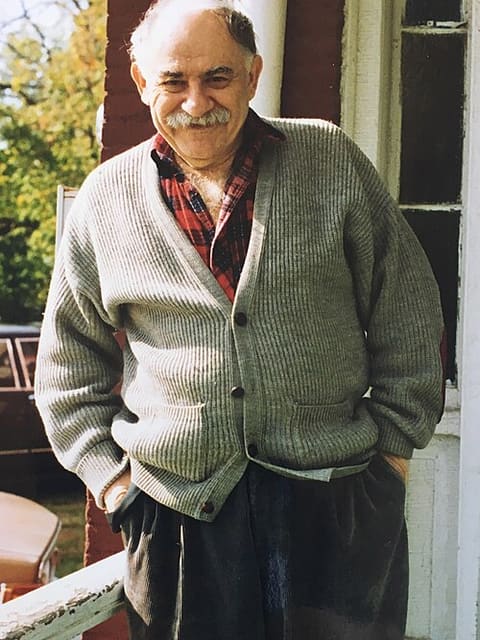
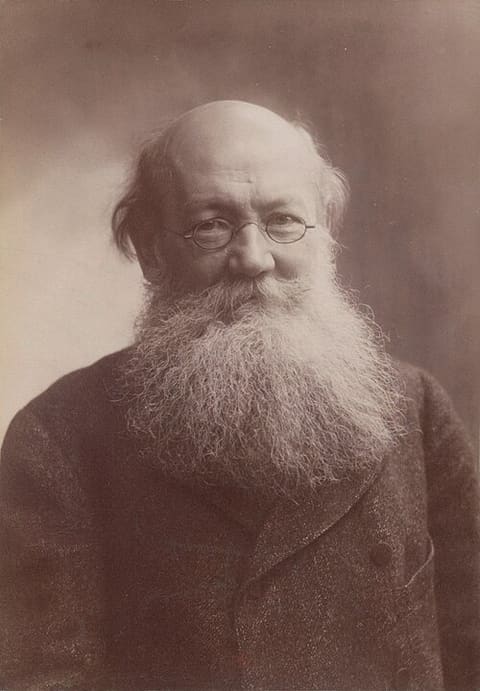
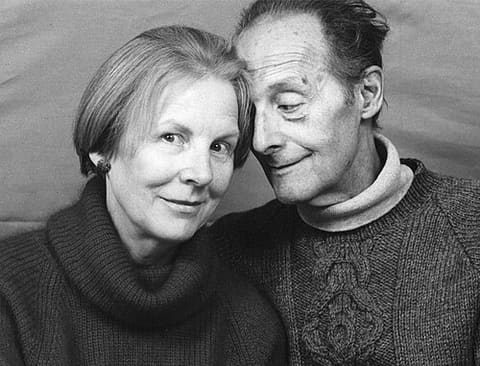
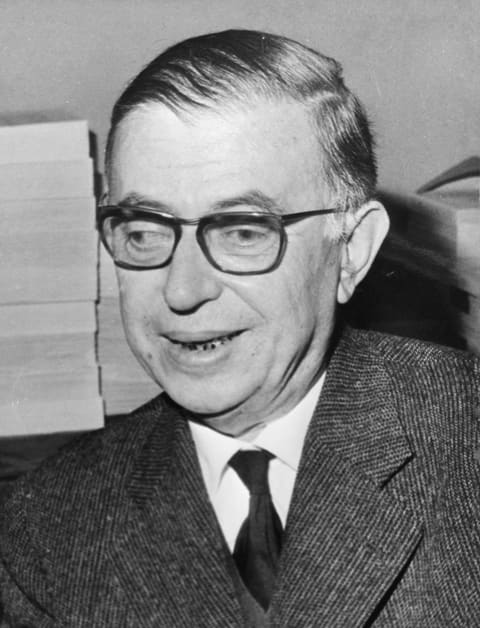

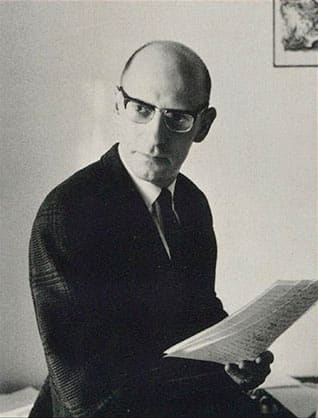
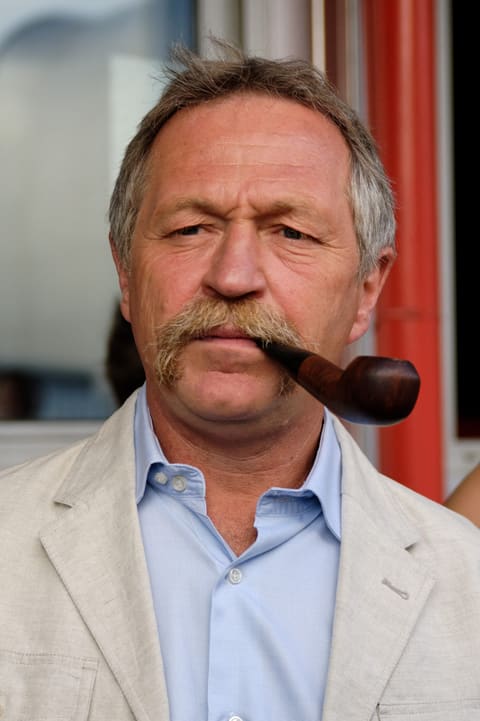
Most distant figures
Scores below are similarity indices out of 100, calculated from catalog coordinates. They do not establish historical influence or endorsement. How the comparison works ↗
Related Doctrines
Scores below are similarity indices out of 100, calculated from catalog coordinates. They do not establish historical influence or endorsement. How the comparison works ↗
Most compatible among the 257 schools
Current that unites anarchism and communism, proposing a society without state or private property, with collective production and distribution according to need, based on free association and mutual aid.
Current that pursues socialism without an authoritarian state, uniting collective ownership and self-management with broad individual freedom, organized from the bottom up by free communities and workers.
Current that attributes intrinsic value to all life and not only to human beings, defending a profound change of values, the reduction of human impact, and respect for the balance of the planet's ecosystems.
Most distant ideology
Authoritarian NeoliberalismDireita27.7 / 100