Communitarianism
Current that values community bonds, traditions, and the common good above individualism, holding that justice and identity arise from life in community and the responsibilities people share.
Home / Ideologies / Communitarianism
Current that values community bonds, traditions, and the common good above individualism, holding that justice and identity arise from life in community and the responsibilities people share.
EDITORIAL SUMMARY
I want a society woven from community bonds and shared traditions, with participatory democracy and an economy aimed at the common good.
Sources below support the specific identity or context claims indicated. They do not validate this profile’s twelve numerical coordinates, its closest matches, or every statement in its description.
A documented source review is still pending for this entry. Treat its description and coordinates as an atlas interpretation.
How to interpret catalog profilesPolitical Axes
These coordinates are editorial interpretations. The two pole scores add to 100; they describe a position in this model, rather than a probability. Read how catalog profiles are interpreted ↗
This position is 31.3 points from the median of the 257 ideology profiles in this collection.
This is the largest distance from this collection’s median across the twelve axes. The collection is not a survey of public opinion.
This position is 1.3 points from this collection’s median.
This is the smallest median distance across the twelve axes; it does not establish a historical or political consensus.
Scores below are similarity indices out of 100, calculated from catalog coordinates. They do not establish historical influence or endorsement. How the comparison works ↗

An American political philosopher, Sandel is one of the leading exponents of communitarianism, criticizing procedural liberalism and holding that justice, virtue, and the common good arise from community bonds.
Closest by facet
Each facet compares three axes: governance (power distribution, representation, civil liberties), culture (integration, religion, social norms), or economy (ownership, coordination, trade). Full-profile similarity compares all twelve.



Other nearby figures

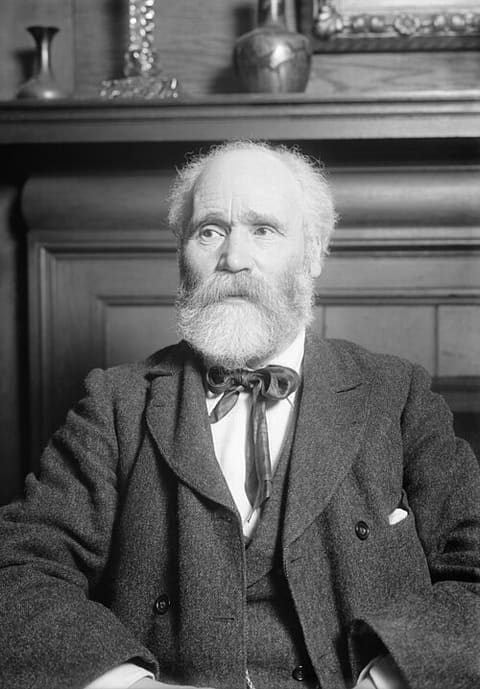

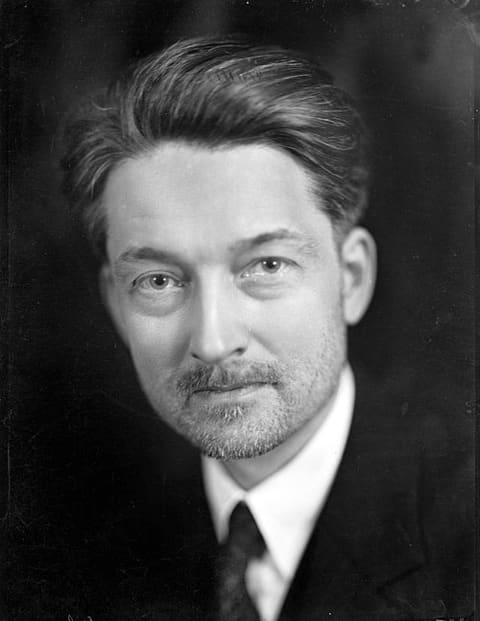


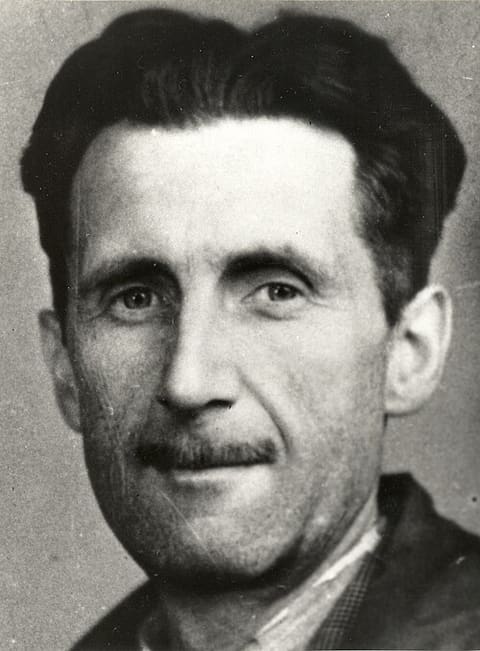
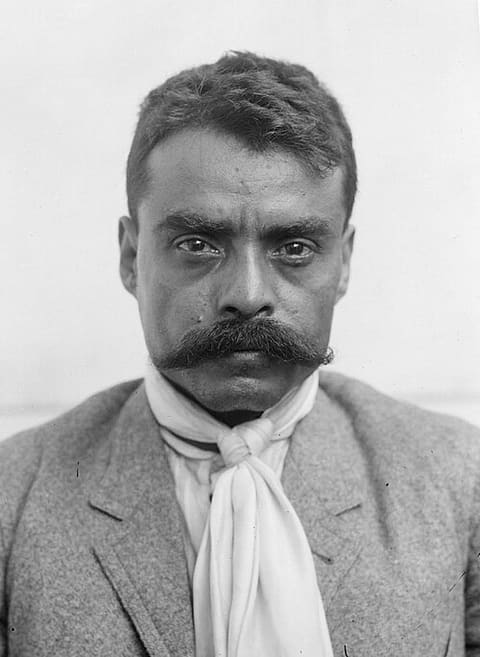
Most distant figures
Scores below are similarity indices out of 100, calculated from catalog coordinates. They do not establish historical influence or endorsement. How the comparison works ↗
Related Doctrines
Scores below are similarity indices out of 100, calculated from catalog coordinates. They do not establish historical influence or endorsement. How the comparison works ↗
Most compatible among the 257 schools
Centrist current that applies Christian values to democratic politics, defending the social market economy, family, solidarity, and the common good as the foundation of free and pluralist institutions.
Branch that combines the defense of workers and social justice with Christian values, promoting labor rights, solidarity, and social protection within democracy, inspired by the social doctrine of the Church.
Applies the Dharma to politics: Ashoka's righteous king, Schumacher's Buddhist economics, Buddhadasa's Dhammic socialism and Bhutan's Gross National Happiness. It prioritizes nonviolence, moderate consumption, community and harmony with nature.
Most distant ideology
Authoritarian NeoliberalismDireita50.8 / 100