Athenian Democracy
Ideology of the classical polis, advocating direct popular sovereignty through assembly and sortition among equal citizens, while reserving citizenship to a hereditary minority, excluding women, foreigners and slaves.
Home / Ideologies / Athenian Democracy
Ideology of the classical polis, advocating direct popular sovereignty through assembly and sortition among equal citizens, while reserving citizenship to a hereditary minority, excluding women, foreigners and slaves.
EDITORIAL SUMMARY
I want a polis of sovereign assembly and offices by lottery among free citizens, reserving citizenship by blood to the city's men.
Sources below support the specific identity or context claims indicated. They do not validate this profile’s twelve numerical coordinates, its closest matches, or every statement in its description.
A documented source review is still pending for this entry. Treat its description and coordinates as an atlas interpretation.
How to interpret catalog profilesPolitical Axes
These coordinates are editorial interpretations. The two pole scores add to 100; they describe a position in this model, rather than a probability. Read how catalog profiles are interpreted ↗
This position is 48.3 points from the median of the 257 ideology profiles in this collection.
This is the largest distance from this collection’s median across the twelve axes. The collection is not a survey of public opinion.
This position is 0.0 points from this collection’s median.
This is the smallest median distance across the twelve axes; it does not establish a historical or political consensus.
Scores below are similarity indices out of 100, calculated from catalog coordinates. They do not establish historical influence or endorsement. How the comparison works ↗

Athenian statesman and general, Pericles led Athens through its democratic and cultural golden age, expanded popular participation in institutions, funded the Parthenon with the Delian League's treasury, and led the city into the Peloponnesian War.
Closest by facet
Each facet compares three axes: governance (power distribution, representation, civil liberties), culture (integration, religion, social norms), or economy (ownership, coordination, trade). Full-profile similarity compares all twelve.
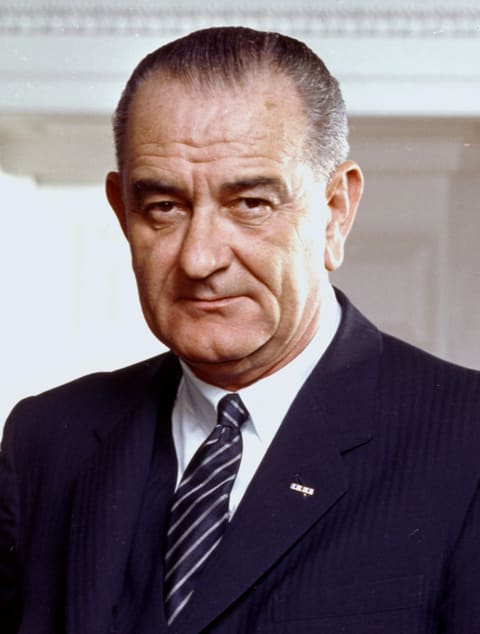


Other nearby figures
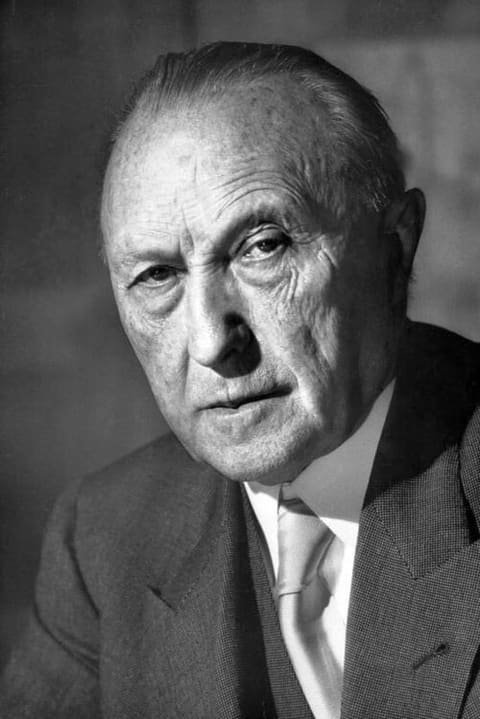

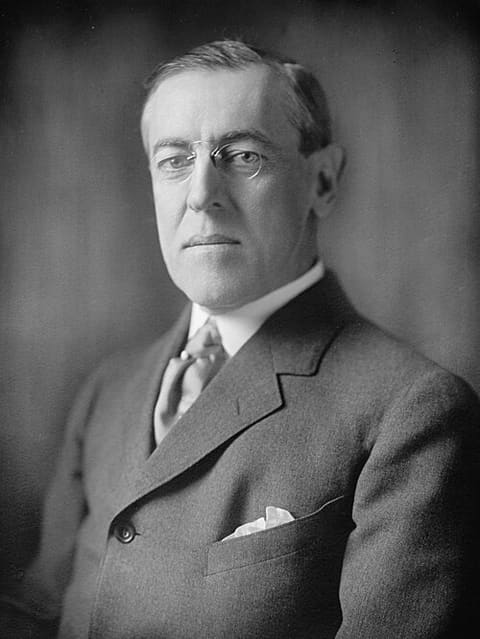


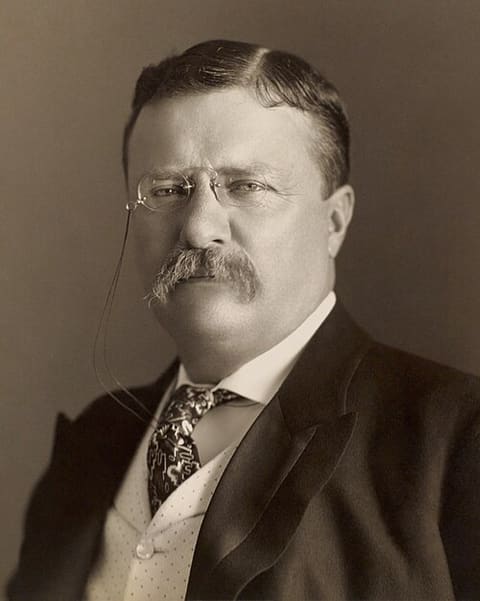
Most distant figures
Scores below are similarity indices out of 100, calculated from catalog coordinates. They do not establish historical influence or endorsement. How the comparison works ↗
Related Doctrines
Scores below are similarity indices out of 100, calculated from catalog coordinates. They do not establish historical influence or endorsement. How the comparison works ↗
Most compatible among the 257 schools
Democratic Party current born with Franklin Roosevelt that joins financial regulation, social security, public works and strong unions with civic patriotism, preserved capitalism and international leadership.
A Jewish national movement founded by Herzl in 1897 that led to Israel in 1948. It spans labor, revisionist and religious currents and today is expressed in a parliamentary democracy with a strong military, the Law of Return and control of the West Bank.
Right-wing current that unites free markets, traditional values, and an interventionist foreign policy, advocating the promotion of democracy and national interests through military force and global leadership.
Most distant ideology
Anarcho-NaturismAnarquismo39.6 / 100