Interventionist Democracy
Foreign policy doctrine associated with the 2002 US strategy. It favours military force and preemptive action against threats, alongside the international promotion of democracy, open markets and US-led alliances.
Home / Ideologies / Interventionist Democracy
Foreign policy doctrine associated with the 2002 US strategy. It favours military force and preemptive action against threats, alongside the international promotion of democracy, open markets and US-led alliances.
EDITORIAL SUMMARY
I want democracies and open markets protected by strong alliances, with preemptive military action against security threats.
Sources below support the specific identity or context claims indicated. They do not validate this profile’s twelve numerical coordinates, its closest matches, or every statement in its description.
A documented source review is still pending for this entry. Treat its description and coordinates as an atlas interpretation.
How to interpret catalog profilesPolitical Axes
These coordinates are editorial interpretations. The two pole scores add to 100; they describe a position in this model, rather than a probability. Read how catalog profiles are interpreted ↗
This position is 49.5 points from the median of the 257 ideology profiles in this collection.
This is the largest distance from this collection’s median across the twelve axes. The collection is not a survey of public opinion.
This position is 2.5 points from this collection’s median.
This is the smallest median distance across the twelve axes; it does not establish a historical or political consensus.
Scores below are similarity indices out of 100, calculated from catalog coordinates. They do not establish historical influence or endorsement. How the comparison works ↗
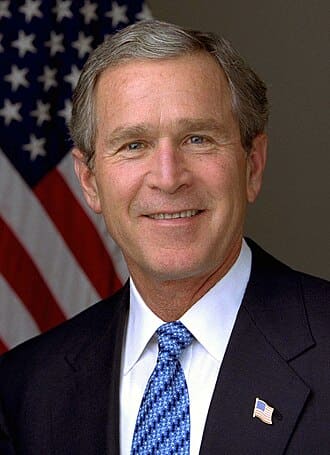
An American statesman, George W. Bush united religious conservatism, tax cuts, and a neoconservative foreign policy, marked by the War on Terror and the invasions of Afghanistan and Iraq.
Closest by facet
Each facet compares three axes: governance (power distribution, representation, civil liberties), culture (integration, religion, social norms), or economy (ownership, coordination, trade). Full-profile similarity compares all twelve.


Other nearby figures

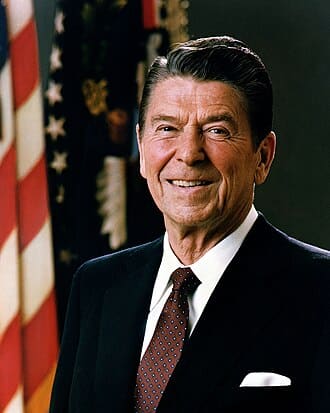

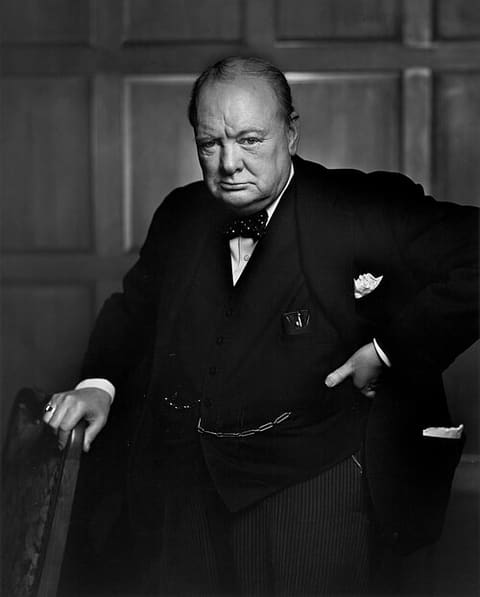
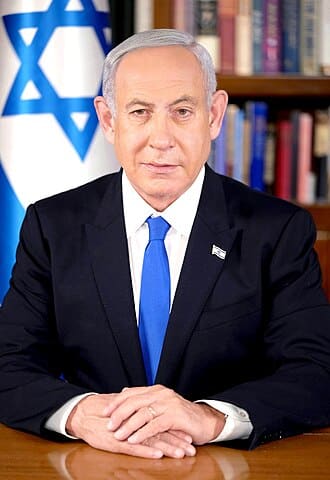
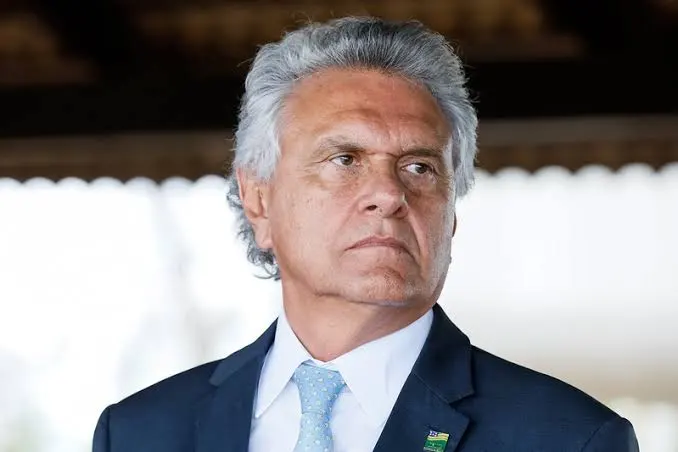
Most distant figures
Scores below are similarity indices out of 100, calculated from catalog coordinates. They do not establish historical influence or endorsement. How the comparison works ↗
Related Doctrines
Scores below are similarity indices out of 100, calculated from catalog coordinates. They do not establish historical influence or endorsement. How the comparison works ↗
Most compatible among the 257 schools
Right-wing current that unites free markets, traditional values, and an interventionist foreign policy, advocating the promotion of democracy and national interests through military force and global leadership.
Right-wing current that combines free markets, free trade, and limited government with strong national identity, cultural assimilation, traditional and religious values, and a robust military.
Geopolitical doctrine of the alliance between the US, Canada and Europe around NATO and the EU, which backs the alliance's eastward expansion and the use of Western military power to spread liberal democracy and free markets against Russia and China.
Most distant ideology
CommunalismAnarquismo39.1 / 100