Conservative Liberalism
Synthesis that unites free markets and economic freedoms with the appreciation of tradition, order, and institutions, defending prudent change and social stability within the framework of liberal democracy.
Home / Ideologies / Conservative Liberalism
Synthesis that unites free markets and economic freedoms with the appreciation of tradition, order, and institutions, defending prudent change and social stability within the framework of liberal democracy.
EDITORIAL SUMMARY
I want a society that unites the free market with tradition and institutions, changing prudently within the frame of liberal democracy.
Sources below support the specific identity or context claims indicated. They do not validate this profile’s twelve numerical coordinates, its closest matches, or every statement in its description.
A documented source review is still pending for this entry. Treat its description and coordinates as an atlas interpretation.
How to interpret catalog profilesPolitical Axes
These coordinates are editorial interpretations. The two pole scores add to 100; they describe a position in this model, rather than a probability. Read how catalog profiles are interpreted ↗
This position is 47.5 points from the median of the 257 ideology profiles in this collection.
This is the largest distance from this collection’s median across the twelve axes. The collection is not a survey of public opinion.
This position is 6.2 points from this collection’s median.
This is the smallest median distance across the twelve axes; it does not establish a historical or political consensus.
Scores below are similarity indices out of 100, calculated from catalog coordinates. They do not establish historical influence or endorsement. How the comparison works ↗

A Brazilian businessman and political activist, he founded the Free Brazil Movement (MBL) in 2014 and has chaired the Mission party since 2025 on a platform he sums up as 'Milei in form, Bukele in substance,' running for the Brazilian presidency in 2026.
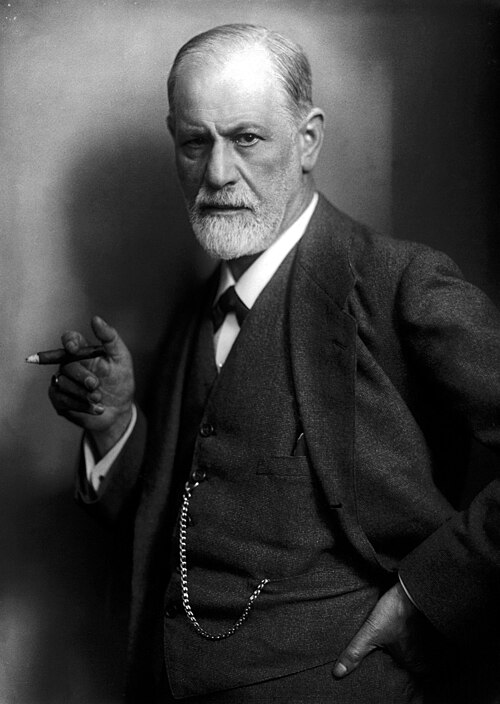
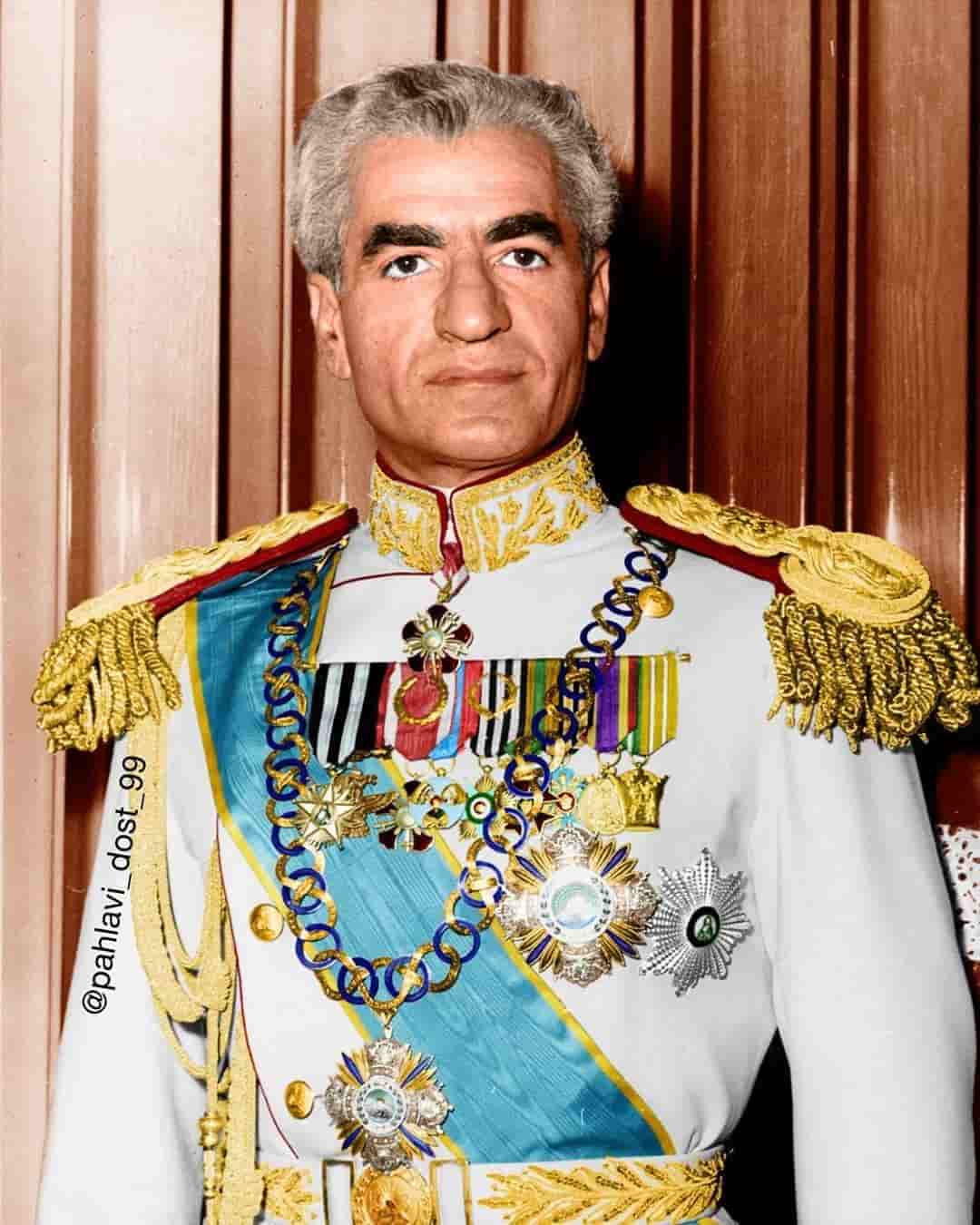
Closest by facet
Each facet compares three axes: governance (power distribution, representation, civil liberties), culture (integration, religion, social norms), or economy (ownership, coordination, trade). Full-profile similarity compares all twelve.

Other nearby figures
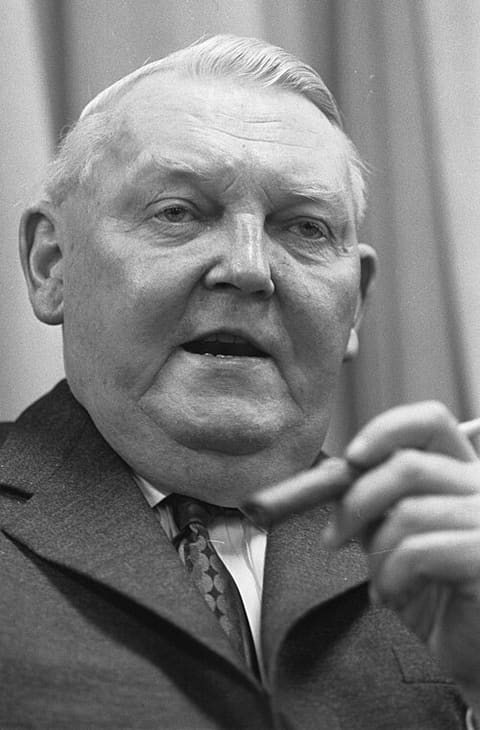


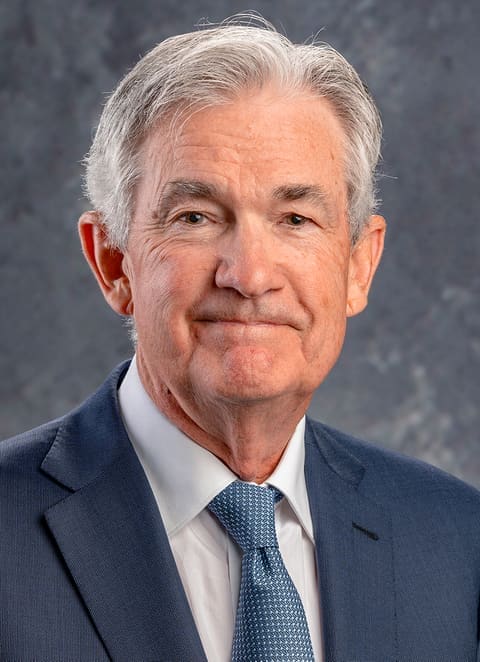
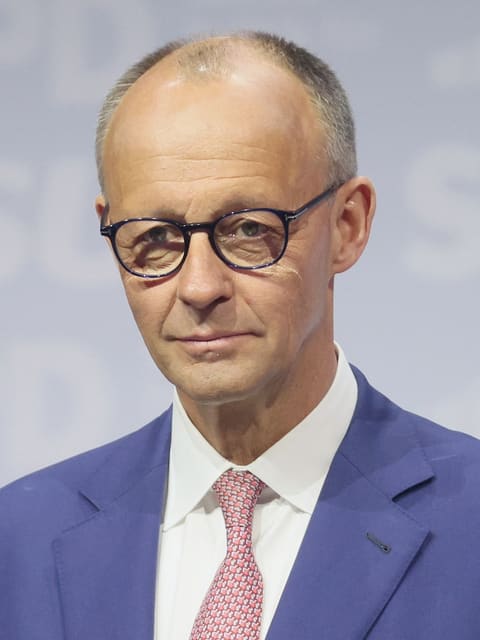
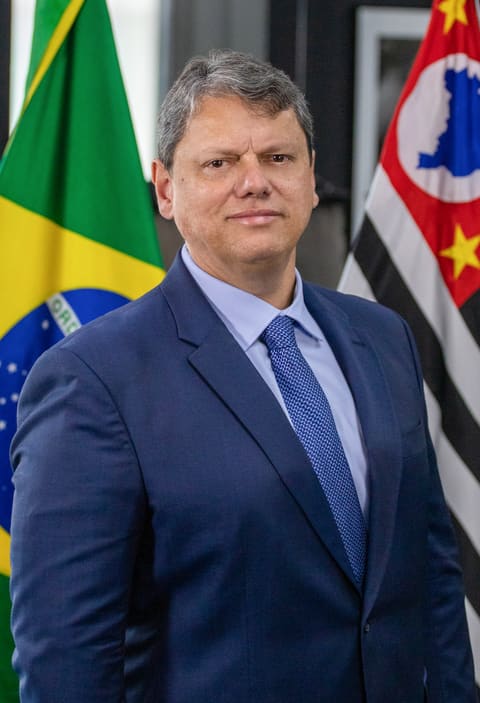

Most distant figures
Scores below are similarity indices out of 100, calculated from catalog coordinates. They do not establish historical influence or endorsement. How the comparison works ↗
Related Doctrines
Scores below are similarity indices out of 100, calculated from catalog coordinates. They do not establish historical influence or endorsement. How the comparison works ↗
Most compatible among the 257 schools
Pragmatic branch that prioritizes fiscal adjustment, economic stability, and governability through broad coalitions, accepting market reforms and political concessions in the name of short- and medium-term results.
The East Asian Tiger model (Singapore, South Korea, Taiwan, Hong Kong): champions free markets, foreign trade and private enterprise as engines of growth, paired with an active technocratic state that plans infrastructure, education and strategic industrialization, stopping short of closed protectionism or hard authoritarian control.
Right-wing current that combines free markets, free trade, and limited government with strong national identity, cultural assimilation, traditional and religious values, and a robust military.
Most distant ideology
Pol Pot SocialismEsquerda Radical47.1 / 100