Mercantilism
Doctrine combining free enterprise and competition in the domestic market with an external tariff wall, subsidies for infant industry, a national bank, public infrastructure and trade surplus as a source of national power.
Home / Ideologies / Mercantilism
Doctrine combining free enterprise and competition in the domestic market with an external tariff wall, subsidies for infant industry, a national bank, public infrastructure and trade surplus as a source of national power.
EDITORIAL SUMMARY
I want free competition at home protected by an external tariff wall, with a national bank and subsidies for infant industry generating a surplus.
Sources below support the specific identity or context claims indicated. They do not validate this profile’s twelve numerical coordinates, its closest matches, or every statement in its description.
A documented source review is still pending for this entry. Treat its description and coordinates as an atlas interpretation.
How to interpret catalog profilesPolitical Axes
These coordinates are editorial interpretations. The two pole scores add to 100; they describe a position in this model, rather than a probability. Read how catalog profiles are interpreted ↗
This position is 29.5 points from the median of the 257 ideology profiles in this collection.
This is the largest distance from this collection’s median across the twelve axes. The collection is not a survey of public opinion.
This position is 5.0 points from this collection’s median.
This is the smallest median distance across the twelve axes; it does not establish a historical or political consensus.
Scores below are similarity indices out of 100, calculated from catalog coordinates. They do not establish historical influence or endorsement. How the comparison works ↗
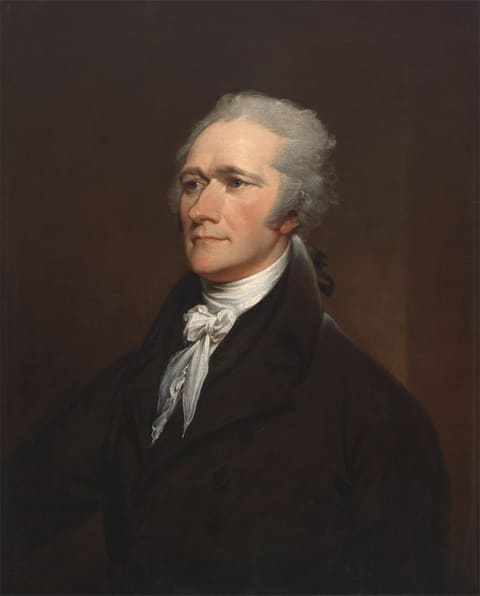
A founder of the United States, Hamilton championed strong federal government, robust public finances, a national bank, and industrialization, combining constitutional republicanism with modernizing economic nationalism.
Closest by facet
Each facet compares three axes: governance (power distribution, representation, civil liberties), culture (integration, religion, social norms), or economy (ownership, coordination, trade). Full-profile similarity compares all twelve.



Other nearby figures
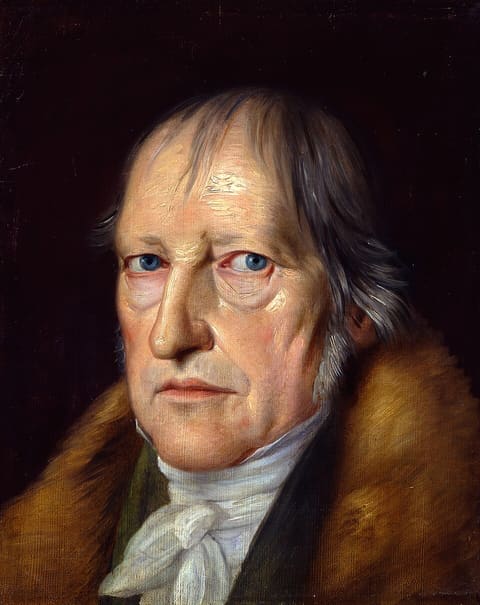
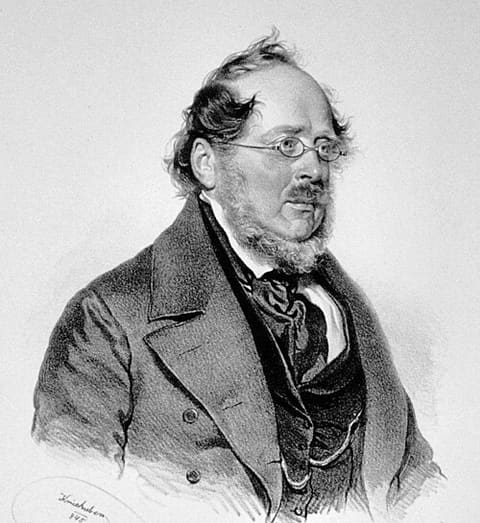
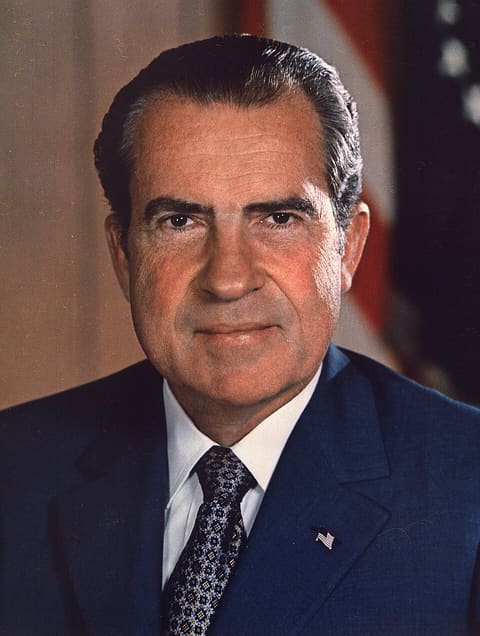
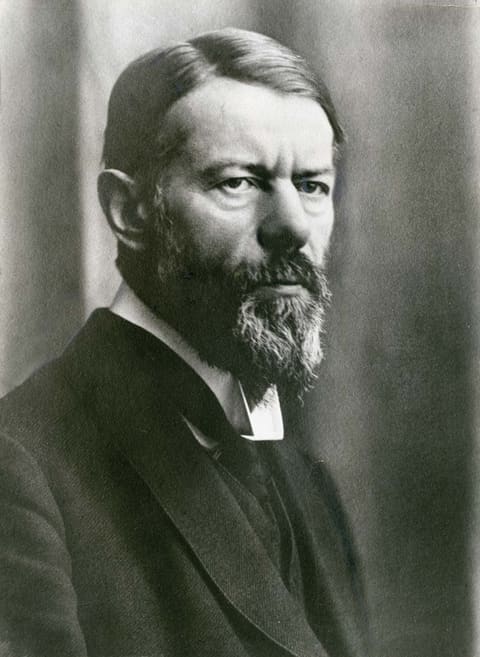
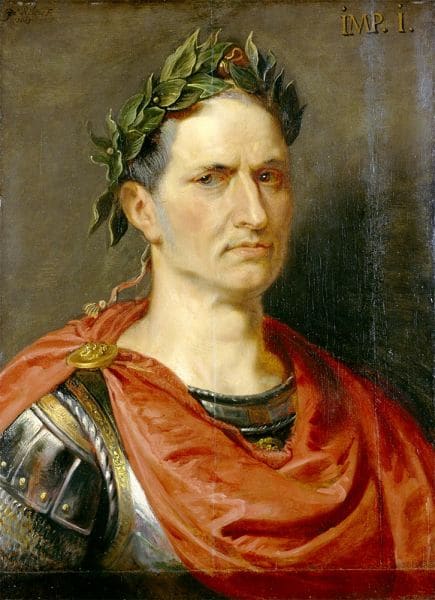

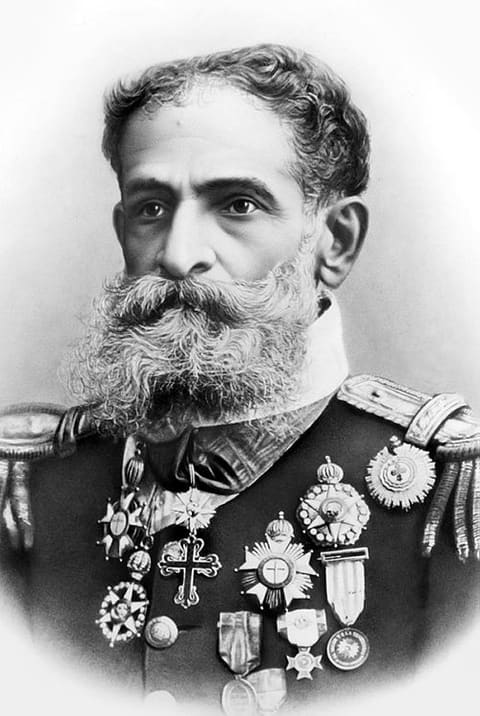
Most distant figures
Scores below are similarity indices out of 100, calculated from catalog coordinates. They do not establish historical influence or endorsement. How the comparison works ↗
Related Doctrines
Scores below are similarity indices out of 100, calculated from catalog coordinates. They do not establish historical influence or endorsement. How the comparison works ↗
Most compatible among the 257 schools
Ideology that places the nation as the central value, defending its sovereignty, unity, and identity, and prioritizing the interests of the people and the nation-state over external influences and globalism.
Conservative branch that defends order, tradition, and institutions without grounding them in religion, supporting cultural values and social stability with secular, historical, and pragmatic arguments.
Thoroughly secular conservatism that rejects faith and clergy while defending hierarchy, family, authority, nation and inherited customs as civilizational goods, treating traditional morality as a social necessity rather than a divine commandment.
Most distant ideology
Anarcho-PacifismAnarquismo44.3 / 100