Absolute Monarchism
Defense of monarchy with unlimited power concentrated in the sovereign, legitimized by tradition or divine right, without a constitution or parliament to restrict the king's authority over state and society.
Home / Ideologies / Absolute Monarchism
Defense of monarchy with unlimited power concentrated in the sovereign, legitimized by tradition or divine right, without a constitution or parliament to restrict the king's authority over state and society.
EDITORIAL SUMMARY
I want a unitary realm ruled by a sovereign of divine right, with no parliament or constitution limiting the crown's authority.
Sources below support the specific identity or context claims indicated. They do not validate this profile’s twelve numerical coordinates, its closest matches, or every statement in its description.
A documented source review is still pending for this entry. Treat its description and coordinates as an atlas interpretation.
How to interpret catalog profilesPolitical Axes
These coordinates are editorial interpretations. The two pole scores add to 100; they describe a position in this model, rather than a probability. Read how catalog profiles are interpreted ↗
This position is 53.8 points from the median of the 257 ideology profiles in this collection.
This is the largest distance from this collection’s median across the twelve axes. The collection is not a survey of public opinion.
This position is 1.3 points from this collection’s median.
This is the smallest median distance across the twelve axes; it does not establish a historical or political consensus.
Scores below are similarity indices out of 100, calculated from catalog coordinates. They do not establish historical influence or endorsement. How the comparison works ↗
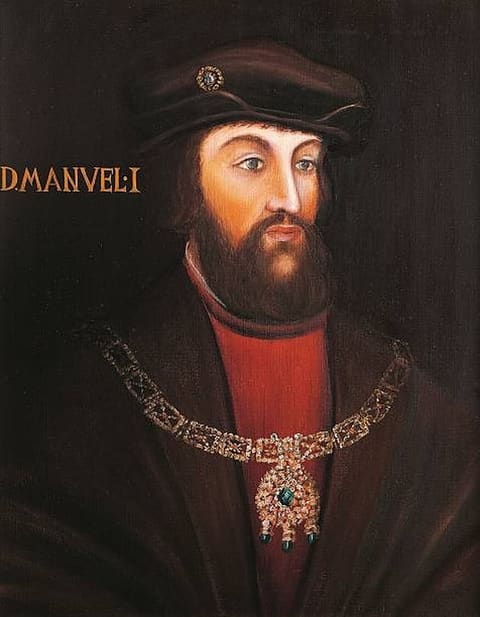
Manuel I reigned at the height of Portuguese maritime expansion, when Vasco da Gama reached India and Cabral reached Brazil, centralizing the spice trade through the Casa da India.
Closest by facet
Each facet compares three axes: governance (power distribution, representation, civil liberties), culture (integration, religion, social norms), or economy (ownership, coordination, trade). Full-profile similarity compares all twelve.
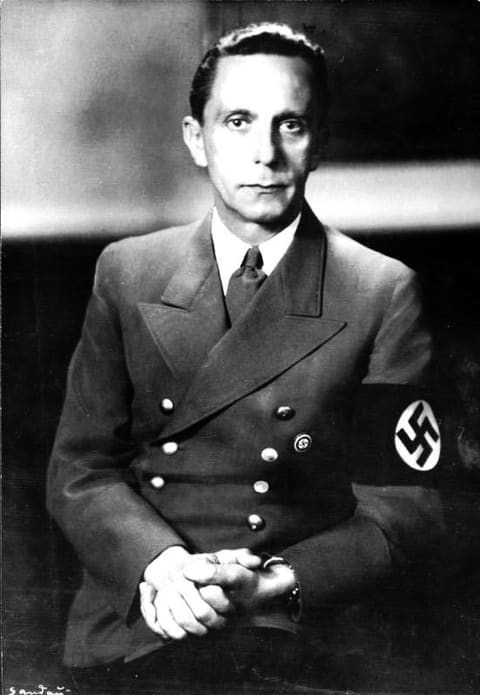
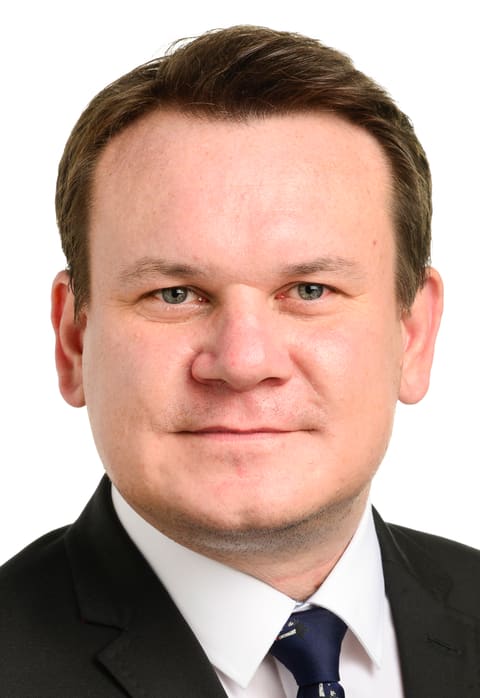
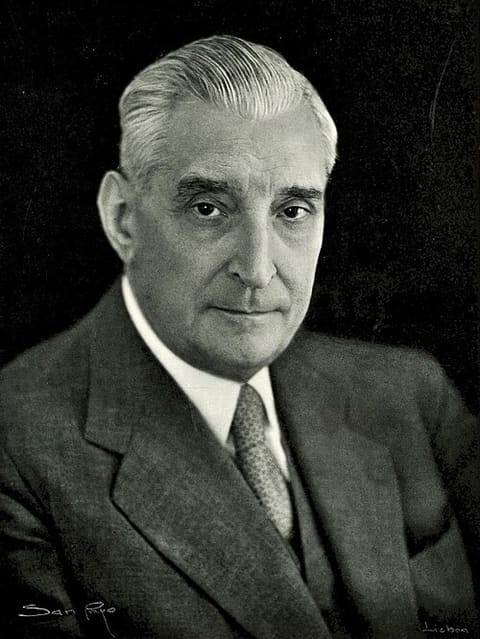
Other nearby figures
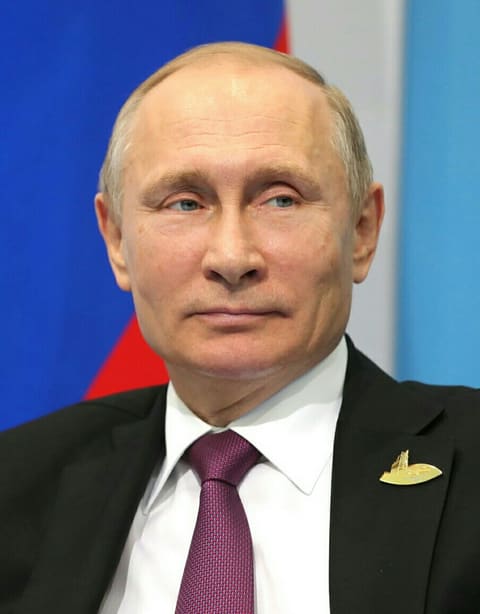
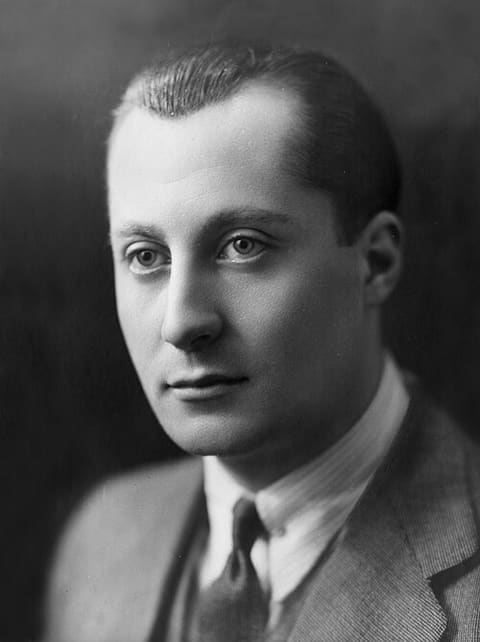
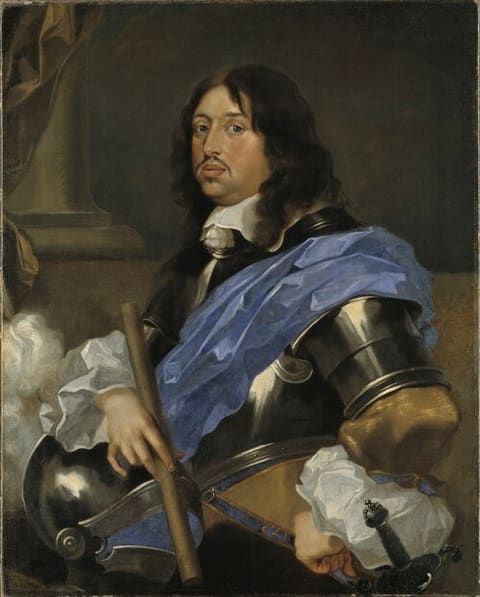
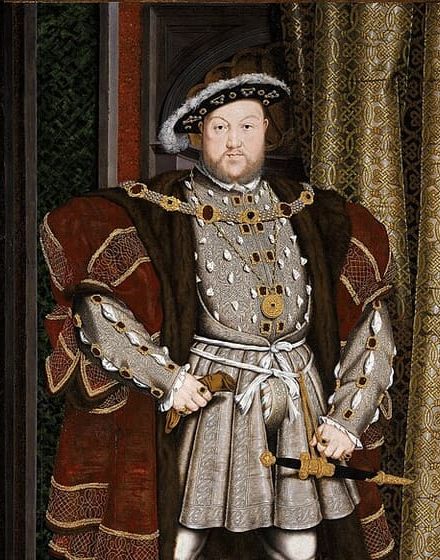
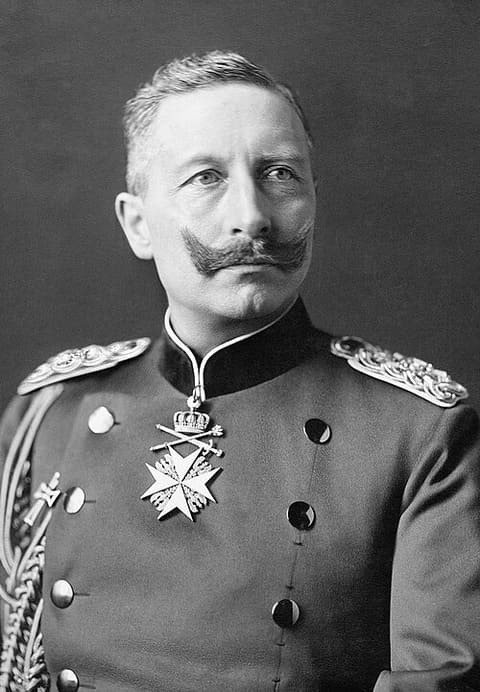
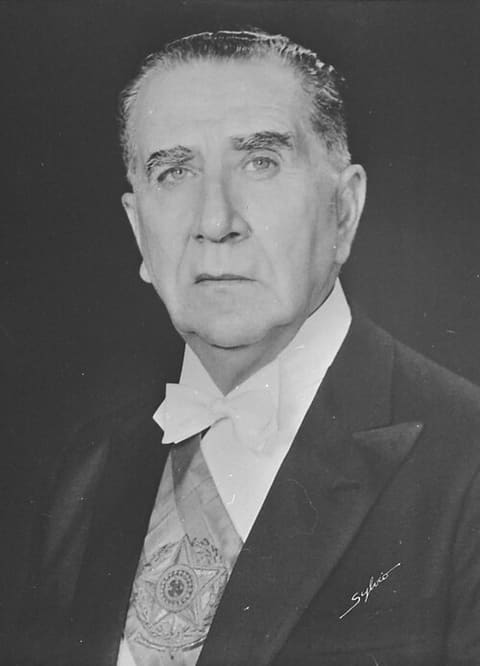
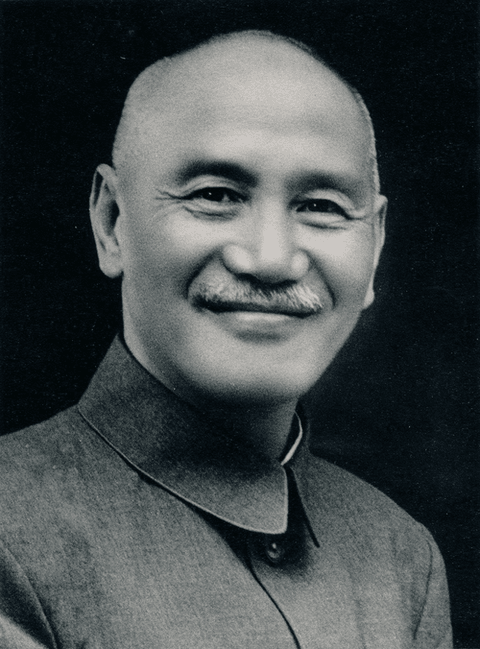
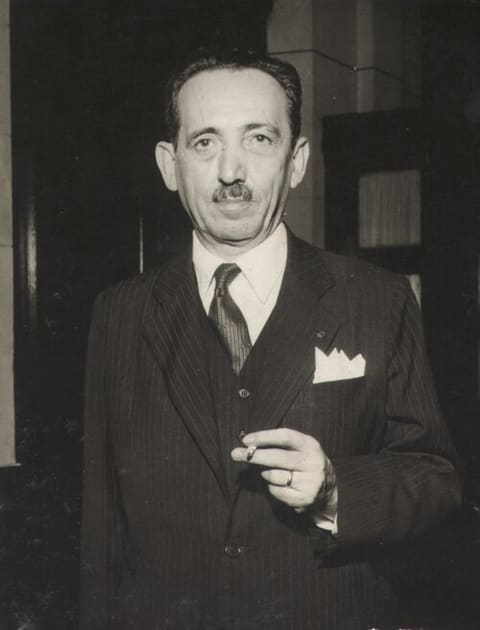
Most distant figures
Scores below are similarity indices out of 100, calculated from catalog coordinates. They do not establish historical influence or endorsement. How the comparison works ↗
Related Doctrines
Scores below are similarity indices out of 100, calculated from catalog coordinates. They do not establish historical influence or endorsement. How the comparison works ↗
Most compatible among the 257 schools
Current that preserves order, tradition, and hierarchy through a strong state, restricting freedoms and political participation in the name of social stability, morality, religion, and established authority.
Project that seeks to organize state and society according to the strict interpretation of a religious doctrine, subordinating laws, customs, and politics to sacred precepts and rejecting modern secularism.
Conception that defines the nation by common origin, language, and ancestry, advocating a state of the dominant ethnicity and the preservation of its identity, with a tendency to exclude minorities and immigrants from the national body.
Most distant ideology
Techno-AnarchismAnarquismo27.7 / 100