Buddhist Nationalism
A current fusing ethnic identity and Theravada Buddhist faith, seeing the nation as guardian of the Dharma threatened by minorities, as in Sinhalese nationalism in Sri Lanka and the Ma Ba Tha and 969 monk movements in Myanmar.
Home / Ideologies / Buddhist Nationalism
A current fusing ethnic identity and Theravada Buddhist faith, seeing the nation as guardian of the Dharma threatened by minorities, as in Sinhalese nationalism in Sri Lanka and the Ma Ba Tha and 969 monk movements in Myanmar.
EDITORIAL SUMMARY
I want a Buddhist nation that protects the Dharma and the majority, with influential monks, strong leaders, and minorities under watch.
Sources below support the specific identity or context claims indicated. They do not validate this profile’s twelve numerical coordinates, its closest matches, or every statement in its description.
A documented source review is still pending for this entry. Treat its description and coordinates as an atlas interpretation.
How to interpret catalog profilesPolitical Axes
These coordinates are editorial interpretations. The two pole scores add to 100; they describe a position in this model, rather than a probability. Read how catalog profiles are interpreted ↗
This position is 53.1 points from the median of the 257 ideology profiles in this collection.
This is the largest distance from this collection’s median across the twelve axes. The collection is not a survey of public opinion.
This position is 0.9 points from this collection’s median.
This is the smallest median distance across the twelve axes; it does not establish a historical or political consensus.
Scores below are similarity indices out of 100, calculated from catalog coordinates. They do not establish historical influence or endorsement. How the comparison works ↗
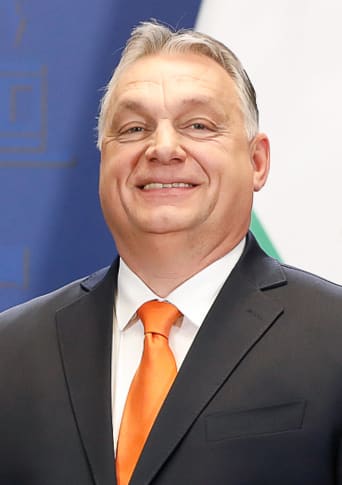
Hungary's prime minister from 2010 to 2026, Orbán built so-called illiberal democracy, combining nationalism, Christian conservatism, sovereignty vis-à-vis the EU and control over media and courts; defeated in 2026, he leads Fidesz in opposition.
Closest by facet
Each facet compares three axes: governance (power distribution, representation, civil liberties), culture (integration, religion, social norms), or economy (ownership, coordination, trade). Full-profile similarity compares all twelve.
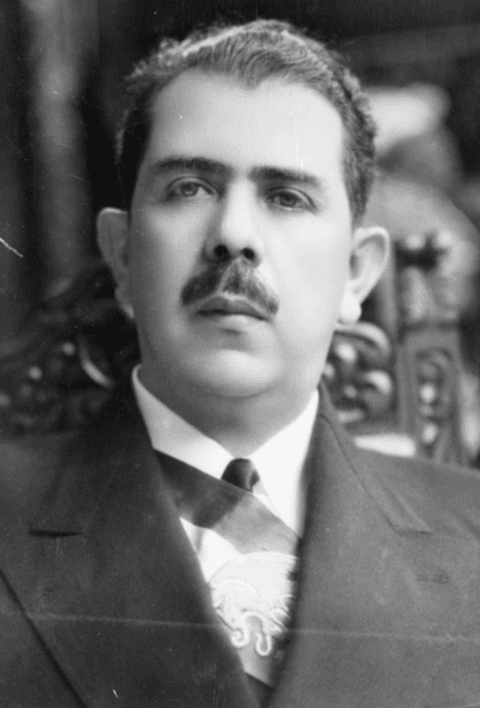
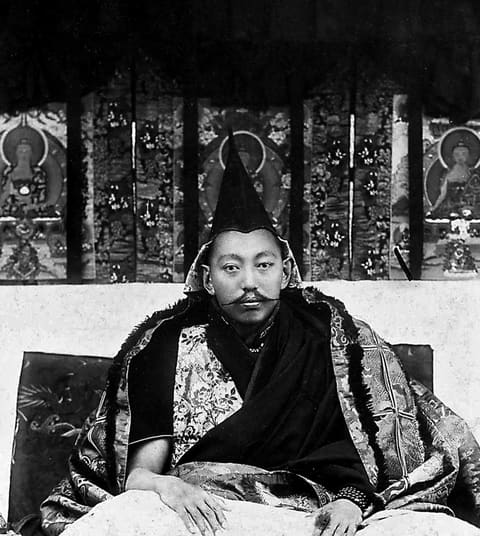
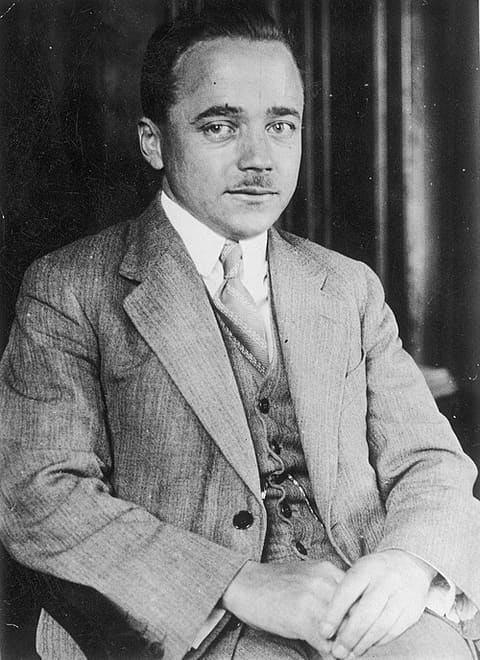
Other nearby figures

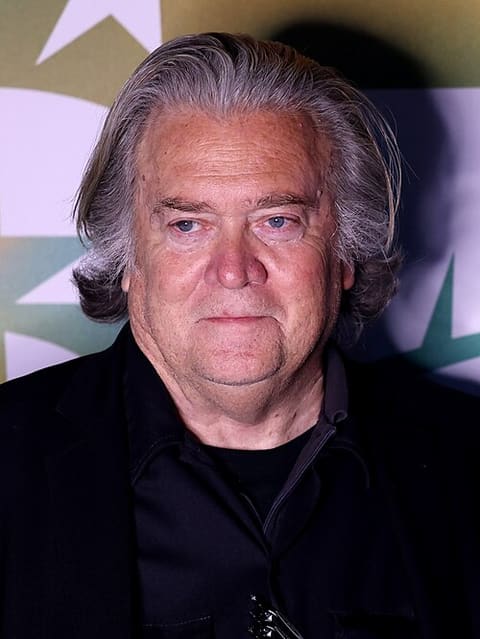
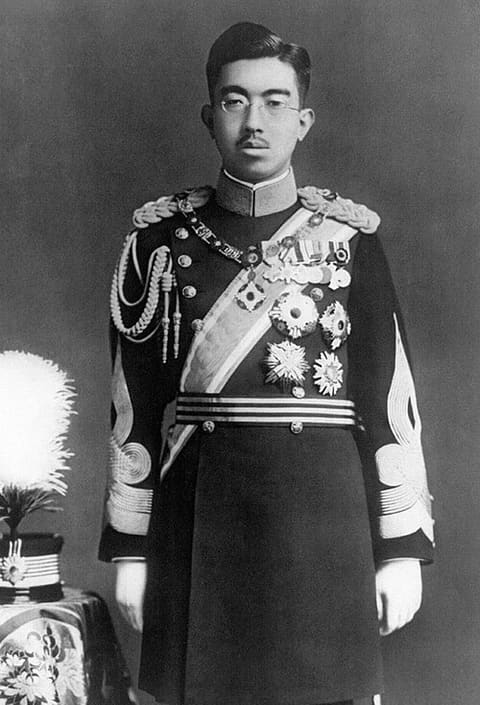
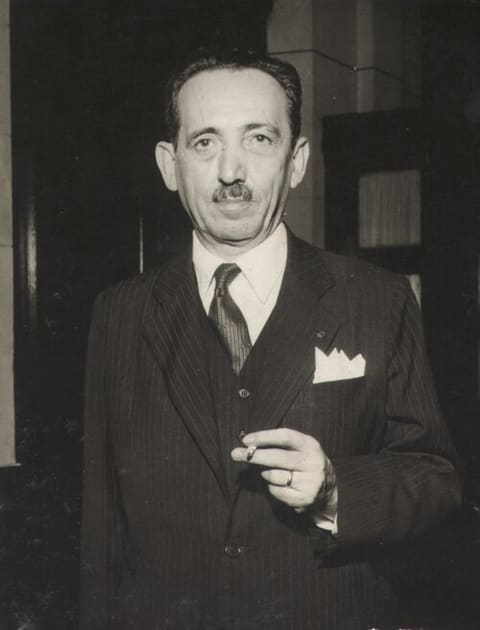
Most distant figures
Scores below are similarity indices out of 100, calculated from catalog coordinates. They do not establish historical influence or endorsement. How the comparison works ↗
Related Doctrines
Scores below are similarity indices out of 100, calculated from catalog coordinates. They do not establish historical influence or endorsement. How the comparison works ↗
Most compatible among the 257 schools
Current that unites traditional values, family, and religion with strong cultural nationalism, defending sovereignty, borders, and the people's identity within democracy, with clear distrust of globalism.
Current that mobilizes the people against political and cultural elites, combining nationalism, immigration restriction, traditional values, public religion, strong security, and anti-establishment economic pragmatism around personalist leaders.
Government ruled by the Torah and halakha, with rabbinical courts, judges or kings under religious authority, Judaism as the state religion and rejection of assimilation, inspired by the biblical kingdoms of Israel and Judah.
Most distant ideology
Techno-AnarchismAnarquismo38.1 / 100