Technocracy
Model of government in which decisions are made by experts and technical, scientific criteria, entrusting engineers, economists, and scientists with the rational and efficient management of the state and the economy.
Home / Ideologies / Technocracy
Model of government in which decisions are made by experts and technical, scientific criteria, entrusting engineers, economists, and scientists with the rational and efficient management of the state and the economy.
EDITORIAL SUMMARY
I want a society run by experts, with technical decisions replacing political bargaining and a planned economy guided by scientific criteria.
Sources below support the specific identity or context claims indicated. They do not validate this profile’s twelve numerical coordinates, its closest matches, or every statement in its description.
A documented source review is still pending for this entry. Treat its description and coordinates as an atlas interpretation.
How to interpret catalog profilesPolitical Axes
These coordinates are editorial interpretations. The two pole scores add to 100; they describe a position in this model, rather than a probability. Read how catalog profiles are interpreted ↗
This position is 23.7 points from the median of the 257 ideology profiles in this collection.
This is the largest distance from this collection’s median across the twelve axes. The collection is not a survey of public opinion.
This position is 1.7 points from this collection’s median.
This is the smallest median distance across the twelve axes; it does not establish a historical or political consensus.
Scores below are similarity indices out of 100, calculated from catalog coordinates. They do not establish historical influence or endorsement. How the comparison works ↗

British independent scientist, Lovelock formulated the Gaia hypothesis, which sees Earth as a self-regulating system, warned about global warming, broke with environmentalism by defending nuclear power and predicted in “Novacene” that cyborgs would succeed humanity.
Closest by facet
Each facet compares three axes: governance (power distribution, representation, civil liberties), culture (integration, religion, social norms), or economy (ownership, coordination, trade). Full-profile similarity compares all twelve.

Other nearby figures

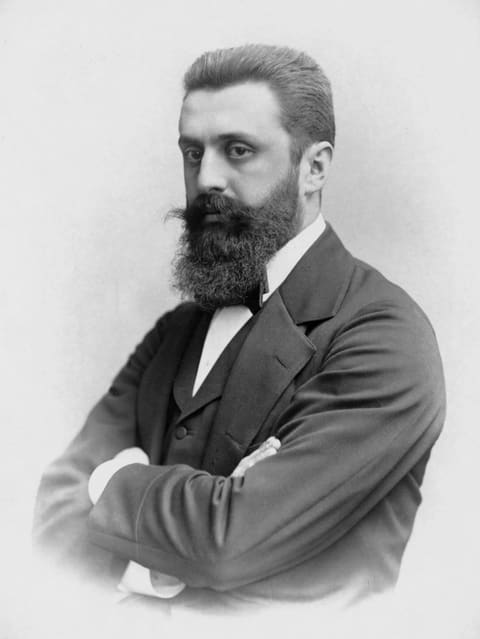
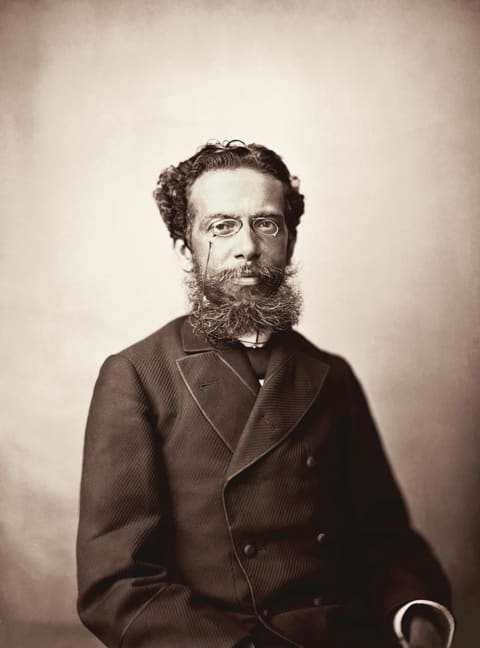
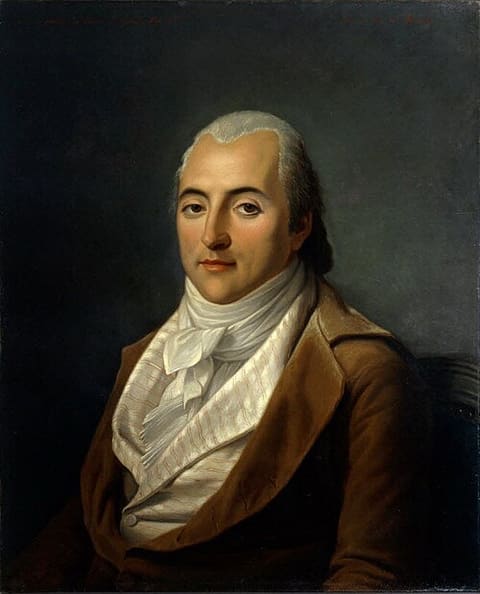


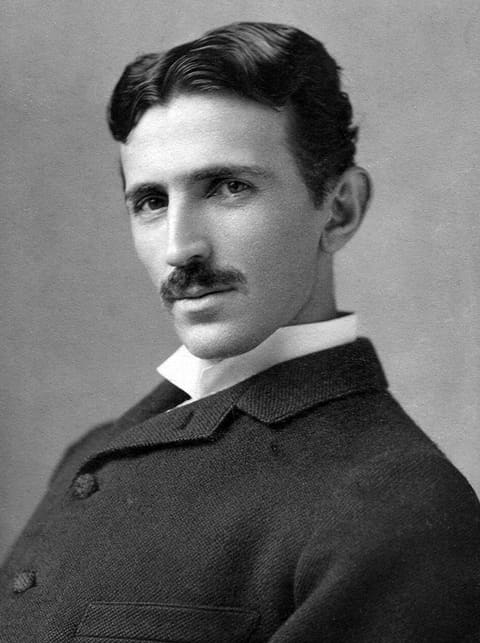
Most distant figures
Scores below are similarity indices out of 100, calculated from catalog coordinates. They do not establish historical influence or endorsement. How the comparison works ↗
Related Doctrines
Scores below are similarity indices out of 100, calculated from catalog coordinates. They do not establish historical influence or endorsement. How the comparison works ↗
Most compatible among the 257 schools
Current inspired by John Maynard Keynes that accepts markets and liberal democracy but gives the state the task of managing demand, with countercyclical public spending, full employment as a goal and a mixed economy.
Political stance that judges proposals by the practical results they produce rather than fidelity to an ideological dogma, combining market measures, regulation, and social policy according to evidence and each problem's context.
Right-wing progressive branch that unites capitalism and the cult of technological progress with a socially progressive, pragmatic, and secular culture, entrusting society's direction to a technical elite rather than mass democracy.
Most distant ideology
Clerical FascismTerceira Posição54.6 / 100