Traditionalism
A current of René Guénon and Julius Evola that sees modernity as the decay of a universal spiritual tradition, defending sacred hierarchy, castes, initiatory order and the primacy of spirit over economics and mass politics.
Home / Ideologies / Traditionalism
A current of René Guénon and Julius Evola that sees modernity as the decay of a universal spiritual tradition, defending sacred hierarchy, castes, initiatory order and the primacy of spirit over economics and mass politics.
EDITORIAL SUMMARY
I want a sacred hierarchical order of castes and initiates that puts spirit above money and mass politics, against modernity.
Sources below support the specific identity or context claims indicated. They do not validate this profile’s twelve numerical coordinates, its closest matches, or every statement in its description.
A documented source review is still pending for this entry. Treat its description and coordinates as an atlas interpretation.
How to interpret catalog profilesPolitical Axes
These coordinates are editorial interpretations. The two pole scores add to 100; they describe a position in this model, rather than a probability. Read how catalog profiles are interpreted ↗
This position is 51.3 points from the median of the 257 ideology profiles in this collection.
This is the largest distance from this collection’s median across the twelve axes. The collection is not a survey of public opinion.
This position is 1.7 points from this collection’s median.
This is the smallest median distance across the twelve axes; it does not establish a historical or political consensus.
Scores below are similarity indices out of 100, calculated from catalog coordinates. They do not establish historical influence or endorsement. How the comparison works ↗
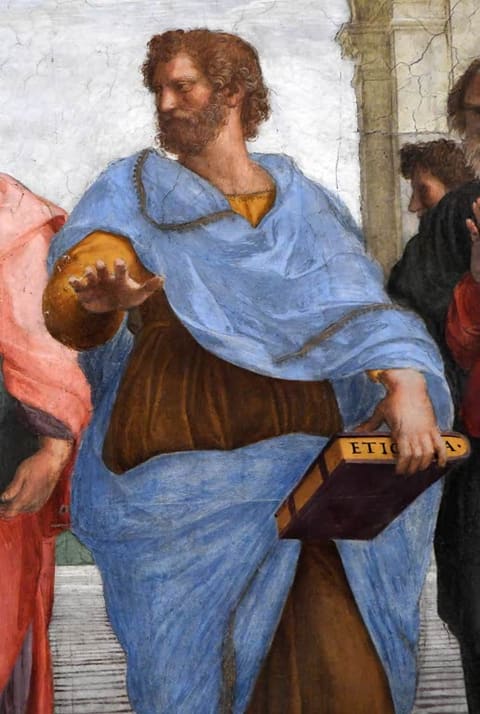
A Greek philosopher, Aristotle formulated a political vision centered on the polis, civic virtue, and mixed government, defending moderate private property, natural hierarchy, and moral education as the foundations of common life.
Closest by facet
Each facet compares three axes: governance (power distribution, representation, civil liberties), culture (integration, religion, social norms), or economy (ownership, coordination, trade). Full-profile similarity compares all twelve.

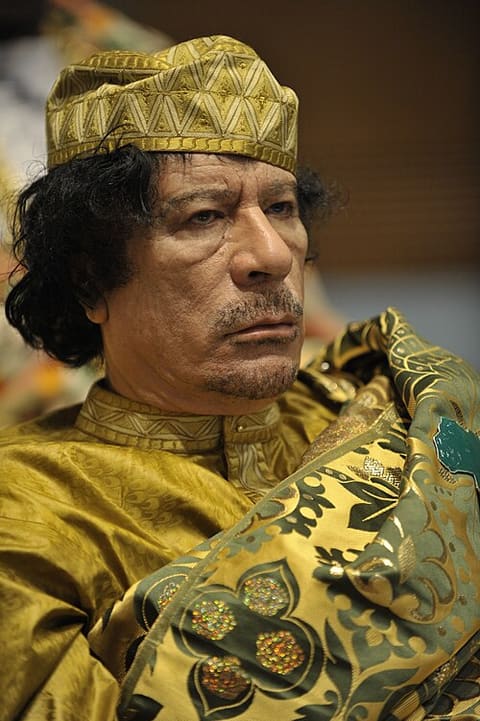
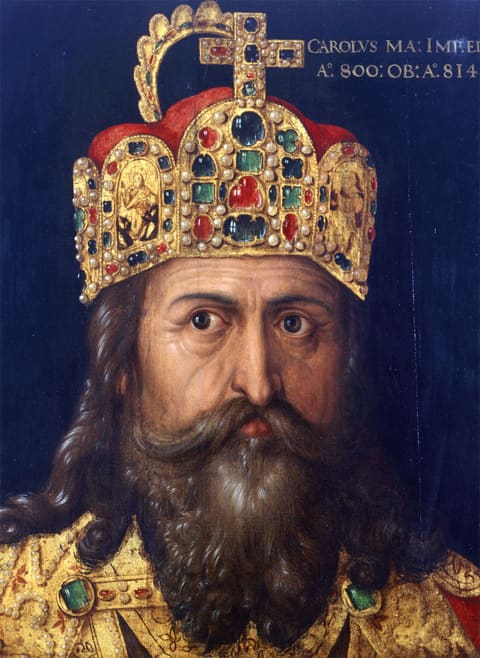
Other nearby figures
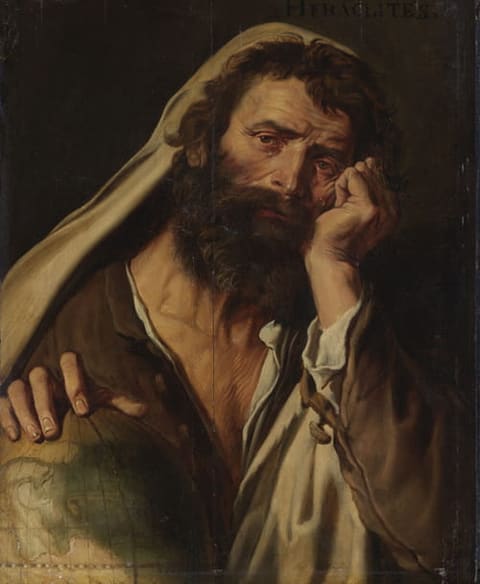
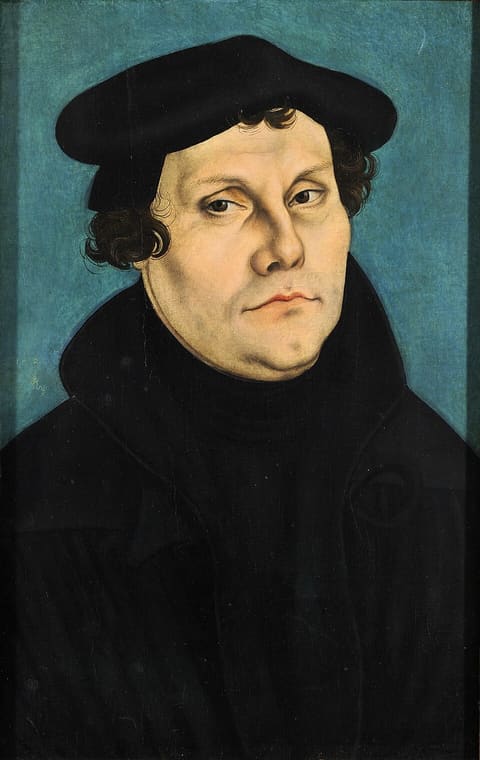
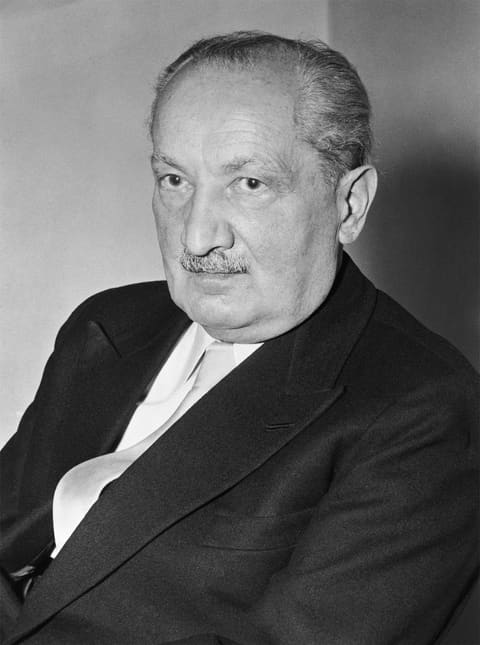
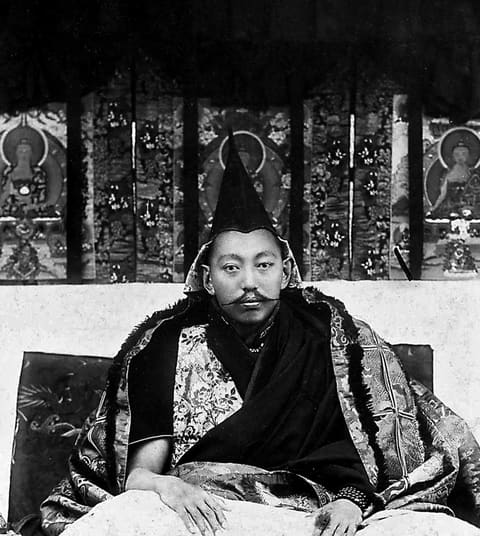
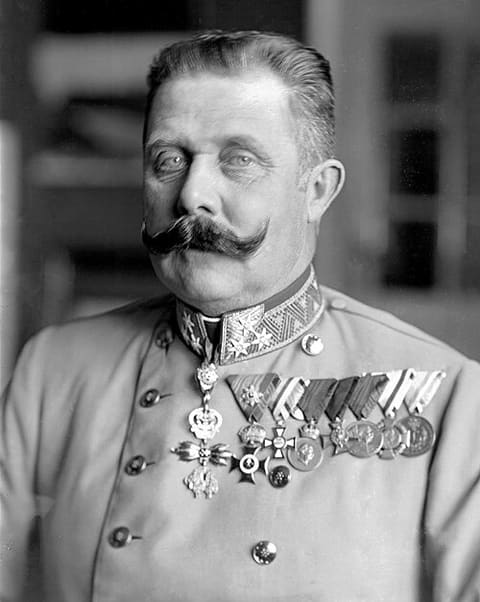
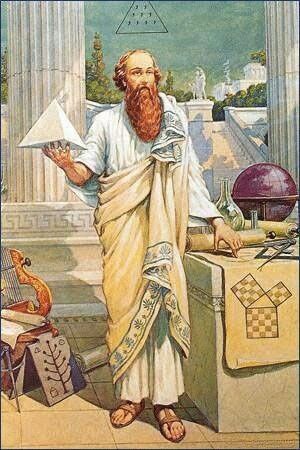
Most distant figures
Scores below are similarity indices out of 100, calculated from catalog coordinates. They do not establish historical influence or endorsement. How the comparison works ↗
Related Doctrines
Scores below are similarity indices out of 100, calculated from catalog coordinates. They do not establish historical influence or endorsement. How the comparison works ↗
Most compatible among the 257 schools
Aristotle's political philosophy, defending a mixed constitution of monarchical, aristocratic and popular elements to avoid both tyranny and radical democracy, reserving full citizenship for those with virtue, property and the education to deliberate.
A Spanish current of counter-revolutionary traditionalism, born in the 19th-century Carlist Wars under the motto God, Fatherland, Fueros and King, advocating a legitimist Catholic monarchy, religious unity, regional fueros and an organic society against liberalism.
Current that fuses radical ecology, authoritarianism, and organic nationalism, defending population control, coercive environmental preservation, and the subordination of individual freedoms to the survival of the national community.
Most distant ideology
Techno-CommunismAnarquismo43.9 / 100