Support for monarchy within a constitutional system that defines and limits the sovereign’s powers. The royal role can be mainly ceremonial or include substantial powers alongside an elected legislature and government; arrangements differ between countries.
I favor a monarchy with powers defined and limited by a constitutional system.
Written for this atlas as a summary of Constitutional Monarchism
Political conceptSources & interpretation+
Identity & context
Source checkedReviewed
Description
Source checkedReviewed
Political coordinates
Editorial estimates · not independently verified
Sources below support the specific identity or context claims indicated. They do not validate this profile’s editorial category labels, twelve numerical coordinates, closest matches, or every statement in its description.
Review statuses describe scoped, agent-assisted checks against cited sources. They are not an independent human expert certification.
In the United Kingdom, the monarch is head of state within a constitutional monarchy and performs constitutional and representational duties. This is one national example, not a definition of every constitutional monarchy.
UK Parliament consists of the House of Commons, House of Lords, and Crown; the Crown has a constitutional and broadly ceremonial role, including Royal Assent.
Articles 41–42 identify the king as Commander of the Faithful and head of state; Article 47 provides appointment of the head of government from the party leading House of Representatives elections.
Articles 60–62 establish two parliamentary chambers and direct election of the House of Representatives. This verifies the formal institution, not electoral practice.
The UK and Morocco illustrate different constitutional arrangements. These institutional sources do not establish that every constitutional monarchy is democratic in practice, or validate this entry’s coordinate set.
These coordinates are editorial interpretations. The two pole scores add to 100; they describe a position in this model, rather than a probability. Read how catalog profiles are interpreted →
Distribution of power
Leaning · Unitary
Federal31.2%
Unitary68.8%
Representation
Leaning · Democracy
Democracy66.2%
Autocracy33.8%
Civil liberties
Near midpoint
Security45%
Liberty55%
Cultural integration
Near midpoint
Assimilation45%
Multicultural55%
Conflict resolution
Leaning · Negotiation
Military force31.2%
Negotiation68.8%
Foreign involvement
Near midpoint
Non-Intervention52.5%
Interventionist47.5%
Ownership
Near midpoint
Public56.2%
Private43.8%
Economic coordination
Near midpoint
State direction47.5%
Markets52.5%
International trade
Near midpoint
Protectionism53.8%
Free trade46.2%
Religion & state
Near midpoint
Secular55%
Religious45%
Social norms
Leaning · Traditionalist
Progressive37.5%
Traditionalist62.5%
Technology & precaution
Leaning · Acceleration
Acceleration57.5%
Ecologist42.5%
What distinguishes Constitutional Monarchism
Largest median distance
Economic coordination
This position is 16.2 points from the median of the 257 ideology profiles in this collection.
State directionMarkets
Catalog median 64% State directionConstitutional Monarchism 48% State direction
This is the largest distance from this collection’s median across the twelve axes. The collection is not a survey of public opinion.
Closest to catalog median
Foreign involvement
This position is 0.0 points from this collection’s median.
Non-InterventionInterventionist
Catalog median 53% Non-InterventionConstitutional Monarchism 53% Non-Intervention
This is the smallest median distance across the twelve axes; it does not establish a historical or political consensus.
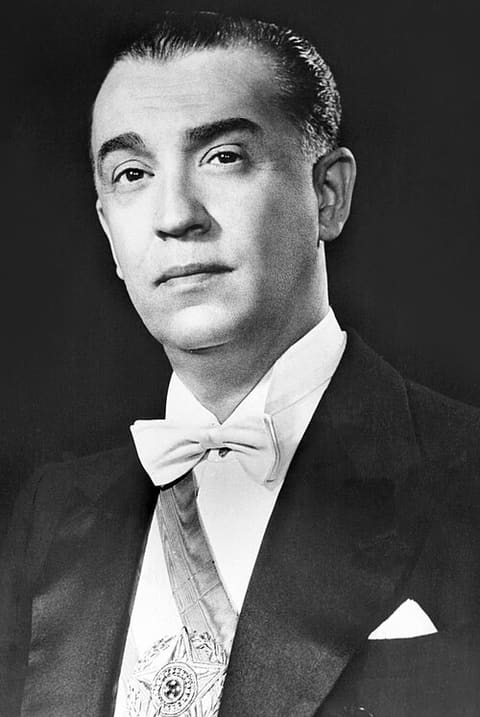
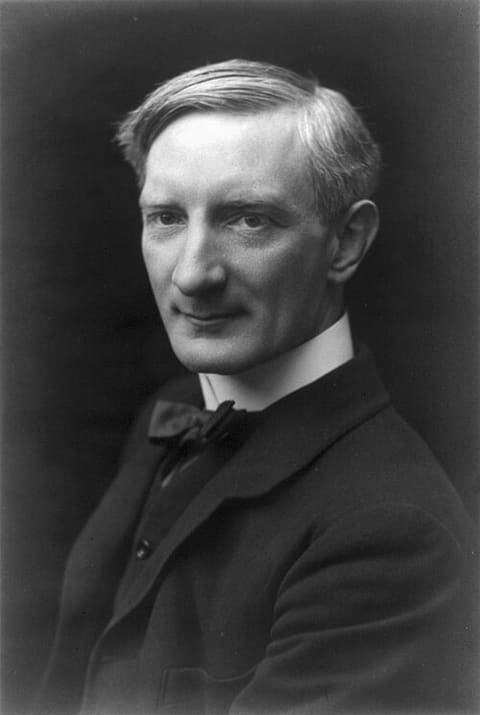
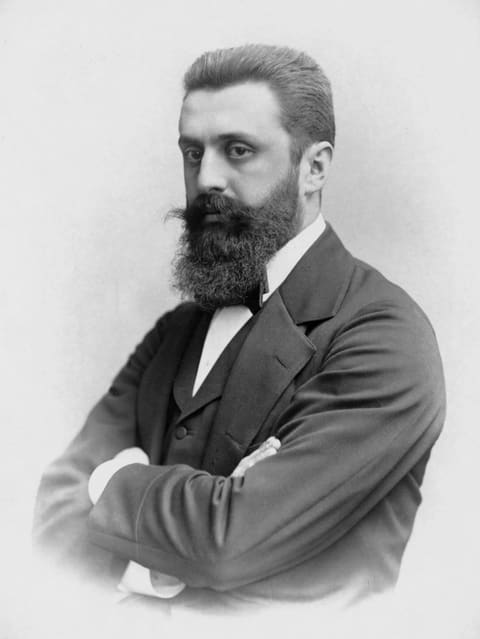
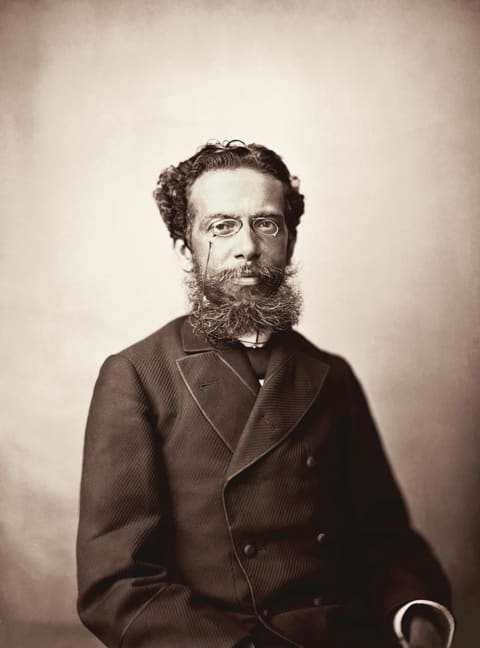
Nearby thinkers & leaders
Scores below are similarity indices out of 100, calculated from catalog coordinates. They do not establish historical influence or endorsement. How the comparison works →
Scores below are similarity indices out of 100, calculated from catalog coordinates. They do not establish historical influence or endorsement. How the comparison works →
Scores below are similarity indices out of 100, calculated from catalog coordinates. They do not establish historical influence or endorsement. How the comparison works →