The atlas / People
The people behind the ideas.
Meet the leaders, thinkers, and activists who shaped political life. Explore their perspectives—and the ideas, places, and people closest to them.
449 profiles
Twelve dimensions in every profileSearch and filter the whole collection →
- Philosophy
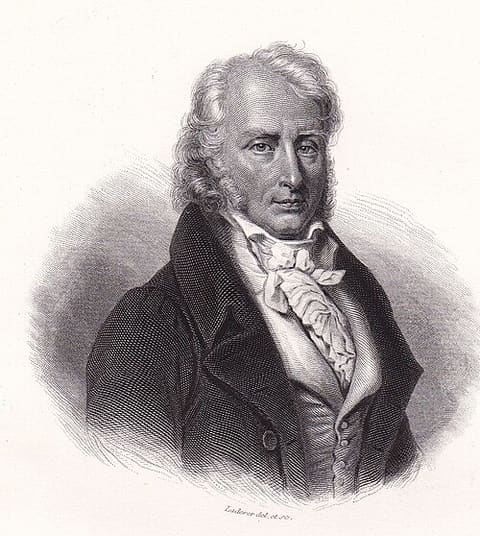
Benjamin Constant
Franco-Swiss theorist of liberalism, Constant distinguished the liberty of the ancients from that of the moderns, denounced unlimited popular sovereignty as the origin of the Terror, and defended individual rights, a free press and constitutional monarchy with a property-based franchise.
- Politics
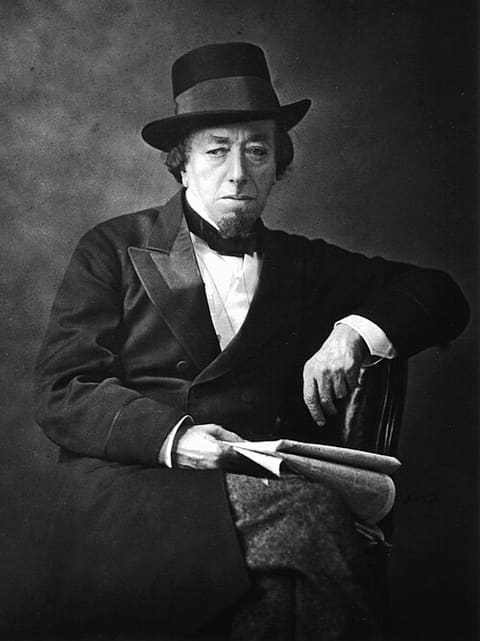
Benjamin Disraeli
A British statesman, Disraeli formulated one-nation paternalistic conservatism, reconciling tradition, monarchy, and social reforms to integrate the working classes and strengthen the country's cohesion.
- Politics
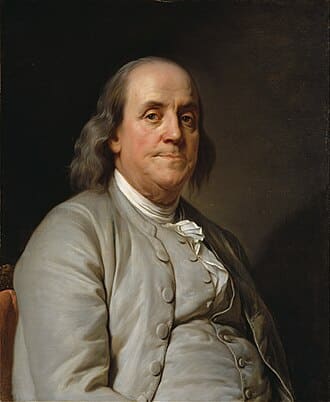
Benjamin Franklin
A polymath, diplomat, and founder of the United States, Franklin united republicanism, free thought, commerce, science, innovation, and institutional pragmatism, symbolizing a liberal, cosmopolitan, Enlightenment strand of modern politics.
- Politics
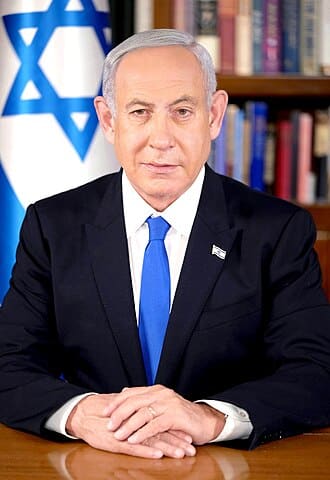
Benjamin Netanyahu
An Israeli politician, Netanyahu became a central figure of Israel's nationalist, security-focused right, uniting economic liberalism, conservative Zionism, and a hard line against regional adversaries.
- Political theory
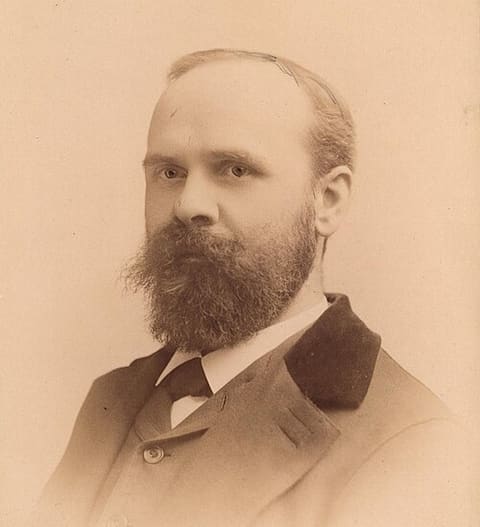
Benjamin Tucker
An American individualist anarchist, Tucker championed a free market without state or monopolies, uniting radical individual freedom and mutualism, and translated the great libertarian thinkers of his time.
- Activism
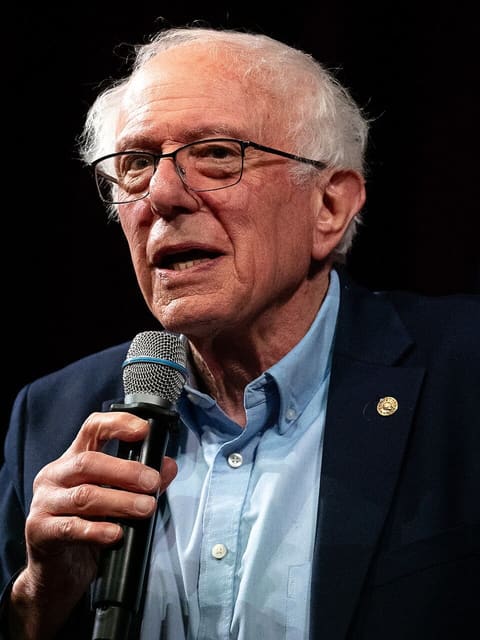
Bernie Sanders
An American politician, Bernie Sanders is the leading voice of democratic socialism in the United States, defending universal public healthcare, labor rights, and the fight against inequality and the power of large corporations.
- Politics
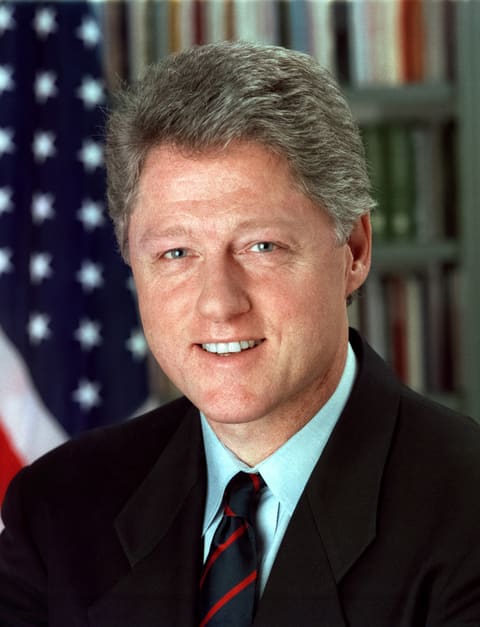
Bill Clinton
President of the United States (1993–2001), Clinton promoted a 'Third Way' combining fiscal discipline and welfare reform with investment in education and technology, liberalized trade through NAFTA and China's WTO accession, and oversaw a period of strong economic growth despite being impeached over a personal scandal.
- Business
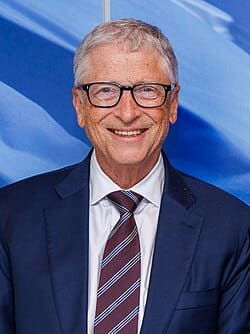
Bill Gates
Co-founder of Microsoft and leader of the Gates Foundation, Gates combines technological capitalism, global philanthropy, public health, education, the fight against poverty, climate innovation, and trust in science, metrics, and technocratic solutions.
- Politics
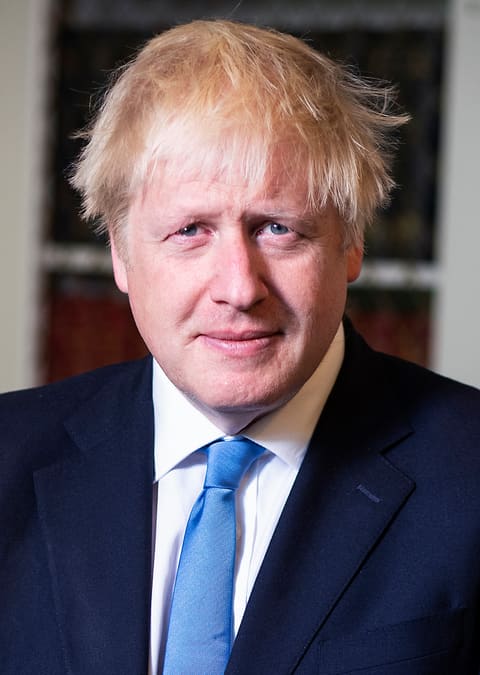
Boris Johnson
A Conservative and Brexit leader, prime minister from 2019 to 2022, Johnson took the UK out of the EU, armed Ukraine, raised taxes and public spending, opened non-EU immigration and fell after Partygate; he is now a Daily Mail columnist.
- Activism
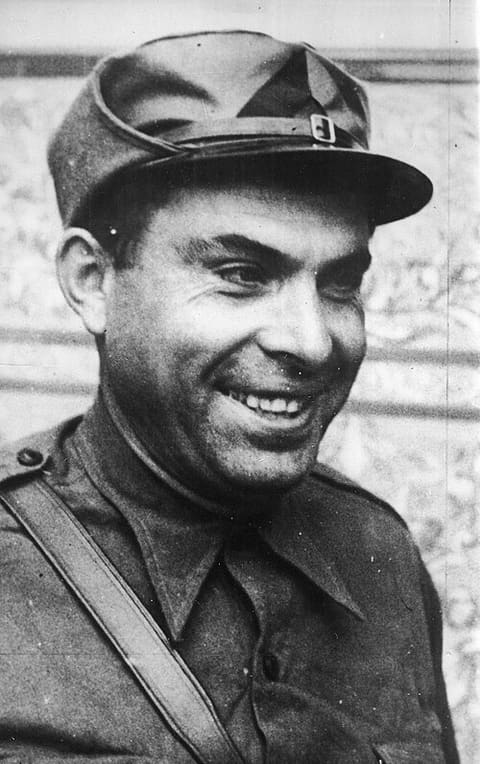
Buenaventura Durruti
A Spanish anarcho-syndicalist revolutionary, Durruti was a central figure of the Spanish Revolution, leading workers' militias and collectivization during the civil war, becoming a symbol of militant anarchism.
- Politics
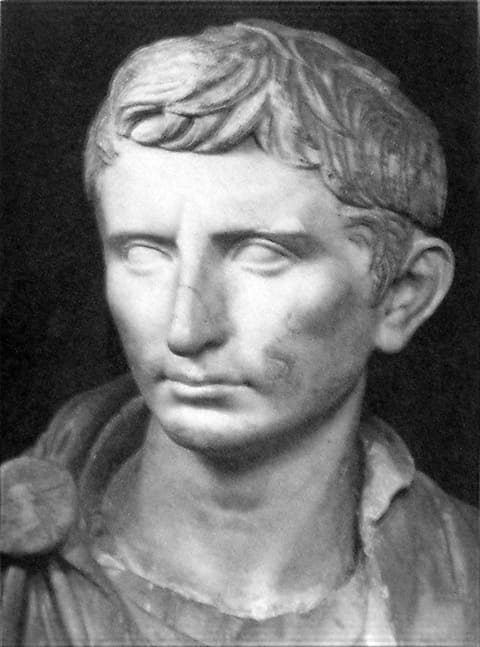
Caesar Augustus
The first Roman emperor, Augustus turned the republican crisis into a stable imperial order, preserving institutional forms while centralizing military command, administration, and political authority.
- Politics
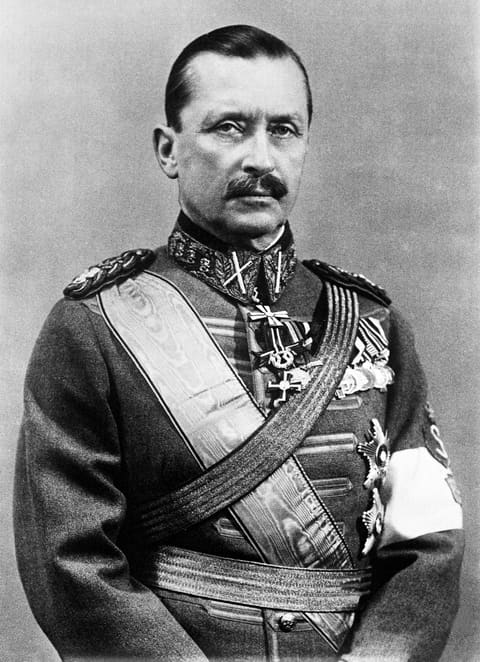
Carl Gustaf Emil Mannerheim
Commander of Finnish forces and later president, Mannerheim led the defense against the Soviet invasion in the Winter War, sustaining universal conscription and fortifications, yet refusing to advance on Leningrad and seeking a separate peace in 1944.
- Economics
Carl Menger
Austrian economist, Menger founded the Austrian School with the subjective theory of value, won the Methodenstreit against the German historicists, and was a classical liberal who still accepted state protection against abusive employers.
- Political theory
Carl Schmitt
A German jurist, Schmitt was an influential and controversial theorist of power, defining politics by the friend-enemy distinction and defending sovereignty and the state of exception.
- Political theory
Carlo Rosselli
An Italian antifascist thinker, Rosselli formulated liberal socialism, seeking to unite liberalism's ideals of freedom with socialism's social justice, and organized the resistance against Mussolini's regime.
- Politics
Carlos Lacerda
Journalist and leader of the UDN party, Lacerda traded youthful communism for liberal anticommunism, helped topple Vargas and back the 1964 coup, governed Guanabara with major public works and favela removals and later founded the Broad Front.
- Politics
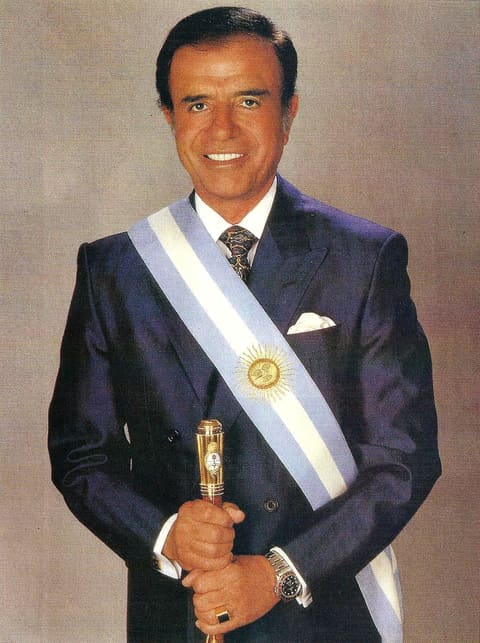
Carlos Menem
Argentine president from 1989 to 1999 elected by Peronism, Menem embraced neoliberalism: he privatized state firms, pegged the peso to the dollar, opened the economy, aligned with the US and pardoned junta officers.
- Economics
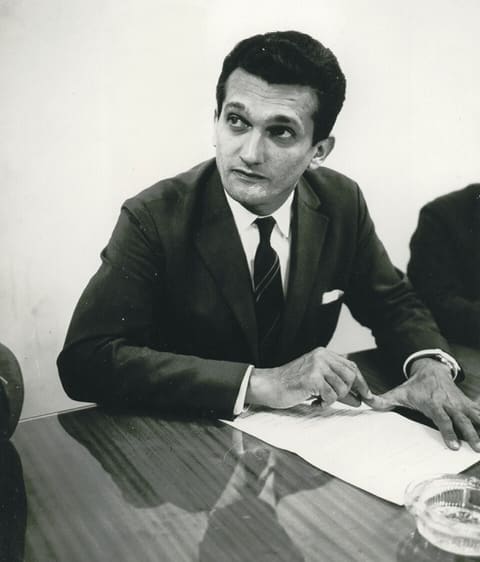
Celso Furtado
A Brazilian economist of the ECLAC school, Furtado explained underdevelopment as a historical result of the international division of labour, defending planned industrialisation, land reform and a developmental state.
- Politics
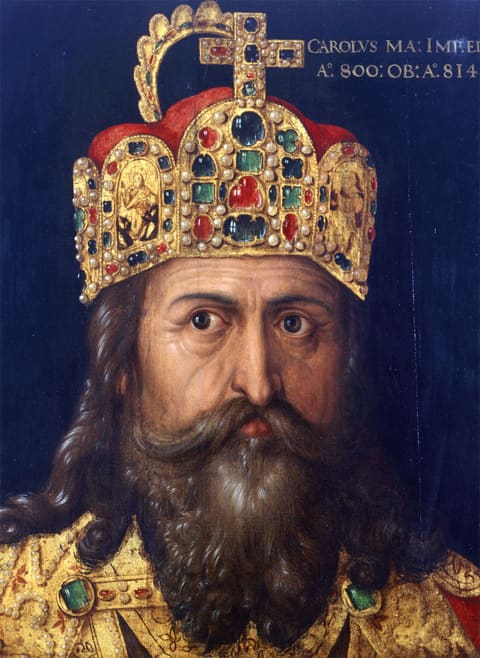
Charlemagne
King of the Franks and emperor, Charlemagne united military expansion, Christianization, administrative reform, and cultural patronage, becoming a symbol of imperial Christian monarchy and the medieval European order.
- Religion
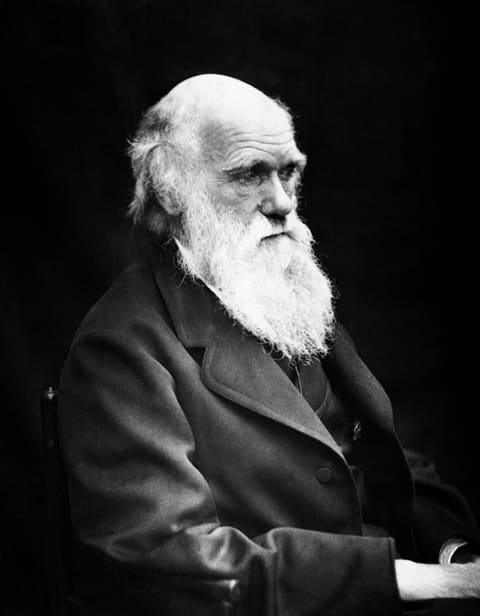
Charles Darwin
A British naturalist who formulated the theory of evolution by natural selection in 'On the Origin of Species,' Darwin revolutionized the scientific understanding of life, championed empirical observation and gradualism against established dogma, and his ideas were later appropriated (in distorted form) by social ideologies he himself did not endorse.
- Politics
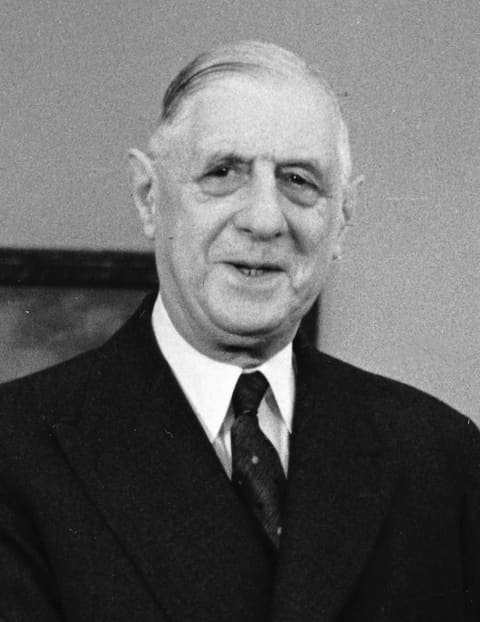
Charles de Gaulle
President of France (1959–1969) and leader of the Resistance in World War II, de Gaulle founded the Fifth Republic with a strong presidency, withdrew France from NATO's integrated military command, and built an independent nuclear arsenal to secure strategic autonomy free of subordinate alliances.
- Political theory
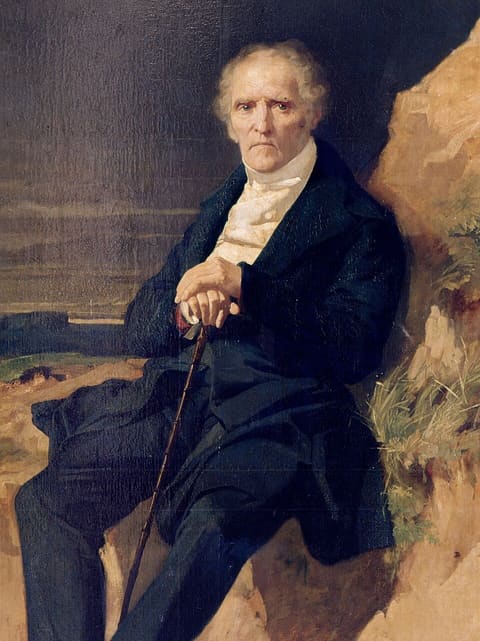
Charles Fourier
A French utopian socialist, Fourier linked social progress to the emancipation of women and criticized the patriarchal family, moral repression, and social hierarchies, imagining ideal cooperative communities.
- Politics
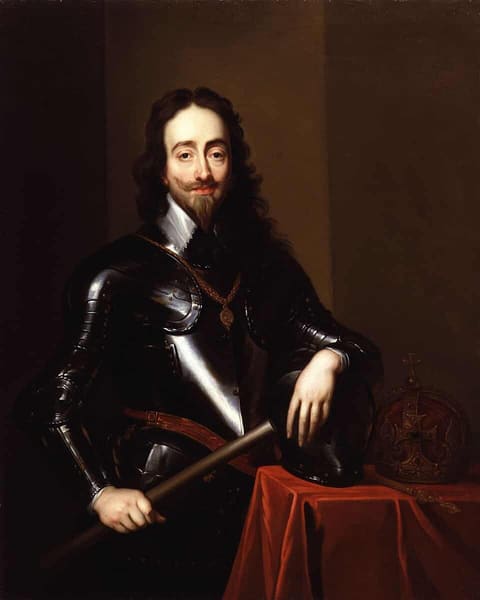
Charles I of England
The Stuart king defended royal prerogative and the divine right of monarchs. His conflicts with Parliament over taxes and authority, alongside his attempt to impose Anglican practices in Scotland, contributed to the Wars of the Three Kingdoms and his execution in 1649.
- Politics
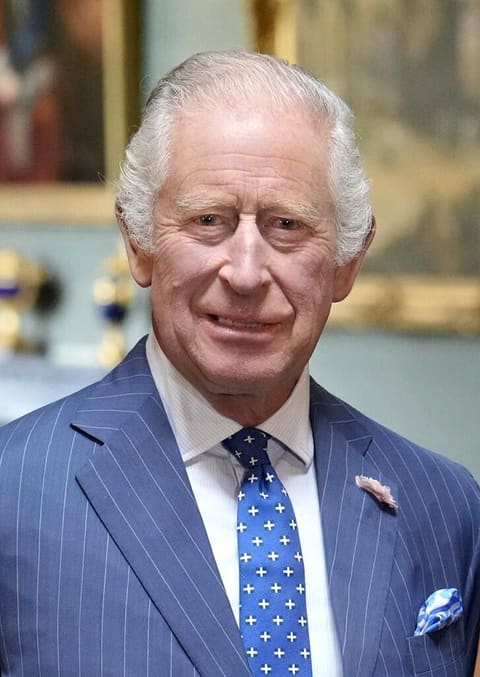
Charles III
King of the United Kingdom since 2022, Charles III combines constitutional neutrality with decades of environmental activism and advocacy for organic farming, traditional urbanism and interfaith dialogue, having lobbied ministers in the “black spider memos” and acknowledged the Empire’s slaving past.
No profiles found
Try a broader term or choose another filter.