Malthusian Environmentalism
Environmental current inspired by Garrett Hardin that links population pressure to the depletion of common resources. It favours collectively enforced limits on resource use and policies to curb population growth.
Ownfacet / Politype / Ideologies / Malthusian Environmentalism
Environmental current inspired by Garrett Hardin that links population pressure to the depletion of common resources. It favours collectively enforced limits on resource use and policies to curb population growth.
EDITORIAL SUMMARY
I want to preserve limited resources through firm rules for the commons and limits on population growth.
Sources below support the specific identity or context claims indicated. They do not validate this profile’s editorial category labels, twelve numerical coordinates, closest matches, or every statement in its description.
Review statuses describe scoped, agent-assisted checks against cited sources. They are not an independent human expert certification.
A documented source review is still pending for this entry. Treat its description and coordinates as an atlas interpretation.
How to interpret catalog profilesPolitical Axes
These coordinates are editorial interpretations. The two pole scores add to 100; they describe a position in this model, rather than a probability. Read how catalog profiles are interpreted ↗
This position is 37.5 points from the median of the 257 ideology profiles in this collection.
This is the largest distance from this collection’s median across the twelve axes. The collection is not a survey of public opinion.
This position is 2.5 points from this collection’s median.
This is the smallest median distance across the twelve axes; it does not establish a historical or political consensus.
Scores below are similarity indices out of 100, calculated from catalog coordinates. They do not establish historical influence or endorsement. How the comparison works ↗

An American ecologist, Hardin popularized the Tragedy of the Commons, arguing that shared resources degrade without control, a thesis that influenced debates on the environment, property, and population control.
Closest by facet
Each facet compares three axes: governance (power distribution, representation, civil liberties), culture (integration, religion, social norms), or economy (ownership, coordination, trade). Full-profile similarity compares all twelve.
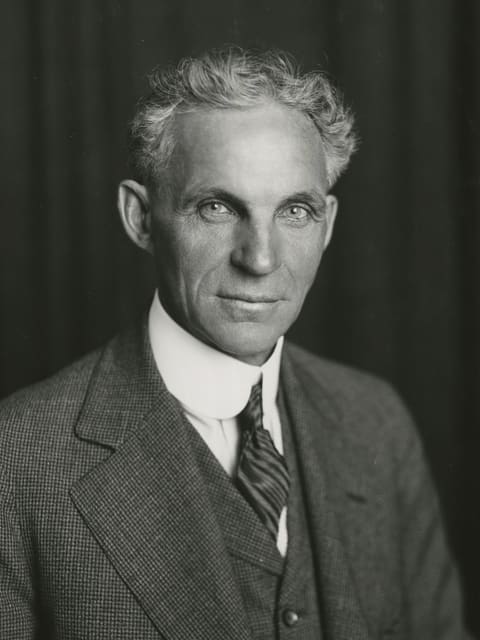


Other nearby figures



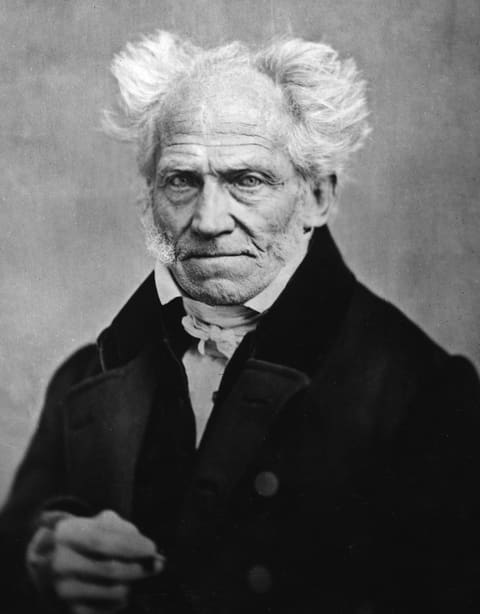


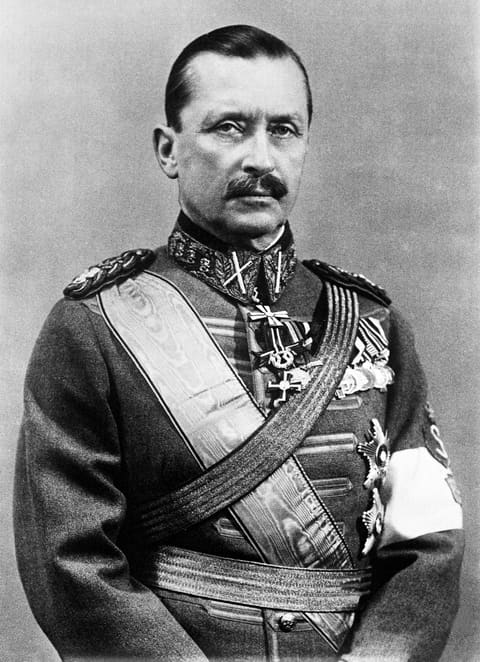
Most distant figures
Scores below are similarity indices out of 100, calculated from catalog coordinates. They do not establish historical influence or endorsement. How the comparison works ↗
Related Doctrines
Scores below are similarity indices out of 100, calculated from catalog coordinates. They do not establish historical influence or endorsement. How the comparison works ↗
Most compatible among the 257 schools
Socrates' dialectical method, examining beliefs through rational questioning and the pursuit of virtue, distrustful of mass politics and the rhetoric of demagogues, yet respectful of the city's rule of law.
Centrism taken to its limit: it refuses any leaning on principle and seeks exact equidistance between every pole, from economics to morality, treating each political axis as a balance point to be preserved.
A current that sees the unitary, centralized state as the guarantor of individual liberty: uniform law, secularism and single citizenship dismantle the local, clerical and corporate privileges that would oppress the individual without a strong national power.
Most distant ideology
Techno-CommunismAnarchist51.1 / 100