Anarcho-Conservatism
Current that rejects the state but preserves tradition, religion, and community values, defending a spontaneous social order based on customs, family, and natural authority instead of central political power.
Ownfacet / Politype / Ideologies / Anarcho-Conservatism
Current that rejects the state but preserves tradition, religion, and community values, defending a spontaneous social order based on customs, family, and natural authority instead of central political power.
EDITORIAL SUMMARY
I want to abolish central political power and live under custom, family and natural authority, in a spontaneous order that preserves tradition and faith.
Sources below support the specific identity or context claims indicated. They do not validate this profile’s editorial category labels, twelve numerical coordinates, closest matches, or every statement in its description.
Review statuses describe scoped, agent-assisted checks against cited sources. They are not an independent human expert certification.
A documented source review is still pending for this entry. Treat its description and coordinates as an atlas interpretation.
How to interpret catalog profilesPolitical Axes
These coordinates are editorial interpretations. The two pole scores add to 100; they describe a position in this model, rather than a probability. Read how catalog profiles are interpreted ↗
This position is 61.3 points from the median of the 257 ideology profiles in this collection.
This is the largest distance from this collection’s median across the twelve axes. The collection is not a survey of public opinion.
This position is 2.5 points from this collection’s median.
This is the smallest median distance across the twelve axes; it does not establish a historical or political consensus.
Scores below are similarity indices out of 100, calculated from catalog coordinates. They do not establish historical influence or endorsement. How the comparison works ↗

An American politician, Ron Paul popularized libertarianism in the United States, defending the minimal state, individual freedom, sound money, and a non-interventionist foreign policy against the establishment.
Closest by facet
Each facet compares three axes: governance (power distribution, representation, civil liberties), culture (integration, religion, social norms), or economy (ownership, coordination, trade). Full-profile similarity compares all twelve.
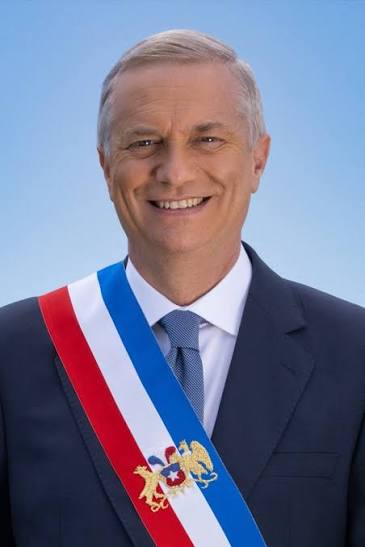
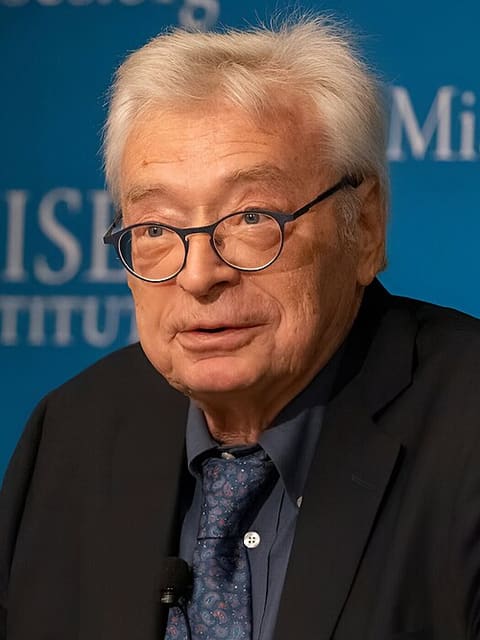
Other nearby figures
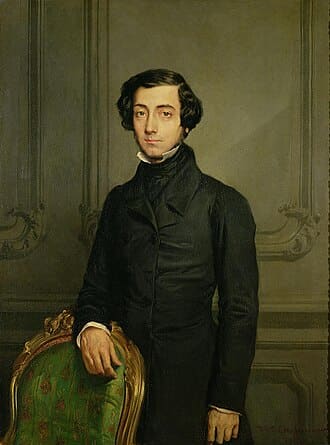
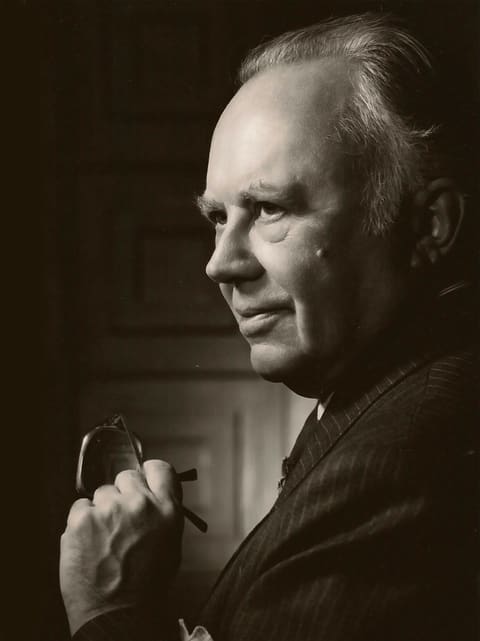
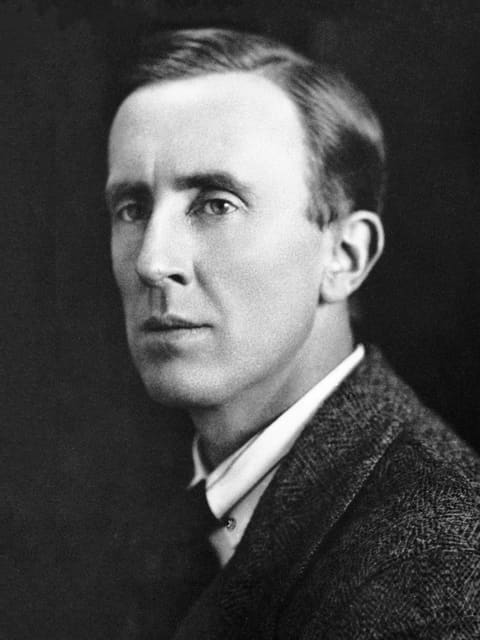

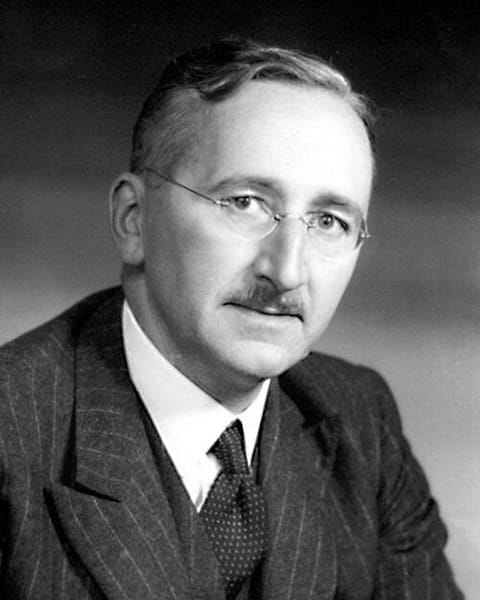
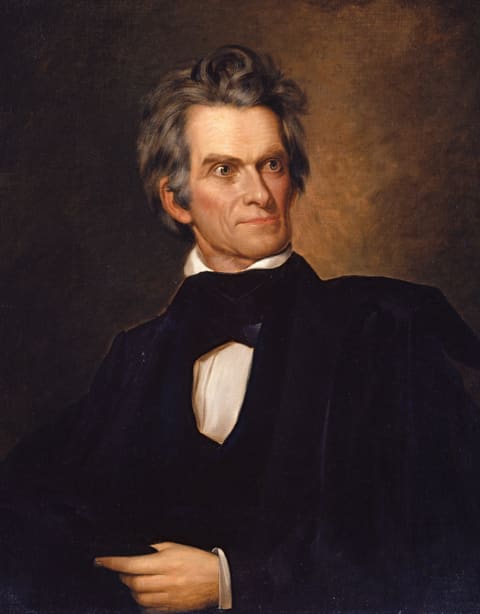
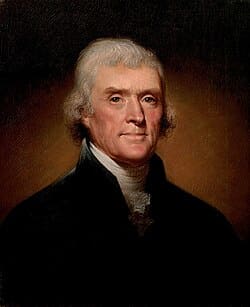
Most distant figures
Scores below are similarity indices out of 100, calculated from catalog coordinates. They do not establish historical influence or endorsement. How the comparison works ↗
Related Doctrines
Scores below are similarity indices out of 100, calculated from catalog coordinates. They do not establish historical influence or endorsement. How the comparison works ↗
Most compatible among the 257 schools
Branch that combines radical free markets with traditional, conservative cultural values, defending economic freedom, property, and autonomous local communities against the state and progressivism.
Synthesis that unites free markets and a minimal state with the defense of tradition, family, and order, valuing individual freedom and personal responsibility alongside the preservation of customs and institutions.
Tradition of republics made of sovereign provinces or cantons, such as the Dutch Republic and the old Swiss Confederacy, with local self-government, open trade, armed neutrality and deep-rooted Protestant faith.
Most distant ideology
Techno-SocialismRadical left29.7 / 100