Anarcho-Pacifism
Anarchist branch that rejects the state and all violence, defending social transformation through nonviolent means, civil disobedience, and voluntary cooperation as the path to a free and just society.
Ownfacet / Politype / Ideologies / Anarcho-Pacifism
Anarchist branch that rejects the state and all violence, defending social transformation through nonviolent means, civil disobedience, and voluntary cooperation as the path to a free and just society.
EDITORIAL SUMMARY
I want a society without state or violence, built through civil disobedience and voluntary cooperation among free people.
Sources below support the specific identity or context claims indicated. They do not validate this profile’s editorial category labels, twelve numerical coordinates, closest matches, or every statement in its description.
Review statuses describe scoped, agent-assisted checks against cited sources. They are not an independent human expert certification.
A documented source review is still pending for this entry. Treat its description and coordinates as an atlas interpretation.
How to interpret catalog profilesPolitical Axes
These coordinates are editorial interpretations. The two pole scores add to 100; they describe a position in this model, rather than a probability. Read how catalog profiles are interpreted ↗
This position is 62.5 points from the median of the 257 ideology profiles in this collection.
This is the largest distance from this collection’s median across the twelve axes. The collection is not a survey of public opinion.
This position is 2.4 points from this collection’s median.
This is the smallest median distance across the twelve axes; it does not establish a historical or political consensus.
Scores below are similarity indices out of 100, calculated from catalog coordinates. They do not establish historical influence or endorsement. How the comparison works ↗

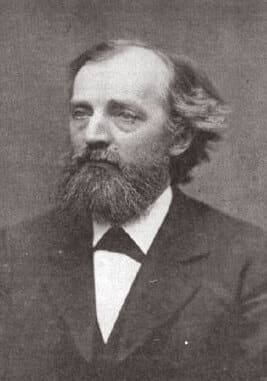
A French philosopher, Foucault analyzed prisons, sexuality, medicine, and modern knowledge as forms of disciplinary power, becoming a reference for critiques of social normalization, institutions of control, and cultural hierarchies.
Closest by facet
Each facet compares three axes: governance (power distribution, representation, civil liberties), culture (integration, religion, social norms), or economy (ownership, coordination, trade). Full-profile similarity compares all twelve.
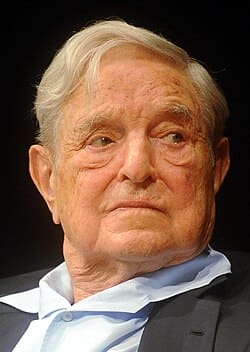

Other nearby figures
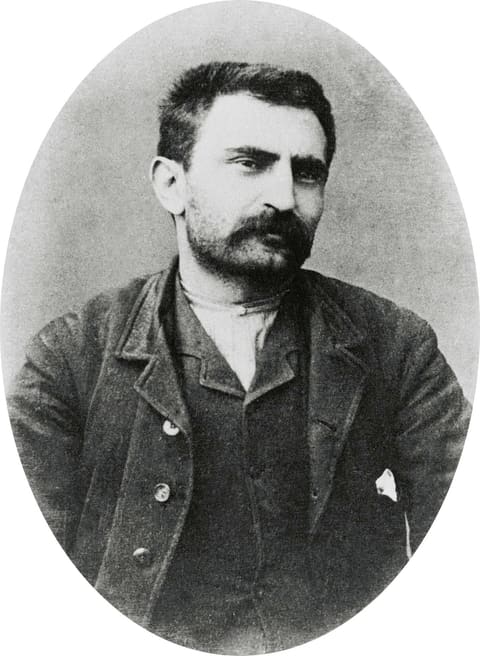
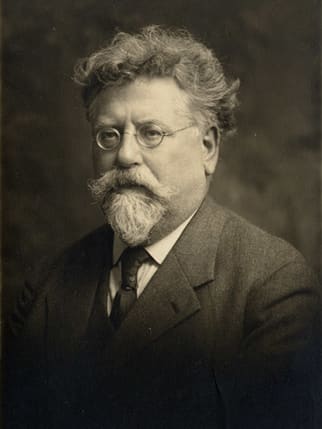
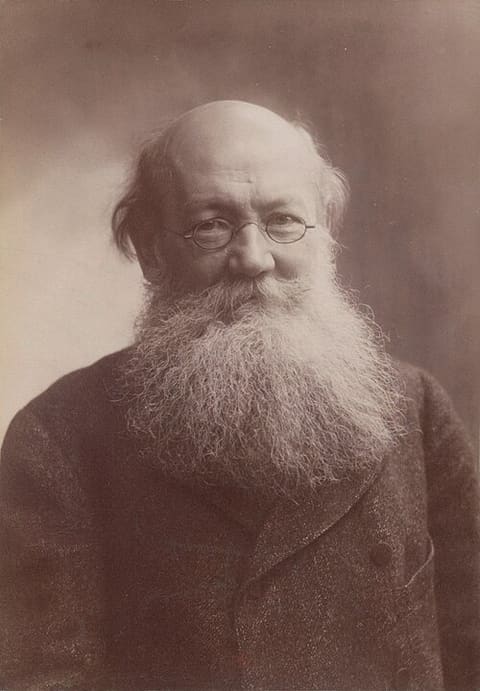
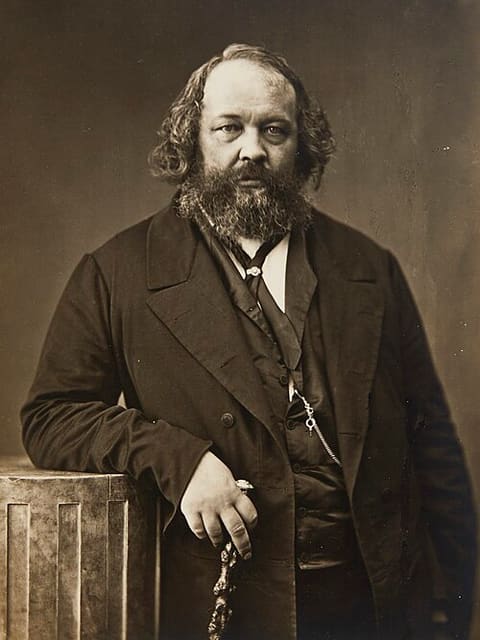
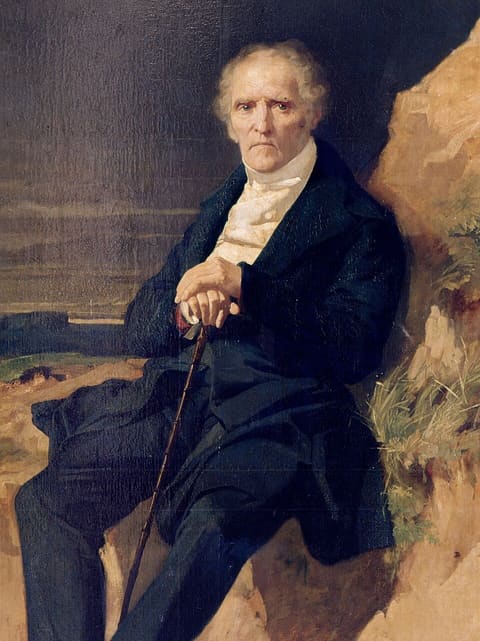
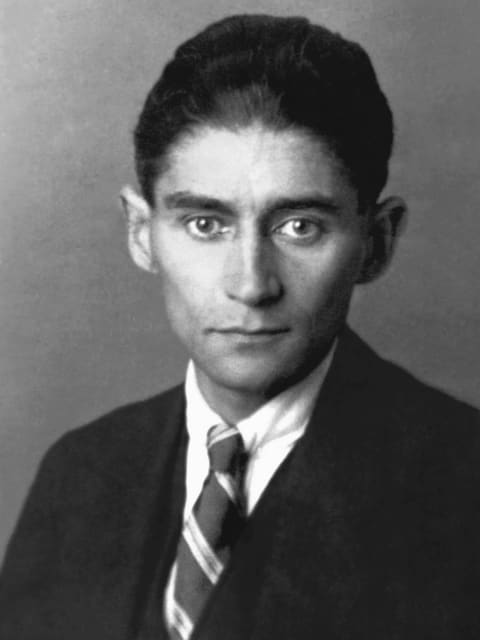


Most distant figures
Scores below are similarity indices out of 100, calculated from catalog coordinates. They do not establish historical influence or endorsement. How the comparison works ↗
Related Doctrines
Scores below are similarity indices out of 100, calculated from catalog coordinates. They do not establish historical influence or endorsement. How the comparison works ↗
Most compatible among the 257 schools
Current that sees revolutionary unions as the basis for overthrowing capitalism through direct action and the general strike, organizing production by the workers themselves in a free, stateless society.
Family of political philosophies questioning the legitimacy of state rule and other imposed hierarchies. Political anarchists commonly favor voluntary association, self-management, and mutual aid, while differing on property, economics, and strategies for change.
Left-libertarian branch that unites broad individual freedom with collective or shared ownership of resources, defending autonomy, cooperation, and the rejection of both the authoritarian state and capital.
Most distant ideology
National SocialismThird position25.5 / 100