Aristocratism
Doctrine of the rule of the best, entrusting power to a minority qualified by virtue, education or birth, rejecting political equality and majority rule as surrendering the city to incompetence.
Ownfacet / Politype / Ideologies / Aristocratism
Doctrine of the rule of the best, entrusting power to a minority qualified by virtue, education or birth, rejecting political equality and majority rule as surrendering the city to incompetence.
EDITORIAL SUMMARY
I want government entrusted to a minority qualified by virtue and birth, rejecting political equality as surrendering the city to incompetence.
Sources below support the specific identity or context claims indicated. They do not validate this profile’s editorial category labels, twelve numerical coordinates, closest matches, or every statement in its description.
Review statuses describe scoped, agent-assisted checks against cited sources. They are not an independent human expert certification.
A documented source review is still pending for this entry. Treat its description and coordinates as an atlas interpretation.
How to interpret catalog profilesPolitical Axes
These coordinates are editorial interpretations. The two pole scores add to 100; they describe a position in this model, rather than a probability. Read how catalog profiles are interpreted ↗
This position is 41.2 points from the median of the 257 ideology profiles in this collection.
This is the largest distance from this collection’s median across the twelve axes. The collection is not a survey of public opinion.
This position is 8.3 points from this collection’s median.
This is the smallest median distance across the twelve axes; it does not establish a historical or political consensus.
Scores below are similarity indices out of 100, calculated from catalog coordinates. They do not establish historical influence or endorsement. How the comparison works ↗

A Greek philosopher, Plato criticized Athenian democracy and imagined a city governed by philosophers, with rigid education, moral censorship, and the strong subordination of private interests to the harmony of the political community.
Closest by facet
Each facet compares three axes: governance (power distribution, representation, civil liberties), culture (integration, religion, social norms), or economy (ownership, coordination, trade). Full-profile similarity compares all twelve.
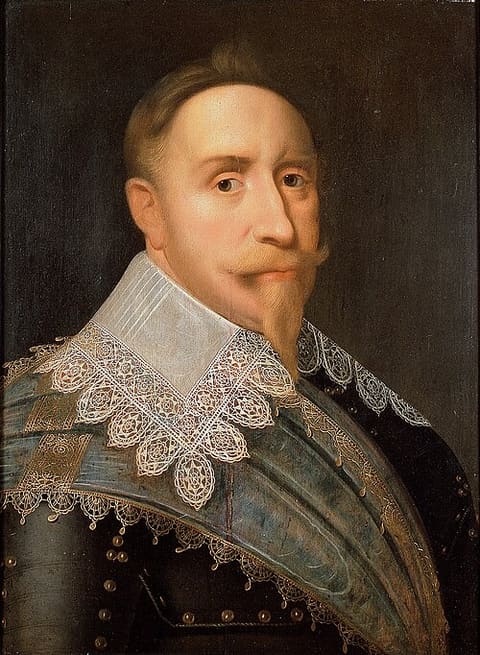


Other nearby figures

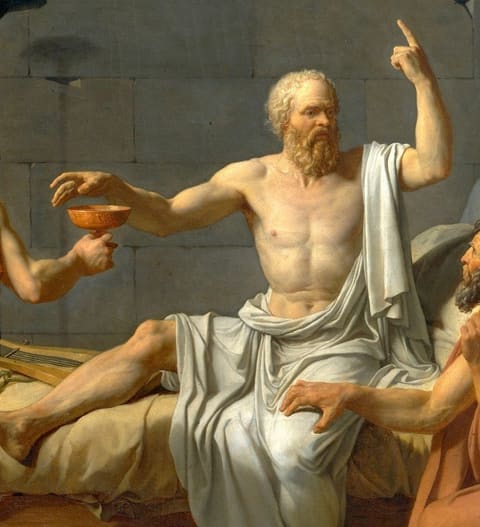

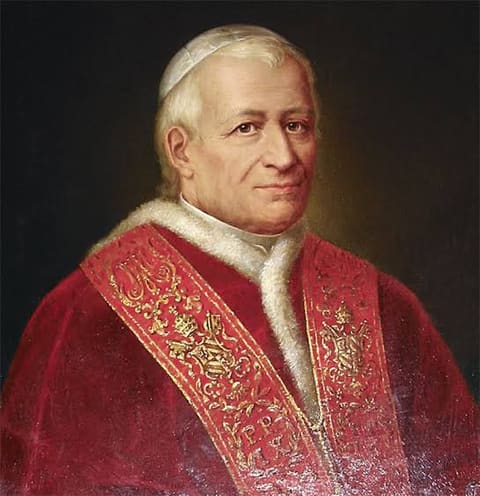
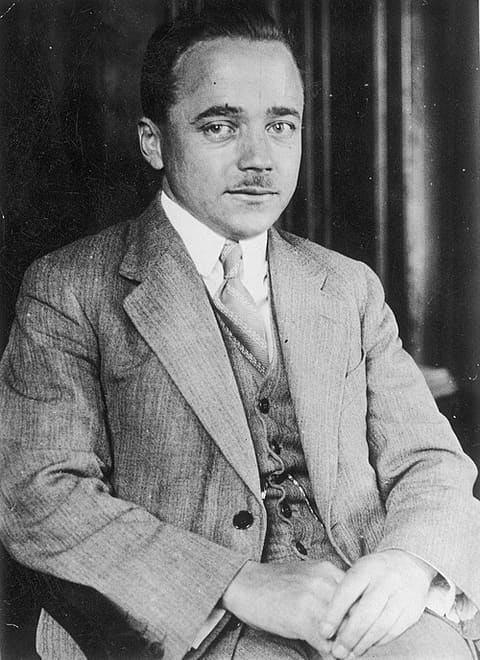

Most distant figures
Scores below are similarity indices out of 100, calculated from catalog coordinates. They do not establish historical influence or endorsement. How the comparison works ↗
Related Doctrines
Scores below are similarity indices out of 100, calculated from catalog coordinates. They do not establish historical influence or endorsement. How the comparison works ↗
Most compatible among the 257 schools
Plato's political philosophy, entrusting the city's government to a philosophical elite formed by virtue and knowledge, with strong control over education, property and customs in the name of justice and social harmony.
Doctrine that grounds political order in the ruler's virtue, ritual hierarchy and filial piety, favouring bureaucratic merit and moral education over coercive law or popular participation.
Socrates' dialectical method, examining beliefs through rational questioning and the pursuit of virtue, distrustful of mass politics and the rhetoric of demagogues, yet respectful of the city's rule of law.
Most distant ideology
Crypto-AnarchismLibertarian39.9 / 100