Conservatism
Political tradition that values order, customs, family, and consolidated institutions, preferring gradual and prudent change over rupture, based on historical experience and skepticism toward utopias.
Ownfacet / Politype / Ideologies / Conservatism
Political tradition that values order, customs, family, and consolidated institutions, preferring gradual and prudent change over rupture, based on historical experience and skepticism toward utopias.
EDITORIAL SUMMARY
I want a society that preserves customs, family and institutions, changing slowly and with skepticism toward utopias and ruptures.
Sources below support the specific identity or context claims indicated. They do not validate this profile’s editorial category labels, twelve numerical coordinates, closest matches, or every statement in its description.
Review statuses describe scoped, agent-assisted checks against cited sources. They are not an independent human expert certification.
Conservative traditions emphasize inherited institutions, experience, and cautious change.
Latest recorded identity or description review: .
How to interpret catalog profilesPolitical Axes
These coordinates are editorial interpretations. The two pole scores add to 100; they describe a position in this model, rather than a probability. Read how catalog profiles are interpreted ↗
This position is 32.5 points from the median of the 257 ideology profiles in this collection.
This is the largest distance from this collection’s median across the twelve axes. The collection is not a survey of public opinion.
This position is 1.3 points from this collection’s median.
This is the smallest median distance across the twelve axes; it does not establish a historical or political consensus.
Scores below are similarity indices out of 100, calculated from catalog coordinates. They do not establish historical influence or endorsement. How the comparison works ↗
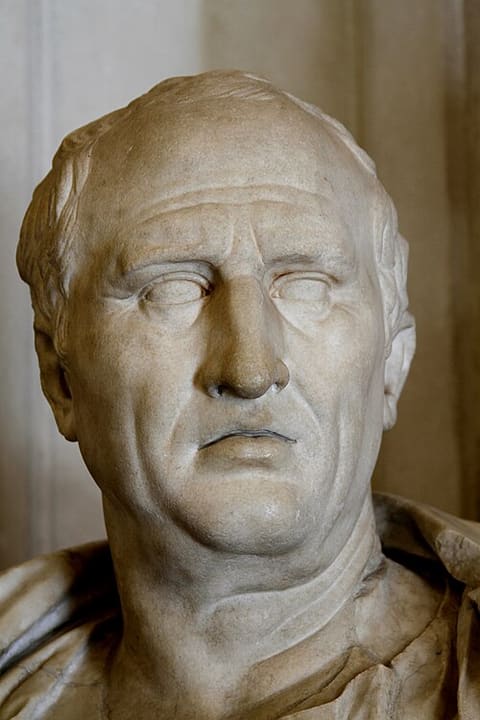
A Roman statesman and philosopher, Cicero defended the republic, mixed government, and the rule of law, bequeathing the tradition of civic republicanism and natural law that influenced Western political thought.
Closest by facet
Each facet compares three axes: governance (power distribution, representation, civil liberties), culture (integration, religion, social norms), or economy (ownership, coordination, trade). Full-profile similarity compares all twelve.
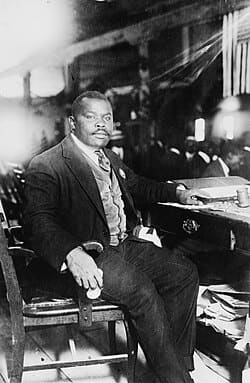
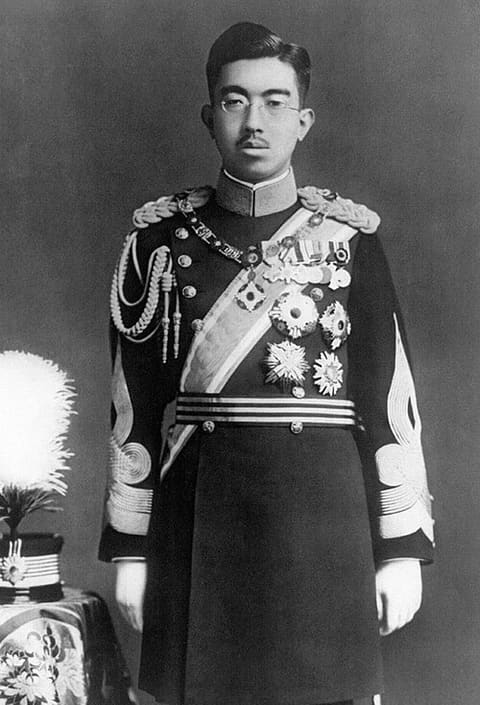
Other nearby figures



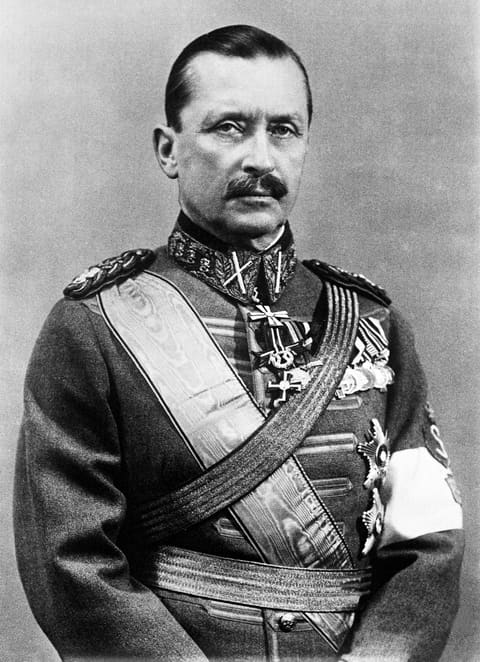




Most distant figures
Scores below are similarity indices out of 100, calculated from catalog coordinates. They do not establish historical influence or endorsement. How the comparison works ↗
Related Doctrines
Scores below are similarity indices out of 100, calculated from catalog coordinates. They do not establish historical influence or endorsement. How the comparison works ↗
Most compatible among the 257 schools
Right-wing current that unites free markets, traditional values, and an interventionist foreign policy, advocating the promotion of democracy and national interests through military force and global leadership.
Centrist branch that combines economic moderation and institutional respect with social conservatism, valuing family, religion, order, and gradual change without joining the authoritarian right or populist radicalism.
Right-wing current that combines free markets, free trade, and limited government with strong national identity, cultural assimilation, traditional and religious values, and a robust military.
Most distant ideology
Techno-CommunismAnarchist46.3 / 100