Eurasianism
Russian geopolitical current that sees Eurasia as a distinct civilization and proposes a Moscow-led continental bloc, with regional autonomy and shared strategic command, against Atlanticism and US hegemony.
Ownfacet / Politype / Ideologies / Eurasianism
Russian geopolitical current that sees Eurasia as a distinct civilization and proposes a Moscow-led continental bloc, with regional autonomy and shared strategic command, against Atlanticism and US hegemony.
EDITORIAL SUMMARY
I want Eurasian peoples autonomous in their traditions, united under Moscow's strategic direction, with economic sovereignty and planned essential industries.
Sources below support the specific identity or context claims indicated. They do not validate this profile’s editorial category labels, twelve numerical coordinates, closest matches, or every statement in its description.
Review statuses describe scoped, agent-assisted checks against cited sources. They are not an independent human expert certification.
A documented source review is still pending for this entry. Treat its description and coordinates as an atlas interpretation.
How to interpret catalog profilesPolitical Axes
These coordinates are editorial interpretations. The two pole scores add to 100; they describe a position in this model, rather than a probability. Read how catalog profiles are interpreted ↗
This position is 48.8 points from the median of the 257 ideology profiles in this collection.
This is the largest distance from this collection’s median across the twelve axes. The collection is not a survey of public opinion.
This position is 7.9 points from this collection’s median.
This is the smallest median distance across the twelve axes; it does not establish a historical or political consensus.
Scores below are similarity indices out of 100, calculated from catalog coordinates. They do not establish historical influence or endorsement. How the comparison works ↗
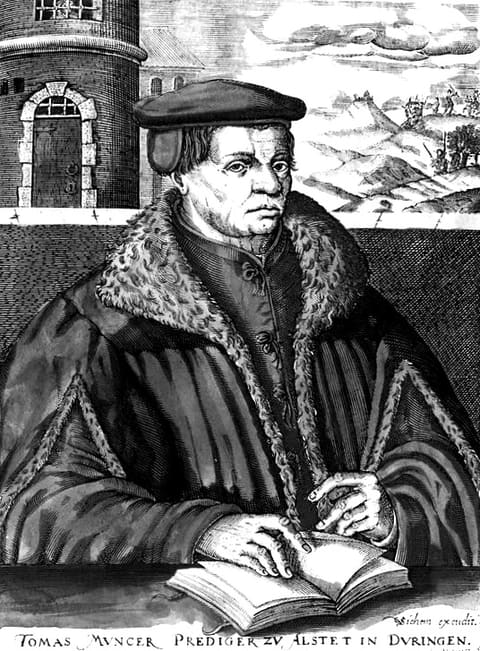
Radical Reformation preacher who broke with Luther and led peasants and miners in the German Peasants' War of 1525. He preached an apocalyptic theocracy of the elect, with goods in common and the overthrow of godless princes; he was beheaded after Frankenhausen.
Closest by facet
Each facet compares three axes: governance (power distribution, representation, civil liberties), culture (integration, religion, social norms), or economy (ownership, coordination, trade). Full-profile similarity compares all twelve.
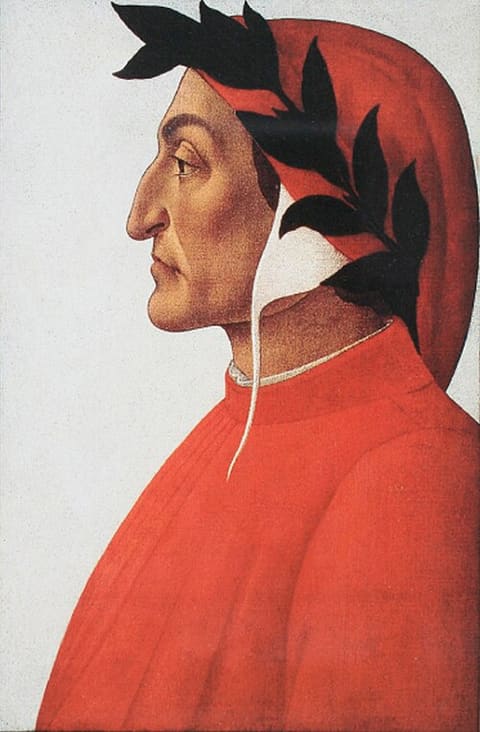
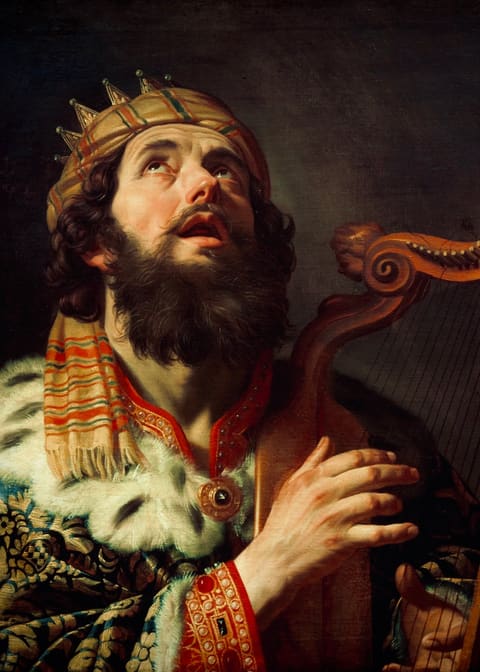
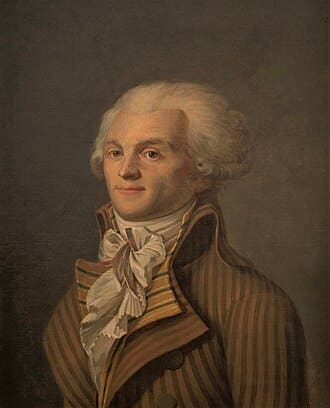
Other nearby figures
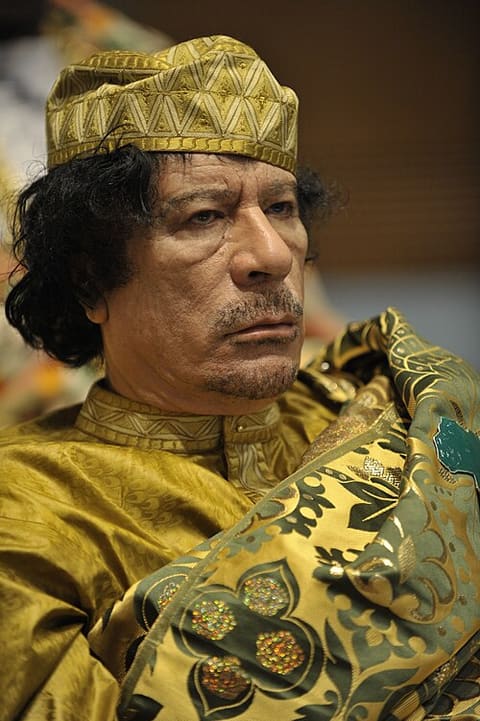
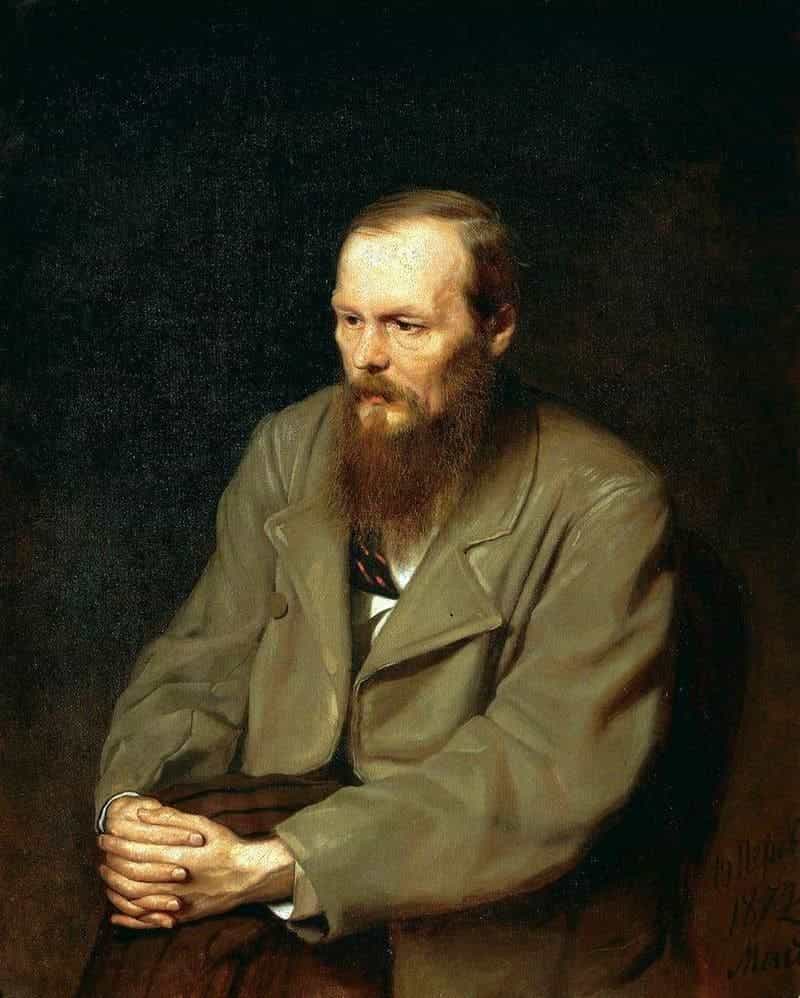
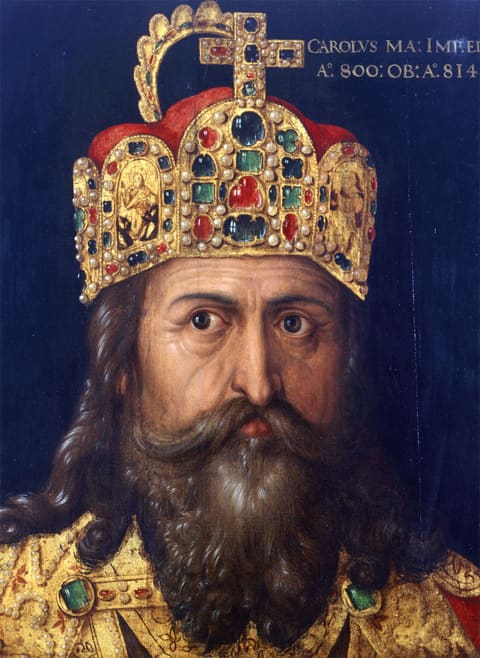
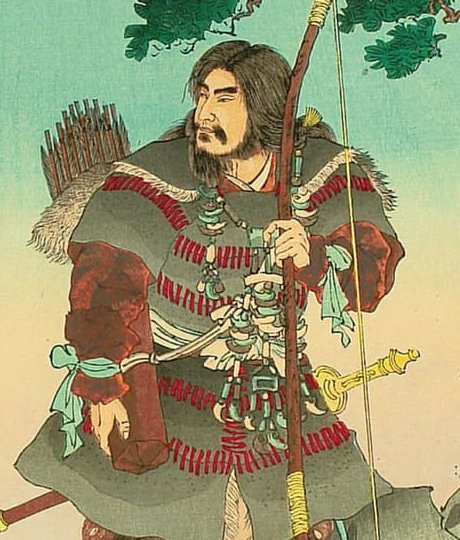
Most distant figures
Scores below are similarity indices out of 100, calculated from catalog coordinates. They do not establish historical influence or endorsement. How the comparison works ↗
Related Doctrines
Scores below are similarity indices out of 100, calculated from catalog coordinates. They do not establish historical influence or endorsement. How the comparison works ↗
Most compatible among the 257 schools
A Spanish current of counter-revolutionary traditionalism, born in the 19th-century Carlist Wars under the motto God, Fatherland, Fueros and King, advocating a legitimist Catholic monarchy, religious unity, regional fueros and an organic society against liberalism.
Project of a dynastic empire organized as a federation of nationalities, with regional autonomy, local parliaments and recognized languages, while retaining a hereditary crown, unified army and military assertion of imperial greatness.
Current of Thomas Müntzer, the peasants of 1525 and guerrilla priests such as Camilo Torres, seeking the Kingdom of God on earth through revolution, with common property and the rule of the poor imposed by force.
Most distant ideology
Crypto-AnarchismLibertarian39.9 / 100