Brazilian Integralism
Authoritarian nationalist movement that emerged in 1930s Brazil, with a Christian and corporatist base, the motto God, Fatherland and Family, mass aesthetics, and frontal opposition to liberalism and communism.
Ownfacet / Politype / Ideologies / Brazilian Integralism
Authoritarian nationalist movement that emerged in 1930s Brazil, with a Christian and corporatist base, the motto God, Fatherland and Family, mass aesthetics, and frontal opposition to liberalism and communism.
EDITORIAL SUMMARY
I want a fatherland under God, Fatherland and Family, commanded by an authoritarian chief and uniformed militias against liberals and communists.
Sources below support the specific identity or context claims indicated. They do not validate this profile’s editorial category labels, twelve numerical coordinates, closest matches, or every statement in its description.
Review statuses describe scoped, agent-assisted checks against cited sources. They are not an independent human expert certification.
A documented source review is still pending for this entry. Treat its description and coordinates as an atlas interpretation.
How to interpret catalog profilesPolitical Axes
These coordinates are editorial interpretations. The two pole scores add to 100; they describe a position in this model, rather than a probability. Read how catalog profiles are interpreted ↗
This position is 52.5 points from the median of the 257 ideology profiles in this collection.
This is the largest distance from this collection’s median across the twelve axes. The collection is not a survey of public opinion.
This position is 6.3 points from this collection’s median.
This is the smallest median distance across the twelve axes; it does not establish a historical or political consensus.
Scores below are similarity indices out of 100, calculated from catalog coordinates. They do not establish historical influence or endorsement. How the comparison works ↗
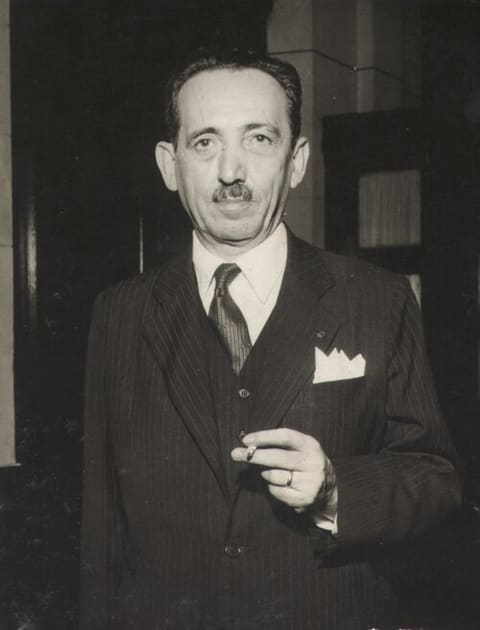
Leader of Brazilian Integralism, Plínio Salgado created an authoritarian nationalist movement of Christian inspiration, with the motto God, Fatherland and Family and mass aesthetics inspired by the European fascisms of the 1930s.
Closest by facet
Each facet compares three axes: governance (power distribution, representation, civil liberties), culture (integration, religion, social norms), or economy (ownership, coordination, trade). Full-profile similarity compares all twelve.
Other nearby figures

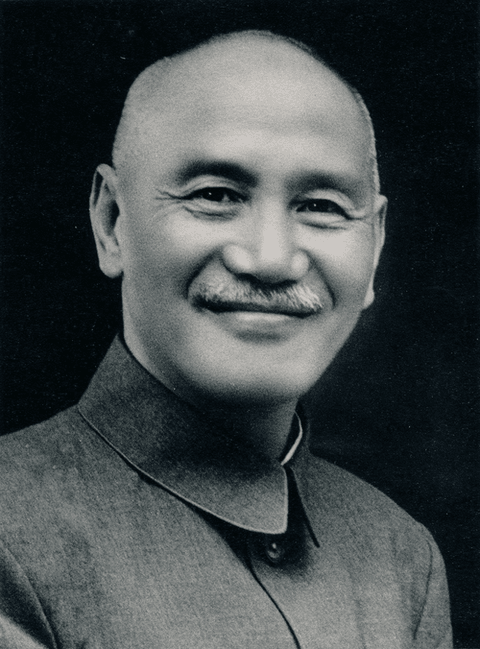
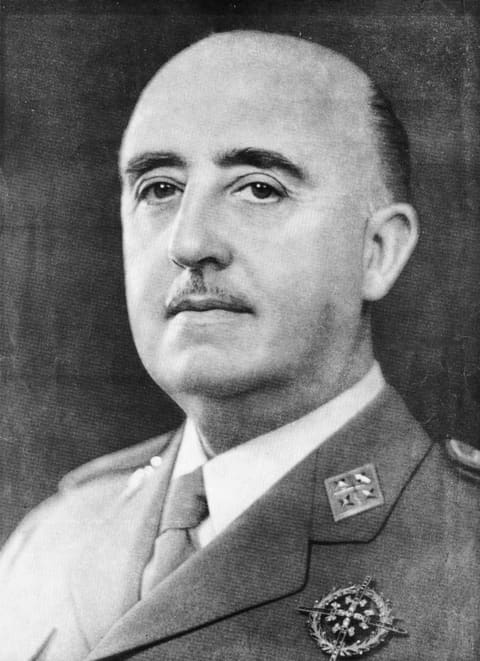
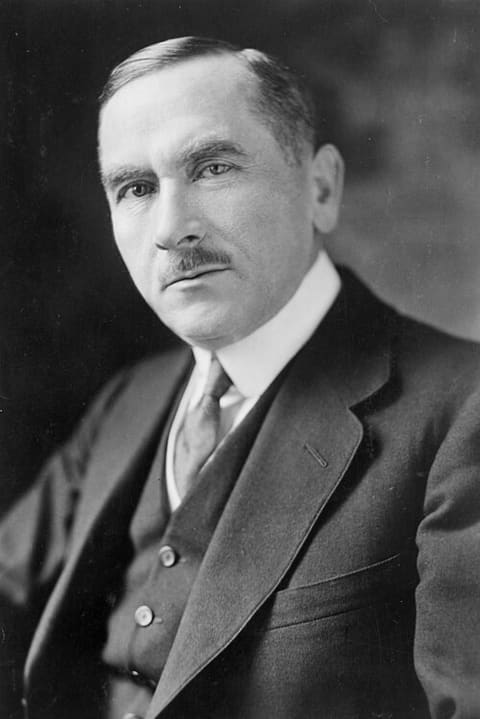
Most distant figures
Scores below are similarity indices out of 100, calculated from catalog coordinates. They do not establish historical influence or endorsement. How the comparison works ↗
Related Doctrines
Scores below are similarity indices out of 100, calculated from catalog coordinates. They do not establish historical influence or endorsement. How the comparison works ↗
Most compatible among the 257 schools
Christian theocratist doctrine that subordinates political power to religious authority, holding that divine law and the Church should govern the state and customs, from medieval and papal ultramontanism to modern reconstructionist projects.
Project that seeks to organize state and society according to the strict interpretation of a religious doctrine, subordinating laws, customs, and politics to sacred precepts and rejecting modern secularism.
Theory by Aleksandr Dugin that rejects liberalism, communism, and fascism and proposes a multipolar world founded on civilizations, tradition, and collective identity, opposing globalism and Western hegemony.
Most distant ideology
Techno-AnarchismAnarchist31.5 / 100