Keynesian Liberalism
Current inspired by John Maynard Keynes that accepts markets and liberal democracy but gives the state the task of managing demand, with countercyclical public spending, full employment as a goal and a mixed economy.
Ownfacet / Politype / Ideologies / Keynesian Liberalism
Current inspired by John Maynard Keynes that accepts markets and liberal democracy but gives the state the task of managing demand, with countercyclical public spending, full employment as a goal and a mixed economy.
EDITORIAL SUMMARY
I want a liberal democracy with a mixed economy, where the state spends against downturns and pursues full employment without owning industry.
Sources below support the specific identity or context claims indicated. They do not validate this profile’s editorial category labels, twelve numerical coordinates, closest matches, or every statement in its description.
Review statuses describe scoped, agent-assisted checks against cited sources. They are not an independent human expert certification.
A documented source review is still pending for this entry. Treat its description and coordinates as an atlas interpretation.
How to interpret catalog profilesPolitical Axes
These coordinates are editorial interpretations. The two pole scores add to 100; they describe a position in this model, rather than a probability. Read how catalog profiles are interpreted ↗
This position is 26.3 points from the median of the 257 ideology profiles in this collection.
This is the largest distance from this collection’s median across the twelve axes. The collection is not a survey of public opinion.
This position is 1.3 points from this collection’s median.
This is the smallest median distance across the twelve axes; it does not establish a historical or political consensus.
Scores below are similarity indices out of 100, calculated from catalog coordinates. They do not establish historical influence or endorsement. How the comparison works ↗
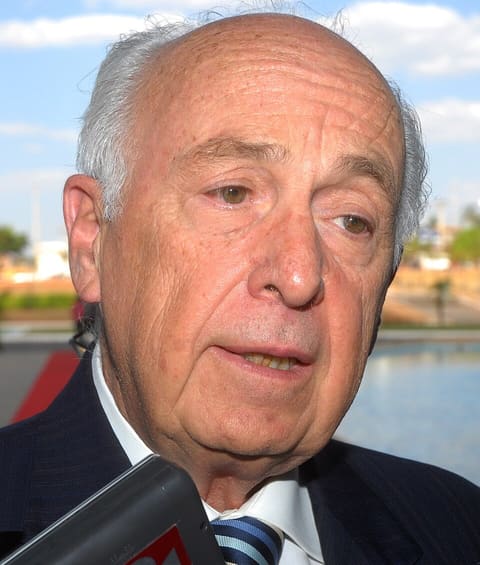
A Brazilian economist and former finance minister, Bresser-Pereira formulated new developmentalism, defending a competitive exchange rate, national industry and a reformed state that drives growth without abandoning democracy.
Closest by facet
Each facet compares three axes: governance (power distribution, representation, civil liberties), culture (integration, religion, social norms), or economy (ownership, coordination, trade). Full-profile similarity compares all twelve.
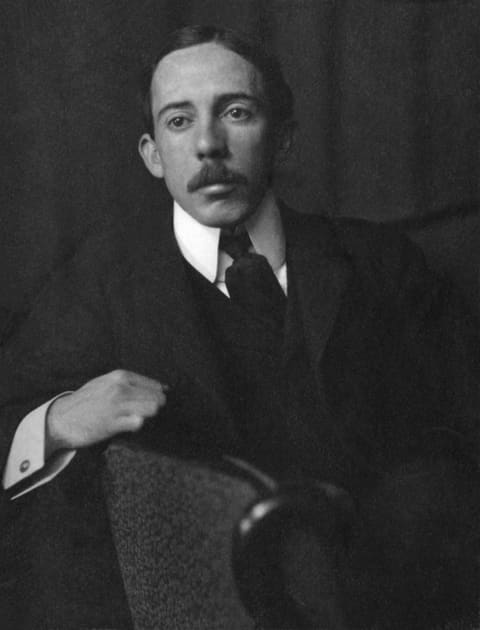
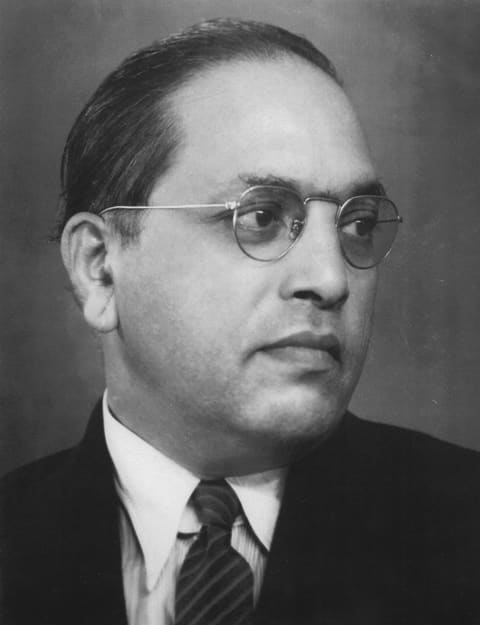
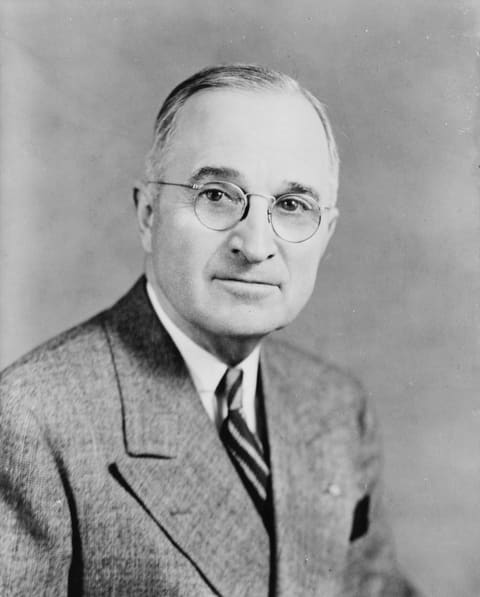
Other nearby figures
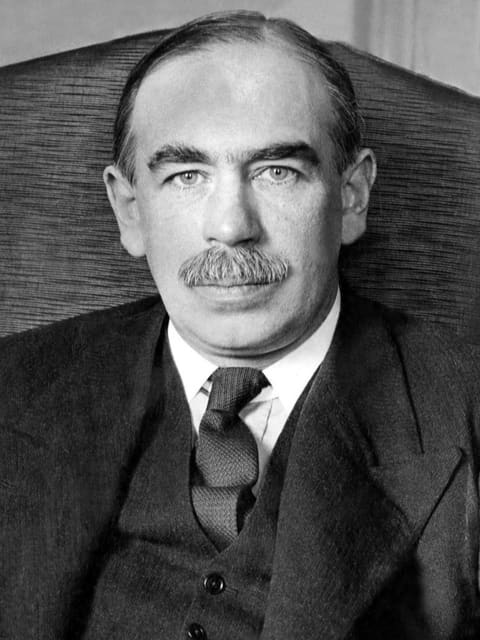
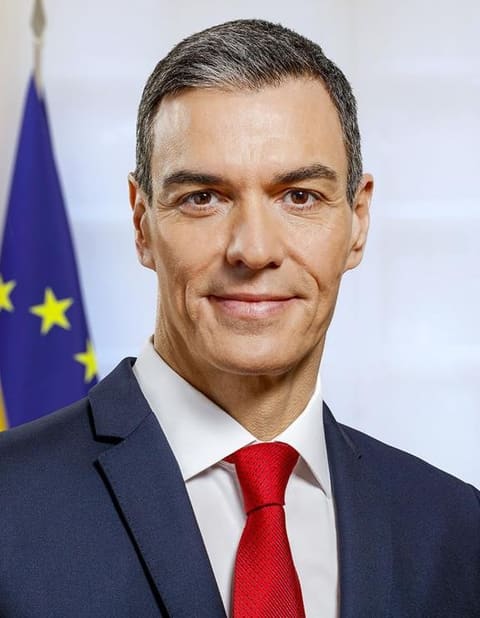
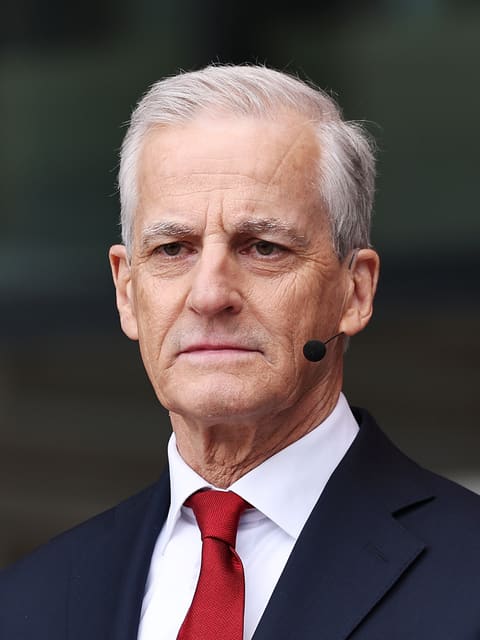
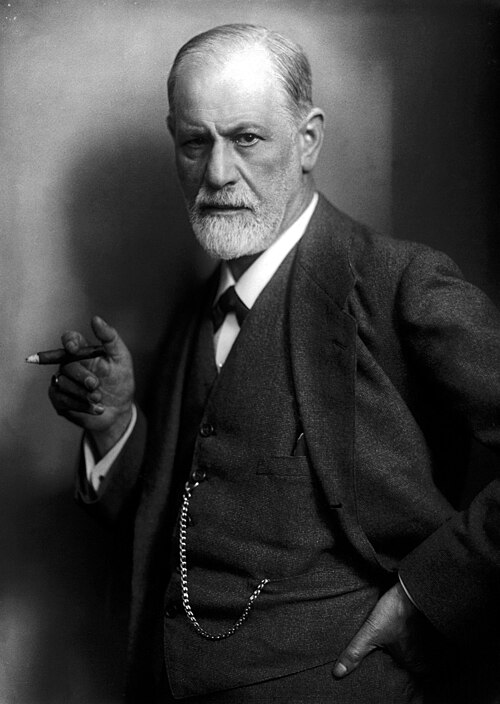

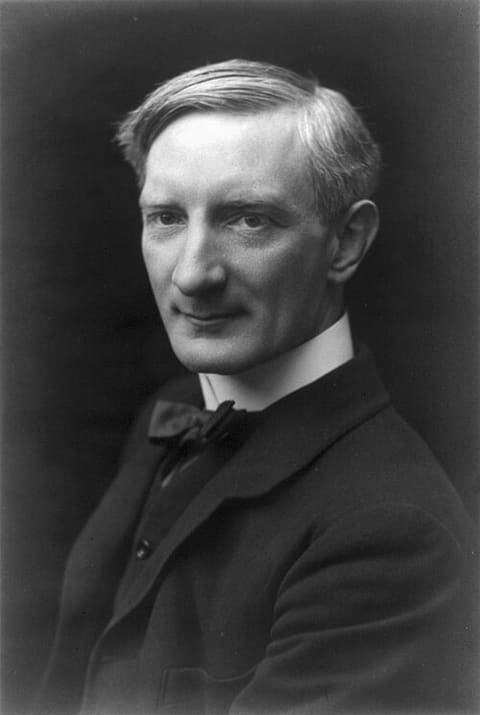
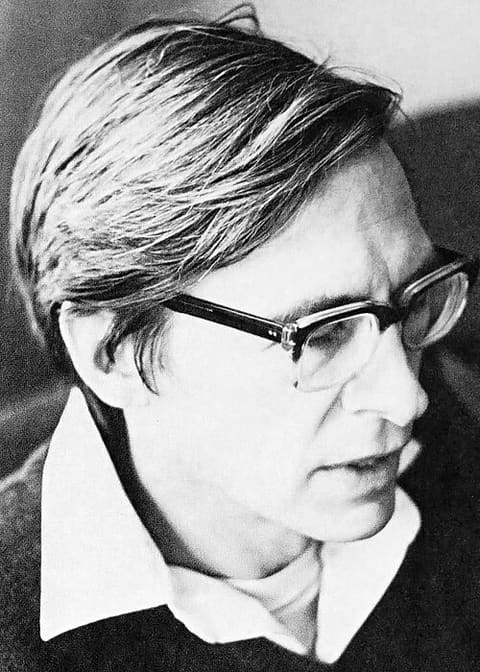
Most distant figures
Scores below are similarity indices out of 100, calculated from catalog coordinates. They do not establish historical influence or endorsement. How the comparison works ↗
Related Doctrines
Scores below are similarity indices out of 100, calculated from catalog coordinates. They do not establish historical influence or endorsement. How the comparison works ↗
Most compatible among the 257 schools
Liberal current that accepts an active role for the state in the economy and in guaranteeing rights, combining individual freedoms and markets with regulation and public policies aimed at the collective good and equality.
Branch that seeks concrete social results by negotiating with the market and existing institutions, prioritizing responsible fiscal austerity, targeted social policy, and governability over revolutionary ideological purity.
Nationalism based on citizenship and shared values rather than ethnicity, defining the nation by adherence to common laws and institutions, open to all who accept its democratic and civic principles.
Most distant ideology
Clerical FascismThird position49.8 / 100