Proudhonian Mutualism
Proudhon's original doctrine, denouncing property as theft and advocating free mutual credit, federalism of autonomous communities and possession by use, with strong moral reservations about progress and customs.
Ownfacet / Politype / Ideologies / Proudhonian Mutualism
Proudhon's original doctrine, denouncing property as theft and advocating free mutual credit, federalism of autonomous communities and possession by use, with strong moral reservations about progress and customs.
EDITORIAL SUMMARY
I want to abolish property as theft, with free mutual credit and a federation of autonomous communes where possession comes from use.
Sources below support the specific identity or context claims indicated. They do not validate this profile’s editorial category labels, twelve numerical coordinates, closest matches, or every statement in its description.
Review statuses describe scoped, agent-assisted checks against cited sources. They are not an independent human expert certification.
A documented source review is still pending for this entry. Treat its description and coordinates as an atlas interpretation.
How to interpret catalog profilesPolitical Axes
These coordinates are editorial interpretations. The two pole scores add to 100; they describe a position in this model, rather than a probability. Read how catalog profiles are interpreted ↗
This position is 58.7 points from the median of the 257 ideology profiles in this collection.
This is the largest distance from this collection’s median across the twelve axes. The collection is not a survey of public opinion.
This position is 7.9 points from this collection’s median.
This is the smallest median distance across the twelve axes; it does not establish a historical or political consensus.
Scores below are similarity indices out of 100, calculated from catalog coordinates. They do not establish historical influence or endorsement. How the comparison works ↗
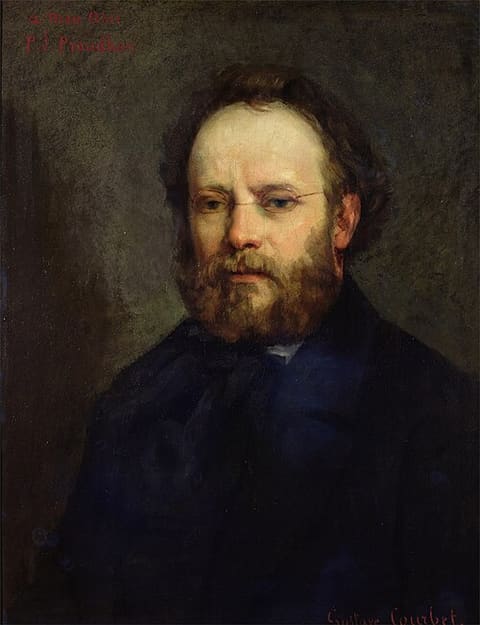
A French philosopher, Proudhon was the first to declare himself an anarchist and formulated mutualism, defending fair exchange, free credit, and use-based property, with the famous phrase that property is theft.
Closest by facet
Each facet compares three axes: governance (power distribution, representation, civil liberties), culture (integration, religion, social norms), or economy (ownership, coordination, trade). Full-profile similarity compares all twelve.
Other nearby figures
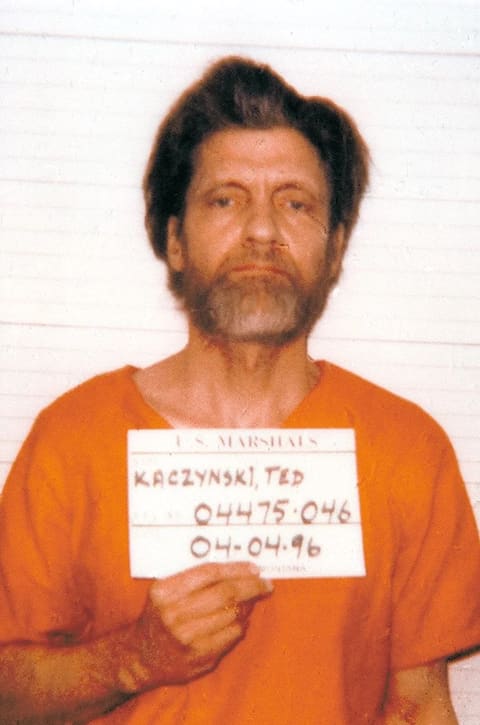
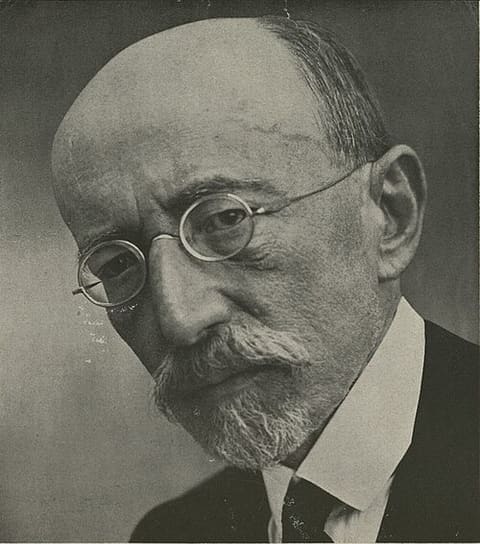
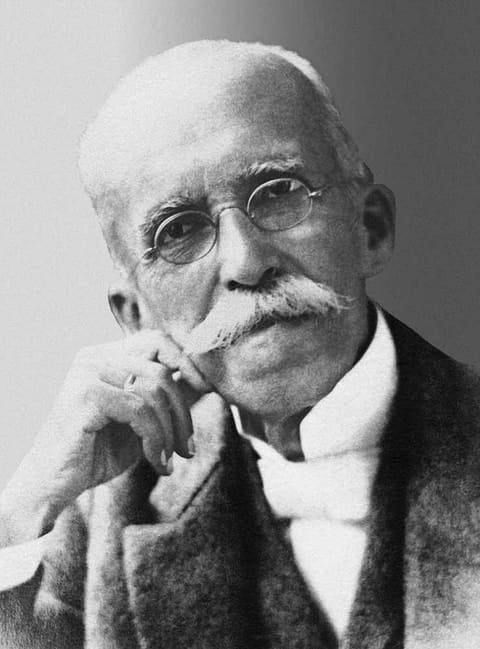
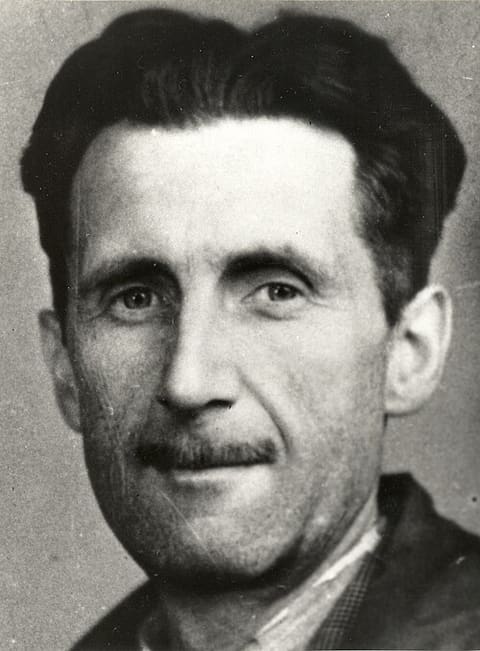
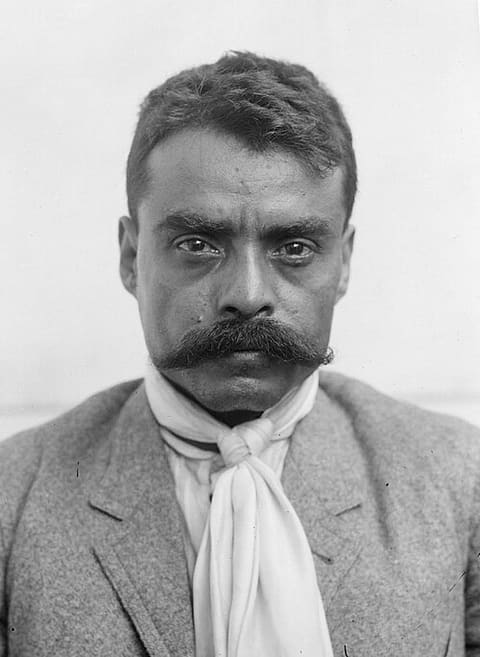
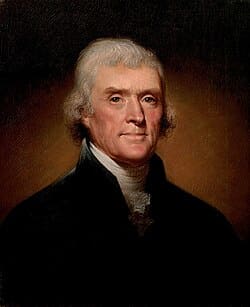
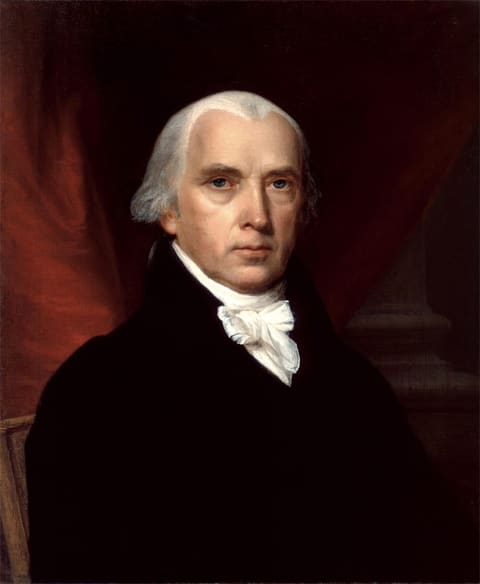
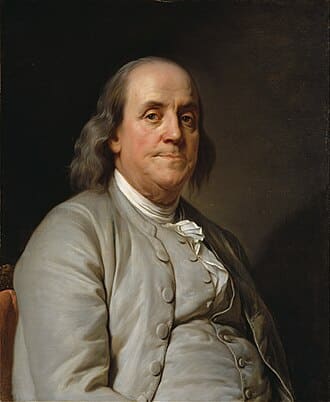
Most distant figures
Scores below are similarity indices out of 100, calculated from catalog coordinates. They do not establish historical influence or endorsement. How the comparison works ↗
Related Doctrines
Scores below are similarity indices out of 100, calculated from catalog coordinates. They do not establish historical influence or endorsement. How the comparison works ↗
Most compatible among the 257 schools
Republican tradition that idealizes the small landowning farmer as the basis of civic virtue and liberty, advocating wide distribution of land, limited and decentralized government, and distrust of banks, public debt, industry and large cities.
A system in which citizens decide laws directly through referendums, popular initiatives, assemblies and recall of officials, instead of delegating to representatives, as in the Swiss cantons and classical Athens.
Current of John Zerzan and Ted Kaczynski that sees industrial civilization and agriculture itself as the root of domination, calling for the end of modern technology and a return to small stateless hunter-gatherer communities.
Most distant ideology
FascismThird position43.6 / 100