Neocameralism
A doctrine of Curtis Yarvin that proposes running the state as a joint-stock company: shareholders, a sovereign CEO, citizens as customers who can leave, guaranteed private property and politics replaced by management.
Ownfacet / Politype / Ideologies / Neocameralism
A doctrine of Curtis Yarvin that proposes running the state as a joint-stock company: shareholders, a sovereign CEO, citizens as customers who can leave, guaranteed private property and politics replaced by management.
EDITORIAL SUMMARY
I want a state run as a company, with shareholders and a sovereign CEO, no politics or elections, where citizens are customers free to leave.
Sources below support the specific identity or context claims indicated. They do not validate this profile’s editorial category labels, twelve numerical coordinates, closest matches, or every statement in its description.
Review statuses describe scoped, agent-assisted checks against cited sources. They are not an independent human expert certification.
A documented source review is still pending for this entry. Treat its description and coordinates as an atlas interpretation.
How to interpret catalog profilesPolitical Axes
These coordinates are editorial interpretations. The two pole scores add to 100; they describe a position in this model, rather than a probability. Read how catalog profiles are interpreted ↗
This position is 54.5 points from the median of the 257 ideology profiles in this collection.
This is the largest distance from this collection’s median across the twelve axes. The collection is not a survey of public opinion.
This position is 0.5 points from this collection’s median.
This is the smallest median distance across the twelve axes; it does not establish a historical or political consensus.
Scores below are similarity indices out of 100, calculated from catalog coordinates. They do not establish historical influence or endorsement. How the comparison works ↗

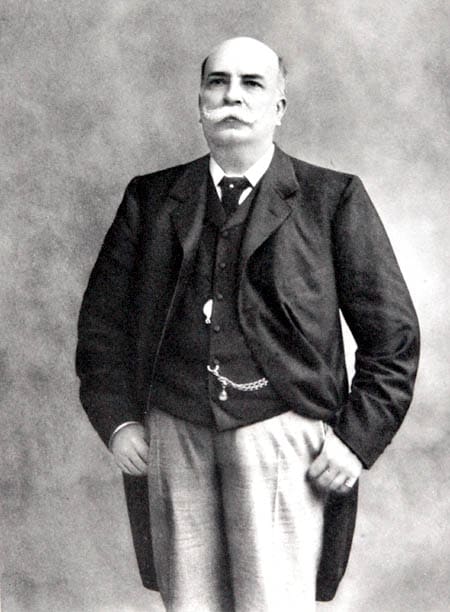
A Brazilian economist and diplomat, Campos served as planning minister under the military regime, created the Central Bank and the housing bank, and became the country's most influential advocate of economic liberalism and privatisation.
Closest by facet
Each facet compares three axes: governance (power distribution, representation, civil liberties), culture (integration, religion, social norms), or economy (ownership, coordination, trade). Full-profile similarity compares all twelve.

Other nearby figures
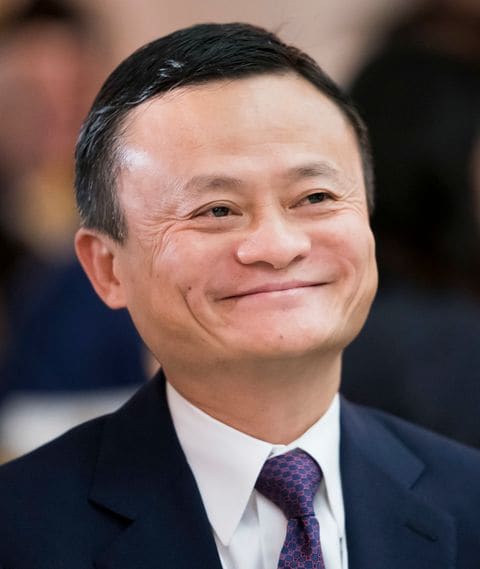

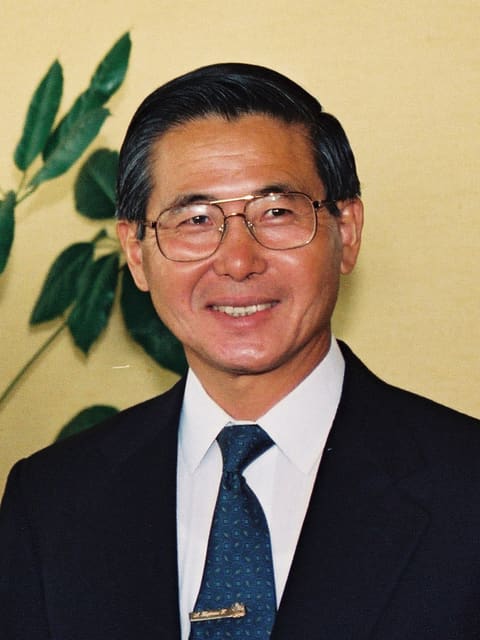

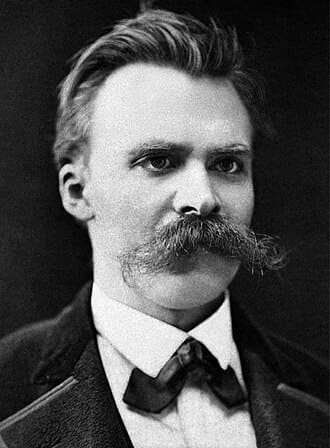
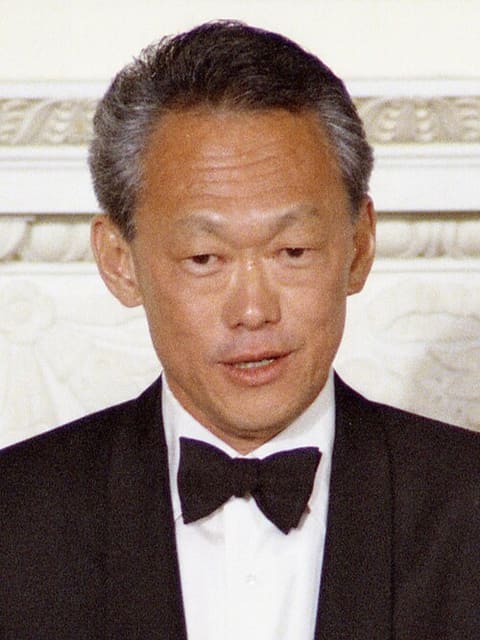
Most distant figures
Scores below are similarity indices out of 100, calculated from catalog coordinates. They do not establish historical influence or endorsement. How the comparison works ↗
Related Doctrines
Scores below are similarity indices out of 100, calculated from catalog coordinates. They do not establish historical influence or endorsement. How the comparison works ↗
Most compatible among the 257 schools
Synthesis of the Asian Tigers: entrusts government to a merit-recruited technical elite insulated from the vote and guided by results rather than doctrine, combining free trade, open markets and low taxation with strict public order and state planning where it proves effective.
Dynastic microstate model that trades political sovereignty for prosperity: a hereditary prince with real power, minimal taxation, secrecy and financial services as the revenue base, openness to foreign capital and residents, and no standing army.
Current that combines a market economy, private property, trade openness, and technocracy with low democratic participation, holding that a strong, efficient state should preserve order, stability, and growth.
Most distant ideology
CommunalismAnarchist45.5 / 100