Ordoliberalism
German liberal school that defends the free market within firm rules guaranteed by the state, fighting monopolies and ensuring competition and stability, serving as the basis of the social market economy.
Ownfacet / Politype / Ideologies / Ordoliberalism
German liberal school that defends the free market within firm rules guaranteed by the state, fighting monopolies and ensuring competition and stability, serving as the basis of the social market economy.
EDITORIAL SUMMARY
I want a free market disciplined by firm state rules, that prevent monopolies and sustain the social market economy.
Sources below support the specific identity or context claims indicated. They do not validate this profile’s editorial category labels, twelve numerical coordinates, closest matches, or every statement in its description.
Review statuses describe scoped, agent-assisted checks against cited sources. They are not an independent human expert certification.
A documented source review is still pending for this entry. Treat its description and coordinates as an atlas interpretation.
How to interpret catalog profilesPolitical Axes
These coordinates are editorial interpretations. The two pole scores add to 100; they describe a position in this model, rather than a probability. Read how catalog profiles are interpreted ↗
This position is 34.6 points from the median of the 257 ideology profiles in this collection.
This is the largest distance from this collection’s median across the twelve axes. The collection is not a survey of public opinion.
This position is 3.7 points from this collection’s median.
This is the smallest median distance across the twelve axes; it does not establish a historical or political consensus.
Scores below are similarity indices out of 100, calculated from catalog coordinates. They do not establish historical influence or endorsement. How the comparison works ↗
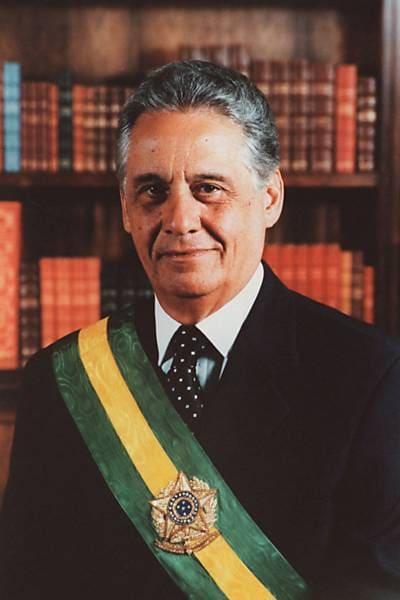
A Brazilian sociologist and statesman, Fernando Henrique stabilized the economy with the Real Plan and, as president, conducted liberal reforms, privatizations, and the modernization of the state within social democracy.
Closest by facet
Each facet compares three axes: governance (power distribution, representation, civil liberties), culture (integration, religion, social norms), or economy (ownership, coordination, trade). Full-profile similarity compares all twelve.
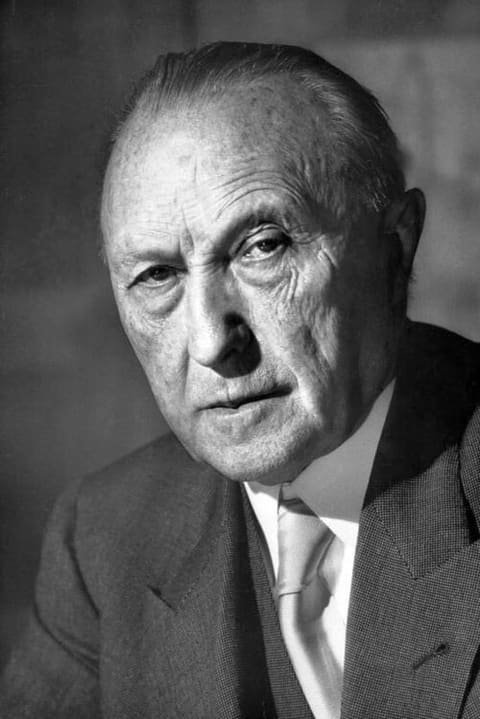
Other nearby figures

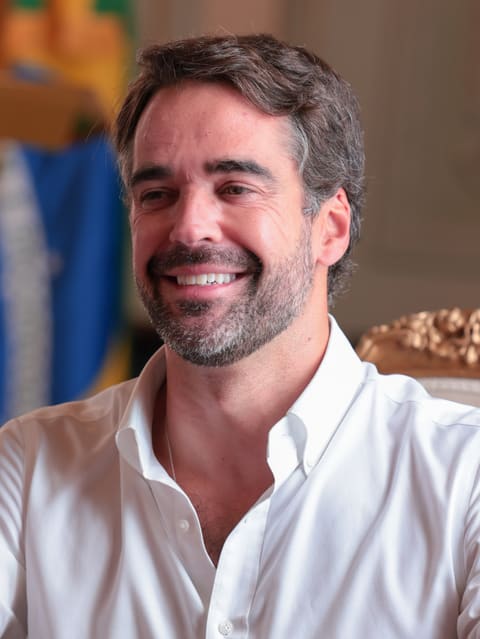


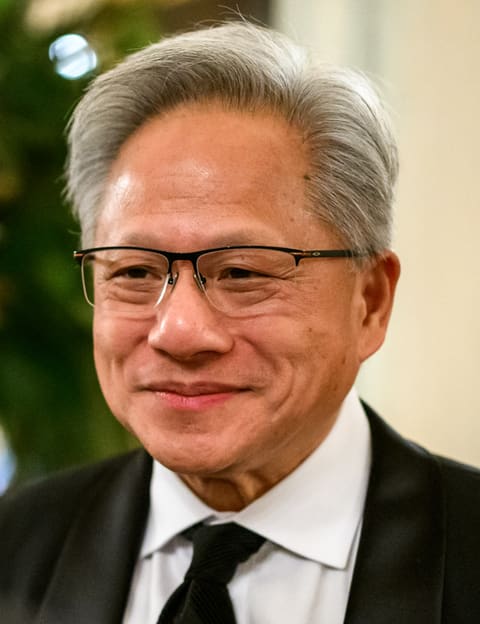

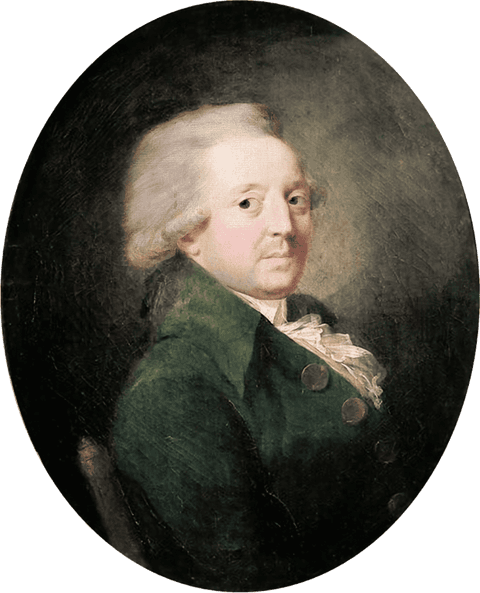

Most distant figures
Scores below are similarity indices out of 100, calculated from catalog coordinates. They do not establish historical influence or endorsement. How the comparison works ↗
Related Doctrines
Scores below are similarity indices out of 100, calculated from catalog coordinates. They do not establish historical influence or endorsement. How the comparison works ↗
Most compatible among the 257 schools
Scandinavian model combining tripartite collective bargaining among unions, employers and the state, a universalist welfare state funded by high taxes, and an open, export-driven market economy, with strong social consensus and low inequality.
Current of Brazil's PSDB, founded in 1988 by Covas, Montoro and Cardoso, joining a market economy, social state, state reform and fiscal responsibility with parliamentarism and moderation on social issues.
Principle according to which positions and rewards should be distributed by talent, effort, and performance rather than origin or privilege, defending equal opportunity and selection by ability.
Most distant ideology
Clerical FascismThird position45.9 / 100