Quilombism
Political project developed by Abdias Nascimento from the history of Brazil's quilombos. It advocates racial equality, Afro-Brazilian self-determination, participatory democracy, a cooperative economy and land held for collective use.
Ownfacet / Politype / Ideologies / Quilombism
Political project developed by Abdias Nascimento from the history of Brazil's quilombos. It advocates racial equality, Afro-Brazilian self-determination, participatory democracy, a cooperative economy and land held for collective use.
EDITORIAL SUMMARY
I want a quilombist state with racial equality and popular participation, collective land and production organised through cooperatives.
Sources below support the specific identity or context claims indicated. They do not validate this profile’s editorial category labels, twelve numerical coordinates, closest matches, or every statement in its description.
Review statuses describe scoped, agent-assisted checks against cited sources. They are not an independent human expert certification.
A documented source review is still pending for this entry. Treat its description and coordinates as an atlas interpretation.
How to interpret catalog profilesPolitical Axes
These coordinates are editorial interpretations. The two pole scores add to 100; they describe a position in this model, rather than a probability. Read how catalog profiles are interpreted ↗
This position is 47.5 points from the median of the 257 ideology profiles in this collection.
This is the largest distance from this collection’s median across the twelve axes. The collection is not a survey of public opinion.
This position is 1.3 points from this collection’s median.
This is the smallest median distance across the twelve axes; it does not establish a historical or political consensus.
Scores below are similarity indices out of 100, calculated from catalog coordinates. They do not establish historical influence or endorsement. How the comparison works ↗
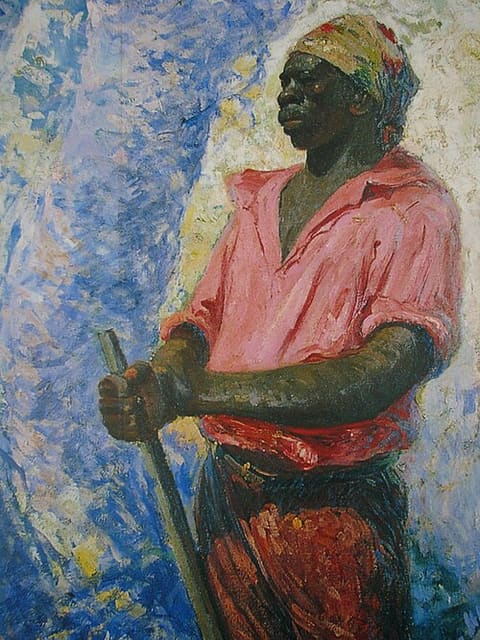
The last great leader of Palmares, the largest settlement of escaped slaves in the Americas, Zumbi resisted colonial expeditions for decades in defense of freedom for thousands of enslaved Africans and their descendants, becoming a foremost symbol of anti-slavery resistance.
Closest by facet
Each facet compares three axes: governance (power distribution, representation, civil liberties), culture (integration, religion, social norms), or economy (ownership, coordination, trade). Full-profile similarity compares all twelve.
Other nearby figures

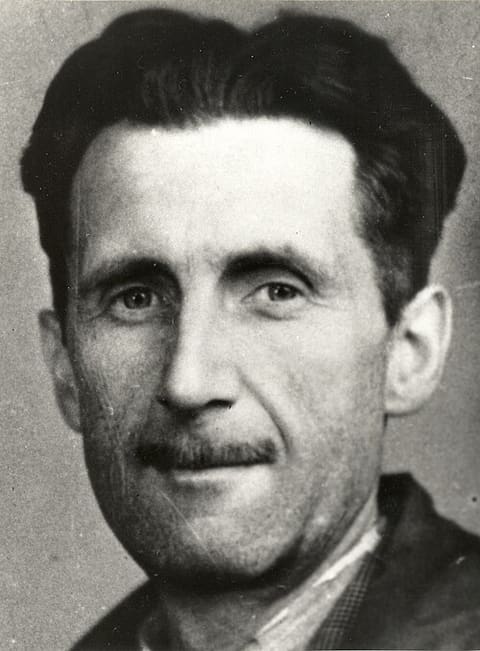
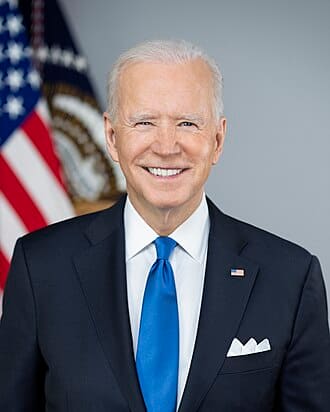


Most distant figures
Scores below are similarity indices out of 100, calculated from catalog coordinates. They do not establish historical influence or endorsement. How the comparison works ↗
Related Doctrines
Scores below are similarity indices out of 100, calculated from catalog coordinates. They do not establish historical influence or endorsement. How the comparison works ↗
Most compatible among the 257 schools
Current that rejects the parliamentary and reformist path, betting on the general strike and the mobilising myth: direct union action and proletarian violence should destroy the state and the decadent bourgeoisie.
Centrism taken to its limit: it refuses any leaning on principle and seeks exact equidistance between every pole, from economics to morality, treating each political axis as a balance point to be preserved.
Current of Thomas Müntzer, the peasants of 1525 and guerrilla priests such as Camilo Torres, seeking the Kingdom of God on earth through revolution, with common property and the rule of the poor imposed by force.
Most distant ideology
Juche SocialismRadical left52.9 / 100