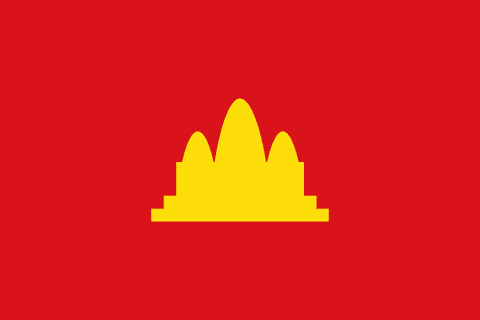
Pol Pot Socialism
Radical agrarian communism of the Khmer Rouge that emptied cities, abolished money and markets, and pursued an egalitarian peasant society by force, causing one of the greatest genocides of the 20th century in Cambodia.
Ownfacet / Politype / Ideologies / Pol Pot Socialism
Radical agrarian communism of the Khmer Rouge that emptied cities, abolished money and markets, and pursued an egalitarian peasant society by force, causing one of the greatest genocides of the 20th century in Cambodia.
EDITORIAL SUMMARY
I want an egalitarian peasant society, without cities, money or markets, rebuilt by force under the revolutionary Angkar.
Sources below support the specific identity or context claims indicated. They do not validate this profile’s editorial category labels, twelve numerical coordinates, closest matches, or every statement in its description.
Review statuses describe scoped, agent-assisted checks against cited sources. They are not an independent human expert certification.
A documented source review is still pending for this entry. Treat its description and coordinates as an atlas interpretation.
How to interpret catalog profilesPolitical Axes
These coordinates are editorial interpretations. The two pole scores add to 100; they describe a position in this model, rather than a probability. Read how catalog profiles are interpreted ↗
This position is 51.3 points from the median of the 257 ideology profiles in this collection.
This is the largest distance from this collection’s median across the twelve axes. The collection is not a survey of public opinion.
This position is 0.0 points from this collection’s median.
This is the smallest median distance across the twelve axes; it does not establish a historical or political consensus.
Scores below are similarity indices out of 100, calculated from catalog coordinates. They do not establish historical influence or endorsement. How the comparison works ↗
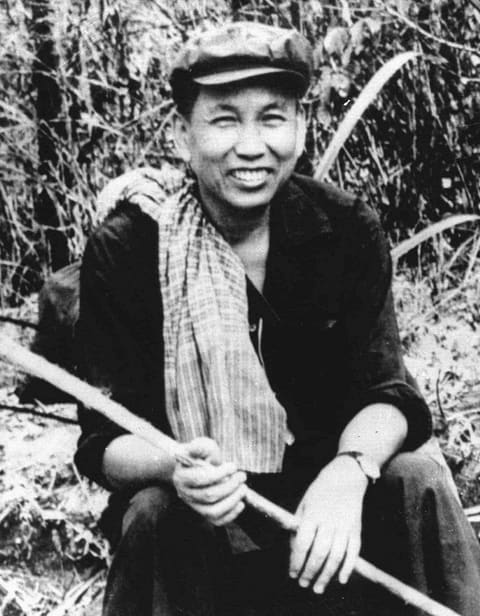
Leader of the Khmer Rouge in Cambodia, Pol Pot imposed radical agrarian communism that emptied the cities and abolished property, causing one of the greatest genocides of the 20th century in the name of a peasant utopia.
Closest by facet
Each facet compares three axes: governance (power distribution, representation, civil liberties), culture (integration, religion, social norms), or economy (ownership, coordination, trade). Full-profile similarity compares all twelve.
Other nearby figures
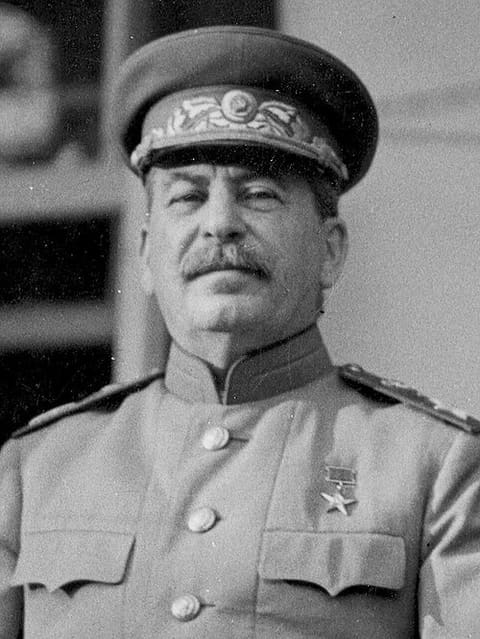
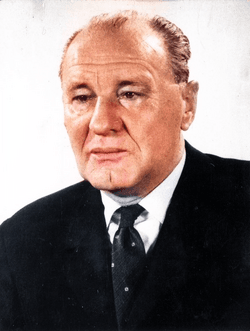
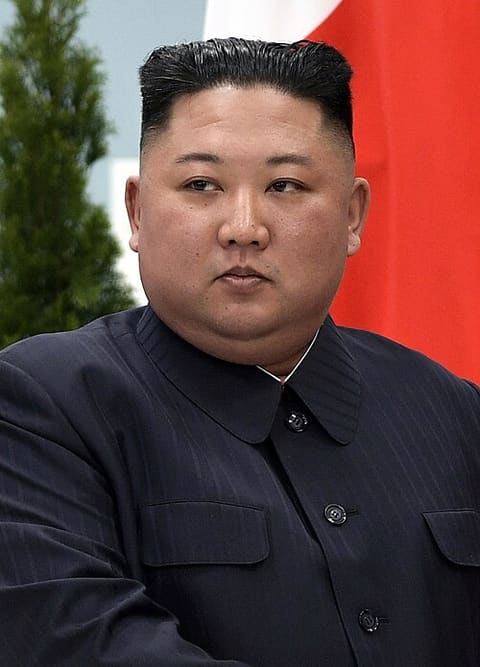
Most distant figures
Scores below are similarity indices out of 100, calculated from catalog coordinates. They do not establish historical influence or endorsement. How the comparison works ↗
Related Doctrines
Scores below are similarity indices out of 100, calculated from catalog coordinates. They do not establish historical influence or endorsement. How the comparison works ↗
Most compatible among the 257 schools
Revolutionary model that idealizes peasant life and collective rural production, rejecting cities, markets, and private property in favor of an equality imposed by state mobilization and communal discipline.
Regime that fuses fascism's authoritarian aesthetics and hierarchy, with a strong leader, order and national discipline, to a socialist economy of collectivization, nationalized enterprise and central planning of the means of production.
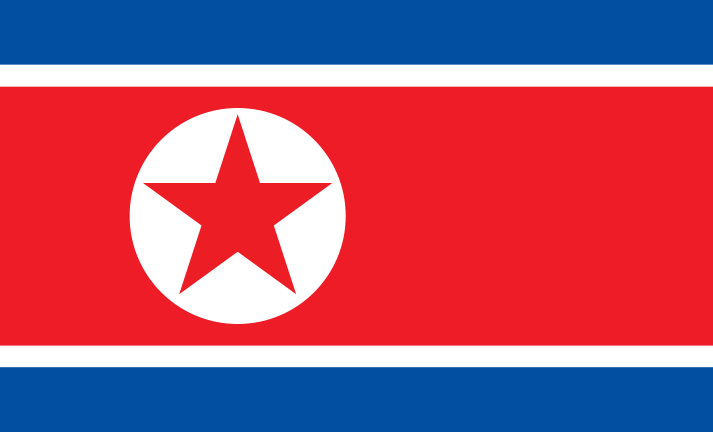
North Korean doctrine formulated by Kim Il-sung that combines state socialism, national self-reliance, single-party rule, a cult of the leader, militarization, and rejection of external dependence, subordinating economy and society to the regime's sovereignty.
Most distant ideology
Crypto-AnarchismLibertarian26.6 / 100