Socialism
Family of views seeking social ownership or democratic control of productive resources to reduce domination and inequality. Socialist traditions differ on markets, planning, the role of the state, and how transformation should occur.
Ownfacet / Politype / Ideologies / Socialism
Family of views seeking social ownership or democratic control of productive resources to reduce domination and inequality. Socialist traditions differ on markets, planning, the role of the state, and how transformation should occur.
EDITORIAL SUMMARY
I want a society without exploitation, with collective means of production and economic planning replacing the capitalist market.
Sources below support the specific identity or context claims indicated. They do not validate this profile’s editorial category labels, twelve numerical coordinates, closest matches, or every statement in its description.
Review statuses describe scoped, agent-assisted checks against cited sources. They are not an independent human expert certification.
Social ownership, economic democracy, markets, and planning differ among socialist traditions; social democratic reforms retain a capitalist economy.
Latest recorded identity or description review: .
How to interpret catalog profilesPolitical Axes
These coordinates are editorial interpretations. The two pole scores add to 100; they describe a position in this model, rather than a probability. Read how catalog profiles are interpreted ↗
This position is 32.5 points from the median of the 257 ideology profiles in this collection.
This is the largest distance from this collection’s median across the twelve axes. The collection is not a survey of public opinion.
This position is 2.5 points from this collection’s median.
This is the smallest median distance across the twelve axes; it does not establish a historical or political consensus.
Scores below are similarity indices out of 100, calculated from catalog coordinates. They do not establish historical influence or endorsement. How the comparison works ↗
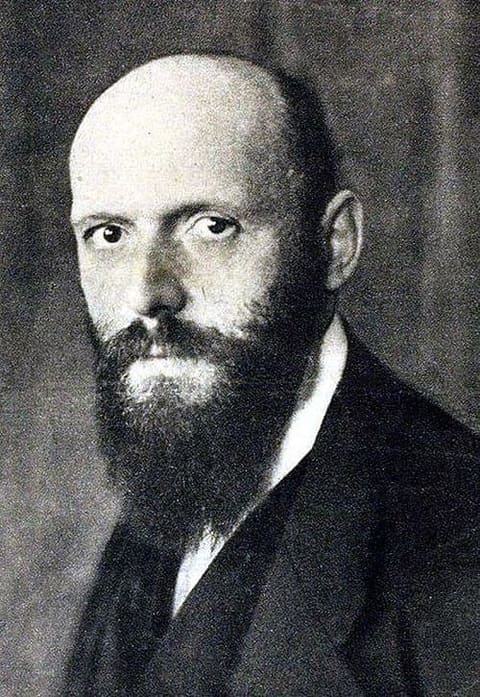
An Austrian philosopher and economist, Neurath championed a planned economy and the technical administration of production, rejecting the market and also creating the visual language of data known as Isotype.
Closest by facet
Each facet compares three axes: governance (power distribution, representation, civil liberties), culture (integration, religion, social norms), or economy (ownership, coordination, trade). Full-profile similarity compares all twelve.
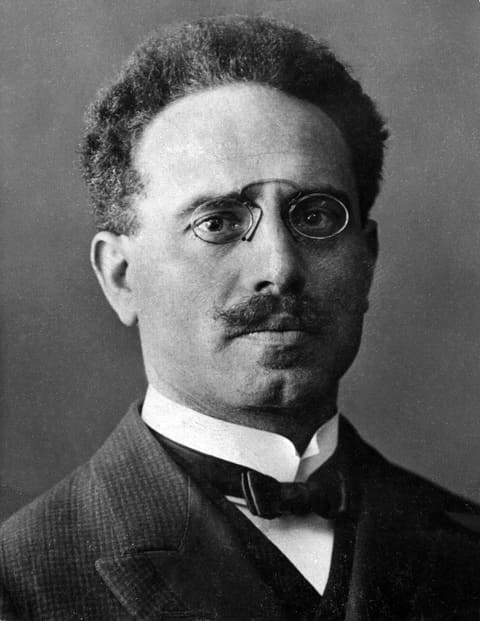
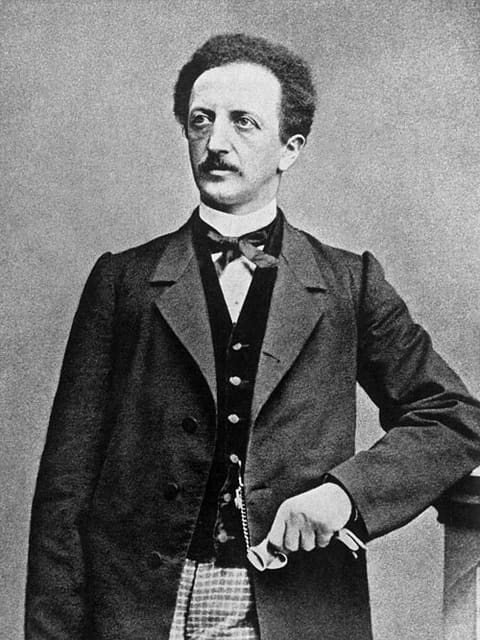
Other nearby figures
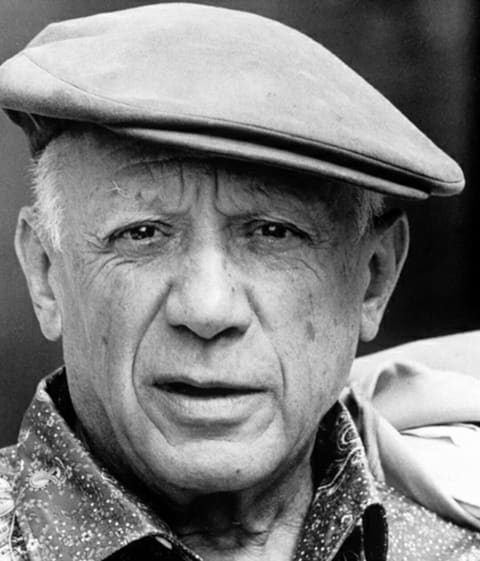
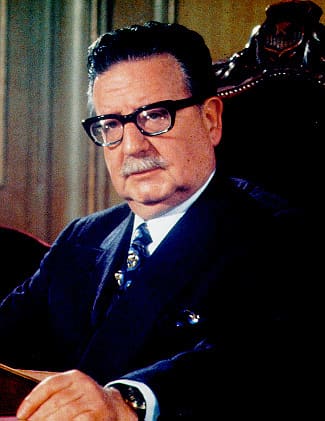

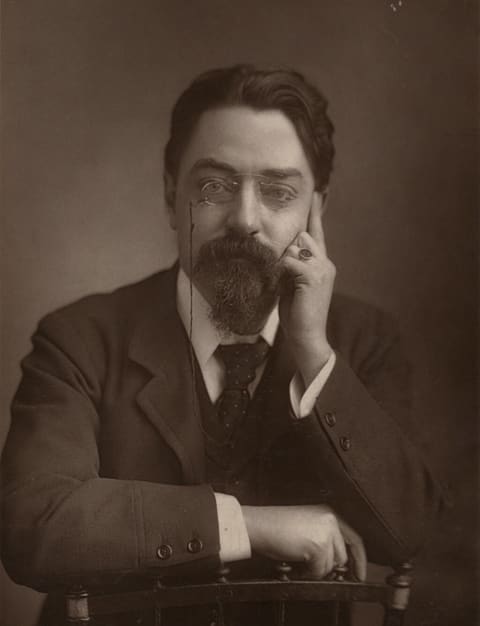



Most distant figures
Scores below are similarity indices out of 100, calculated from catalog coordinates. They do not establish historical influence or endorsement. How the comparison works ↗
Related Doctrines
Scores below are similarity indices out of 100, calculated from catalog coordinates. They do not establish historical influence or endorsement. How the comparison works ↗
Most compatible among the 257 schools
Model that combines socialist planning with scientific management of the economy, entrusting expert committees, rather than elections or party competition, with the rational organization of production and the egalitarian distribution of society's resources.
Current that mobilizes the people against economic elites, defending redistribution, public control, national sovereignty, plebiscitary democracy, and broad social policy in popular anti-establishment language.
System in which collectively or publicly owned enterprises compete in markets, uniting the efficiency of competition with the socialist distribution of profits, without the rigid central planning of state economies.
Most distant ideology
Confederate ConservatismRight41.7 / 100