Buddhist Theocracy
Rule by a Buddhist monastic hierarchy, with reincarnated leaders and monasteries dominating politics and land, traditional order and moral precepts as law, as in the Tibet of the Dalai Lama before 1950.
Ownfacet / Politype / Ideologies / Buddhist Theocracy
Rule by a Buddhist monastic hierarchy, with reincarnated leaders and monasteries dominating politics and land, traditional order and moral precepts as law, as in the Tibet of the Dalai Lama before 1950.
EDITORIAL SUMMARY
I want a society ruled by the sangha, with reincarnated lamas in command, the five precepts as law and the traditional order above elections.
Sources below support the specific identity or context claims indicated. They do not validate this profile’s editorial category labels, twelve numerical coordinates, closest matches, or every statement in its description.
Review statuses describe scoped, agent-assisted checks against cited sources. They are not an independent human expert certification.
A documented source review is still pending for this entry. Treat its description and coordinates as an atlas interpretation.
How to interpret catalog profilesPolitical Axes
These coordinates are editorial interpretations. The two pole scores add to 100; they describe a position in this model, rather than a probability. Read how catalog profiles are interpreted ↗
This position is 54.3 points from the median of the 257 ideology profiles in this collection.
This is the largest distance from this collection’s median across the twelve axes. The collection is not a survey of public opinion.
This position is 0.3 points from this collection’s median.
This is the smallest median distance across the twelve axes; it does not establish a historical or political consensus.
Scores below are similarity indices out of 100, calculated from catalog coordinates. They do not establish historical influence or endorsement. How the comparison works ↗
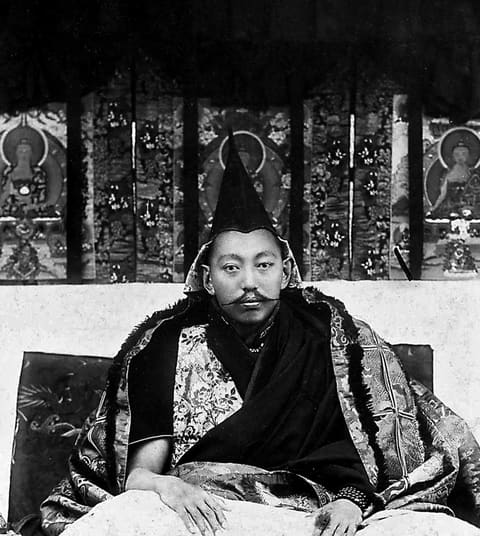
Head of theocratic Tibet, the 13th Dalai Lama expelled the Chinese and proclaimed independence in 1913, built an army, post and currency, backed down before the monasteries by closing the English school, and warned against communism in 1932.
Closest by facet
Each facet compares three axes: governance (power distribution, representation, civil liberties), culture (integration, religion, social norms), or economy (ownership, coordination, trade). Full-profile similarity compares all twelve.

Other nearby figures

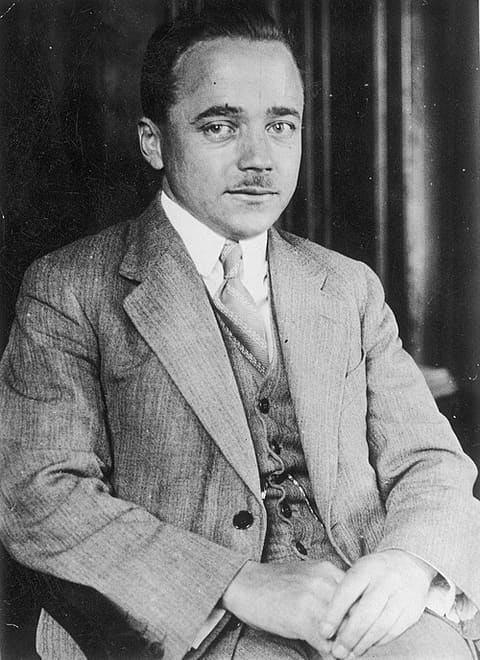
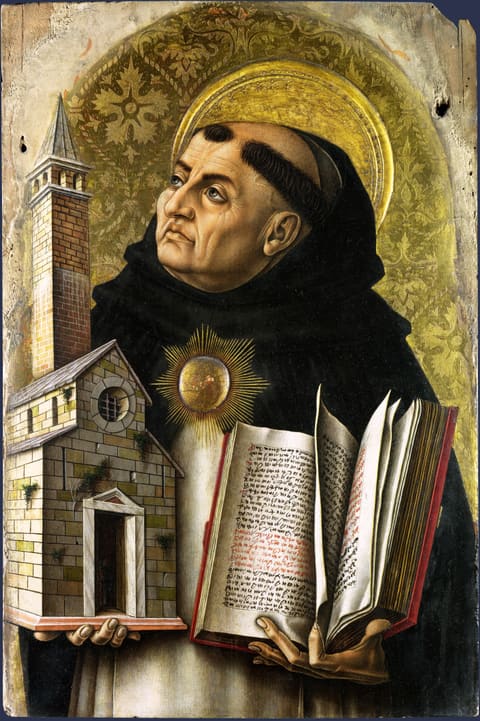
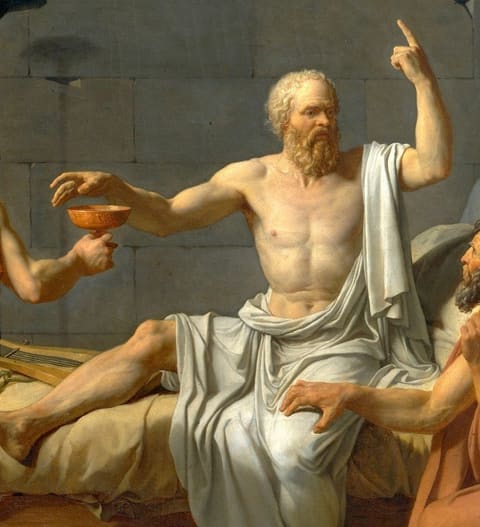
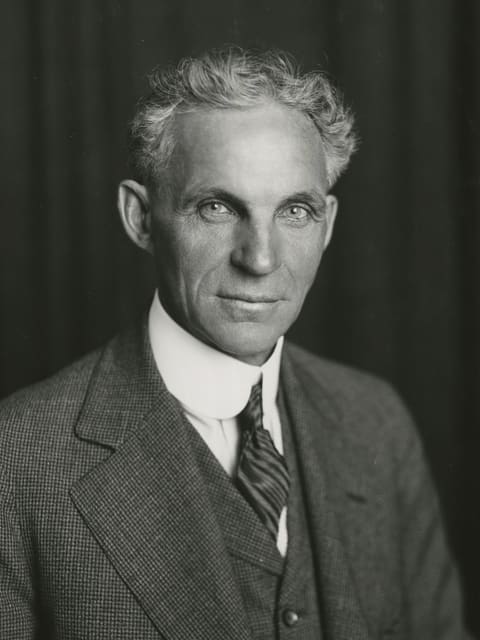
Most distant figures
Scores below are similarity indices out of 100, calculated from catalog coordinates. They do not establish historical influence or endorsement. How the comparison works ↗
Related Doctrines
Scores below are similarity indices out of 100, calculated from catalog coordinates. They do not establish historical influence or endorsement. How the comparison works ↗
Most compatible among the 257 schools
Social doctrine of the Catholic Church, combining traditionalist morality and defense of life with concern for social justice, subsidiarity and worker dignity, under the hierarchical authority of the papacy and canon law.
Doctrine that grounds political order in the ruler's virtue, ritual hierarchy and filial piety, favouring bureaucratic merit and moral education over coercive law or popular participation.
Government ruled by the Torah and halakha, with rabbinical courts, judges or kings under religious authority, Judaism as the state religion and rejection of assimilation, inspired by the biblical kingdoms of Israel and Judah.
Most distant ideology
Techno-CommunismAnarchist36.6 / 100