The atlas / People
The people behind the ideas.
Meet the leaders, thinkers, and activists who shaped political life. Explore their perspectives—and the ideas, places, and people closest to them.
449 profiles
Twelve dimensions in every profileSearch and filter the whole collection →
- Political theory
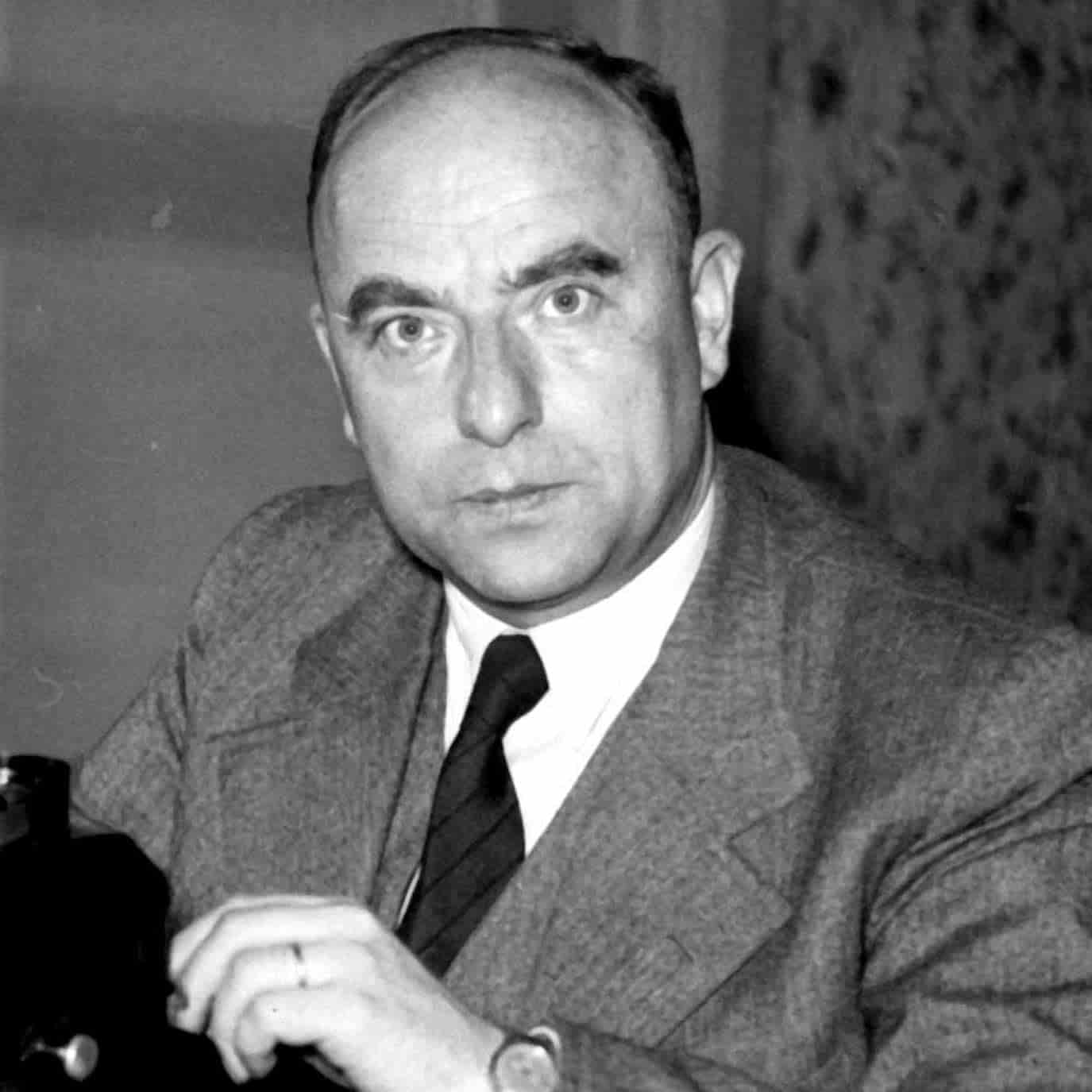
Otto Strasser
Brother of Gregor Strasser, he broke with Hitler in 1930 and founded the Black Front, championing an anti-capitalist, federalist and Christian national socialism with land for peasants; exiled, he returned to Germany in 1955.
- Politics
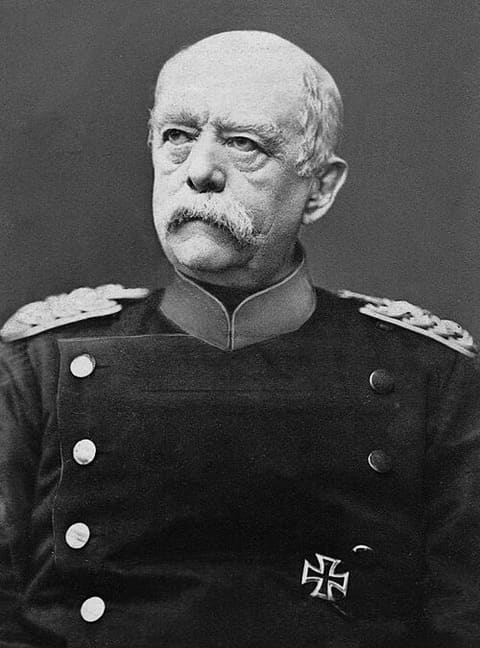
Otto von Bismarck
The unifier of Germany, Bismarck created the first modern welfare state, using conservative social reforms to contain socialism and strengthen order, and steered European diplomacy for decades.
- Politics
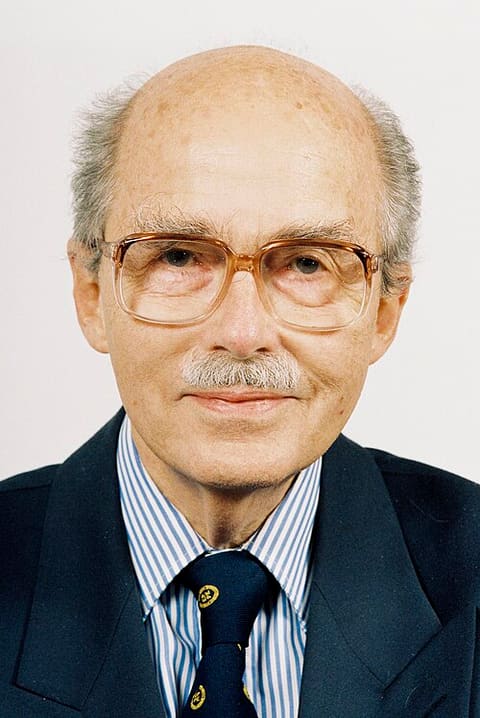
Otto von Habsburg
An Austrian politician and heir of the Habsburgs, Otto was a defender of constitutional monarchy, European federalism, and continental integration, serving for decades as a European parliamentarian and critic of totalitarianism.
- Business
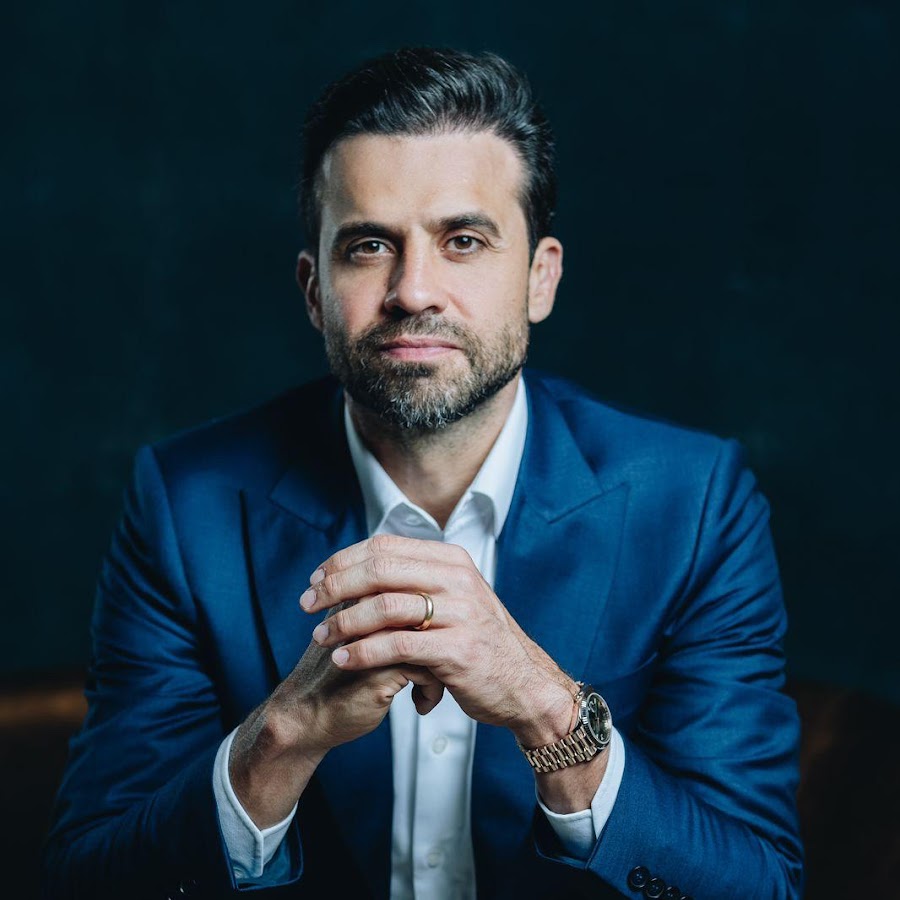
Pablo Marçal
Evangelical entrepreneur and influencer whose 2026 presidential registration was denied. He advocates an entrepreneurial society, privatization, digital technocratic management and a national crackdown on gangs, combining tax cuts with continued cash transfers.
- Intellectual life
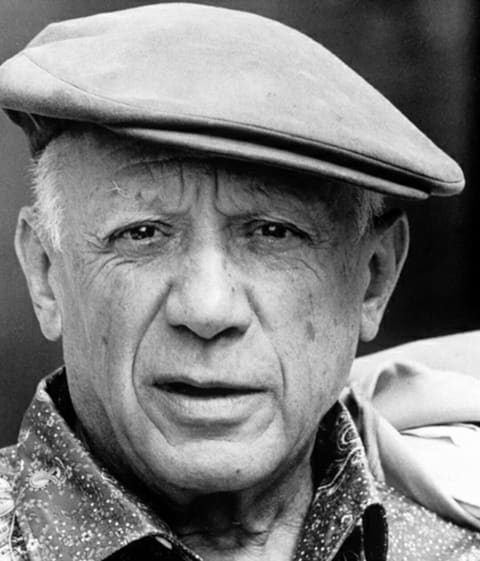
Pablo Picasso
Spanish painter and co-founder of Cubism, Picasso painted Guernica against the Francoist bombing, joined the French Communist Party in 1944, backed the Soviet-led peace movement and never returned to Franco's Spain.
- Politics
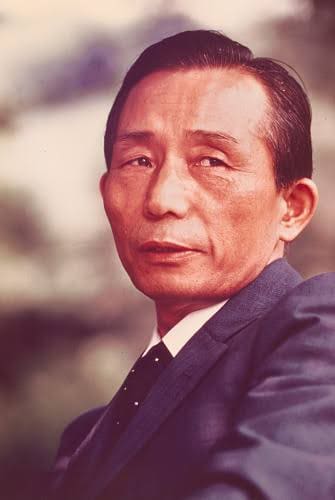
Park Chung-hee
A South Korean dictator, Park Chung-hee led an authoritarian developmentalist regime that rapidly industrialized South Korea through state planning and discipline, turning the country into an economic power.
- Economics
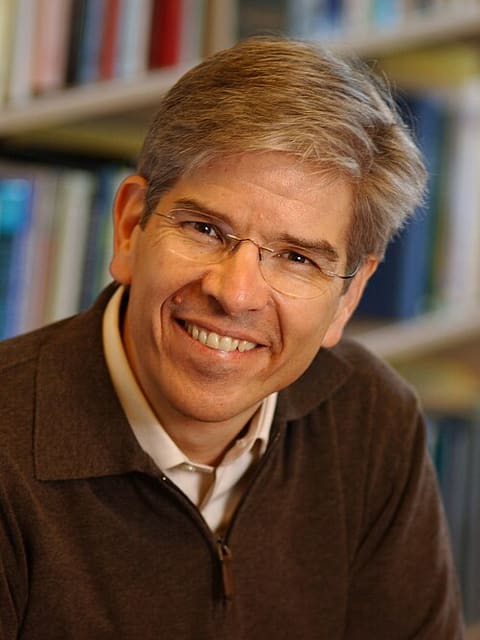
Paul Romer
An American economist, Romer is a reference of endogenous growth theory, showing how ideas, innovation, and knowledge drive development, and proposed charter cities as an institutional reform.
- Intellectual life
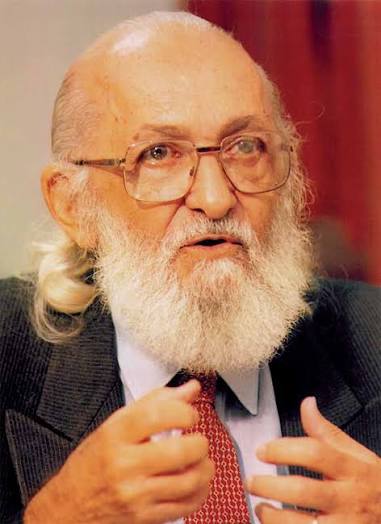
Paulo Freire
Brazilian educator and author of Pedagogy of the Oppressed, he created an adult literacy method based on political consciousness-raising. Exiled by the 1964 dictatorship, he was tied to Liberation Theology and later led São Paulo's schools for the Workers' Party.
- Economics
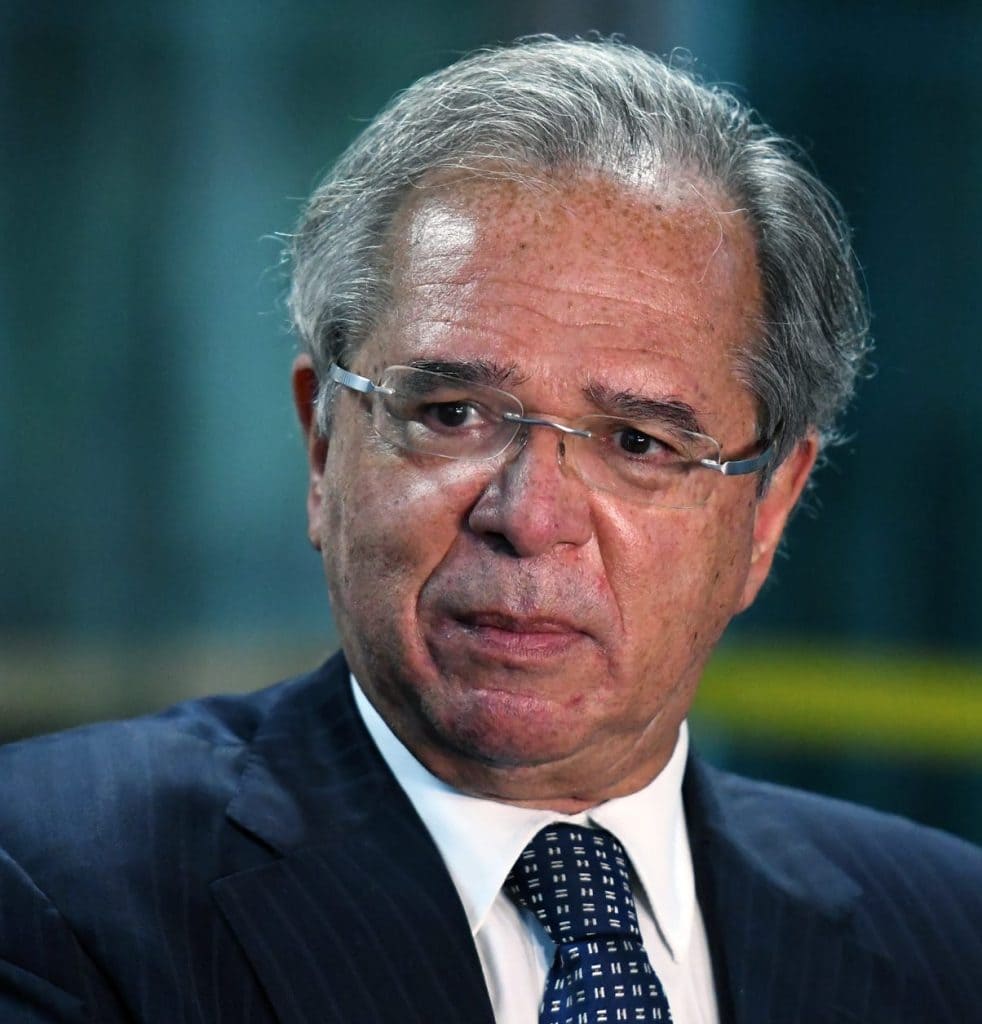
Paulo Guedes
A Chicago-trained economist and Bolsonaro's economy minister, Guedes delivered pension reform and central bank autonomy, preached sweeping privatisations that never happened, and loosened the federal spending cap.
- Politics
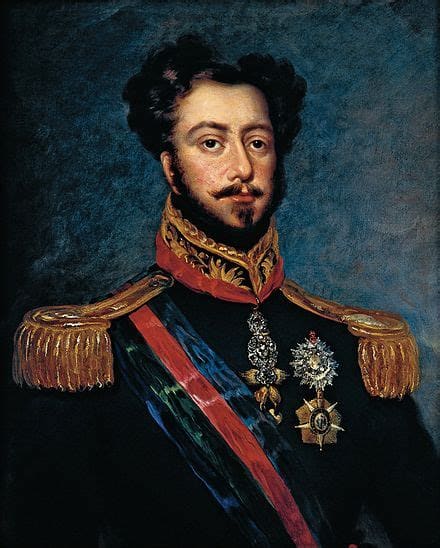
Pedro I of Brazil
Painted portrait
Brazil's first emperor, Pedro I led independence and established a centralized constitutional monarchy, reconciling dynastic liberalism, personal authority, territorial unity, and the defense of the imperial order.
- Politics
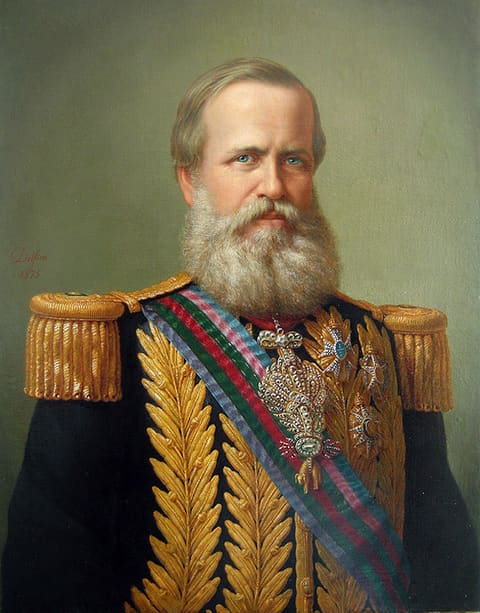
Pedro II of Brazil
Painted portrait
Brazil's second emperor, Pedro II governed as a constitutional monarch, valuing parliamentarism, institutional stability, science, education, and gradual abolition, preserving national unity under the moderating power.
- Politics
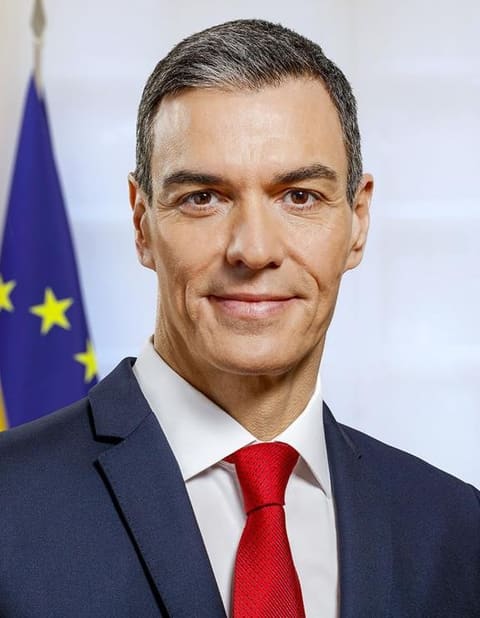
Pedro Sánchez
PSOE leader and Prime Minister of Spain since 2018, Sánchez governs in coalition with the left and support from pro-independence parties, promoting abortion, euthanasia, migrant regularization and a 2% rent cap, while refusing to raise military spending to NATO's 5% GDP target.
- Political theory
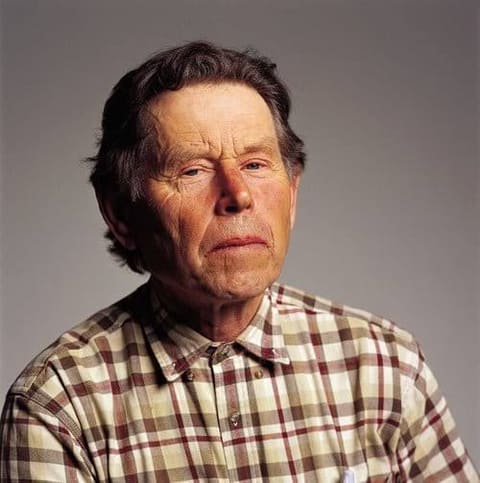
Pentti Linkola
A Finnish fisherman and thinker, Linkola advocated an anti-democratic, anti-technological deep ecology, with a strong state, an end to economic growth, and a drastic reduction of population to save the biosphere, becoming a reference of eco-authoritarianism.
- Politics
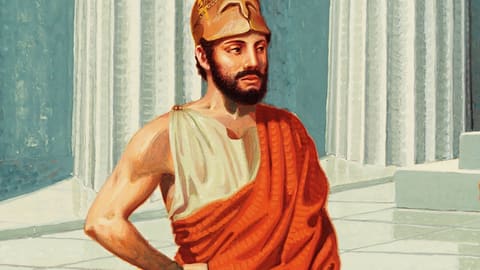
Pericles
Athenian statesman and general, Pericles led Athens through its democratic and cultural golden age, expanded popular participation in institutions, funded the Parthenon with the Delian League's treasury, and led the city into the Peloponnesian War.
- Political theory
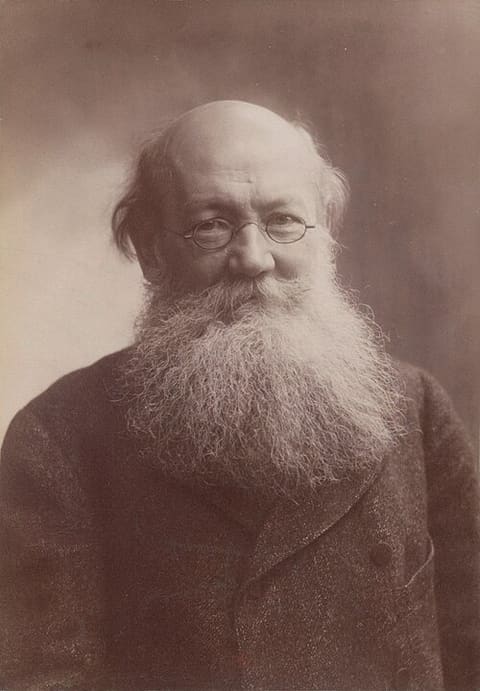
Peter Kropotkin
A Russian anarchist theorist, Kropotkin developed anarcho-communism and the idea of mutual aid as a factor of evolution, defending a stateless society based on cooperation, science, and free association.
- Activism
Peter Maurin
A French Christian activist, Maurin co-founded the Catholic Worker Movement, defending social justice, voluntary poverty, and communities of work and mutual aid inspired by the social doctrine of the Church.
- Politics
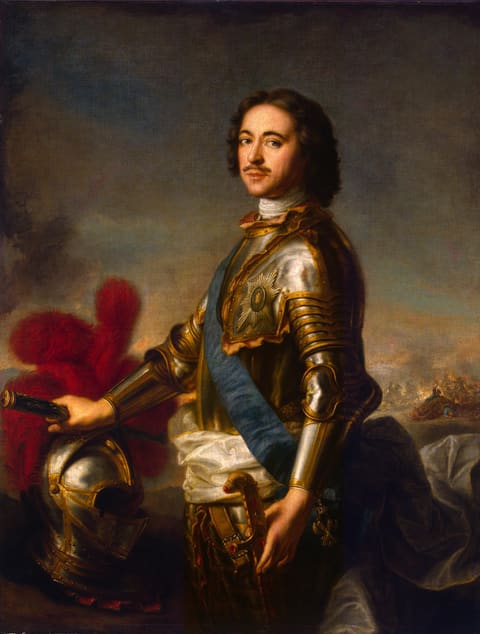
Peter the Great
Tsar of Russia from 1682 to 1725, Peter I forcibly modernized the Russian Empire, Europeanizing the nobility, creating a navy, and subordinating the Orthodox Church to the state.
- Business
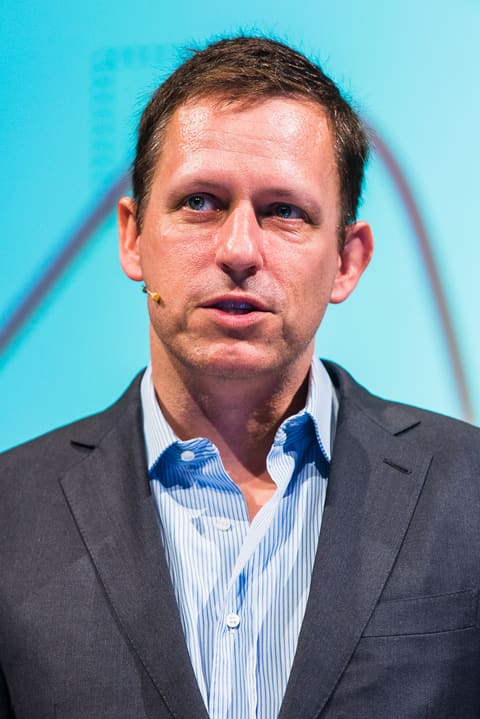
Peter Thiel
An American entrepreneur and investor, Thiel is an influential figure of tech capitalism and champions libertarian and neoreactionary ideas, skeptical of democracy and enthusiastic about disruptive innovation.
- Intellectual life
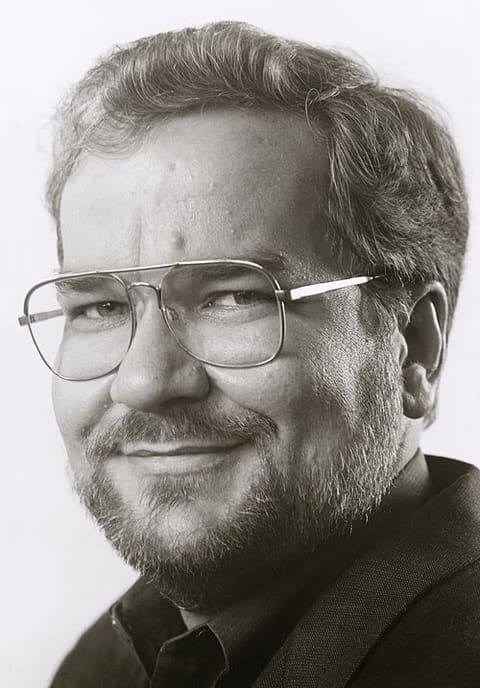
Phil Zimmermann
An American cryptographer, Zimmermann created PGP, making strong cryptography accessible to everyone and defending digital privacy as a right, becoming a reference for crypto-anarchism and civil liberties.
- Politics
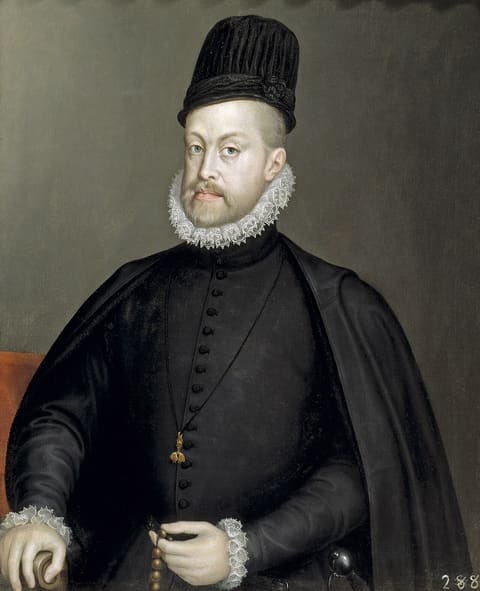
Philip II of Spain
Painted portrait
Philip II ruled the largest empire of his age, defending the Counter-Reformation, financing the Inquisition, confronting England, and centralizing the Spanish monarchy at El Escorial.
- Intellectual life
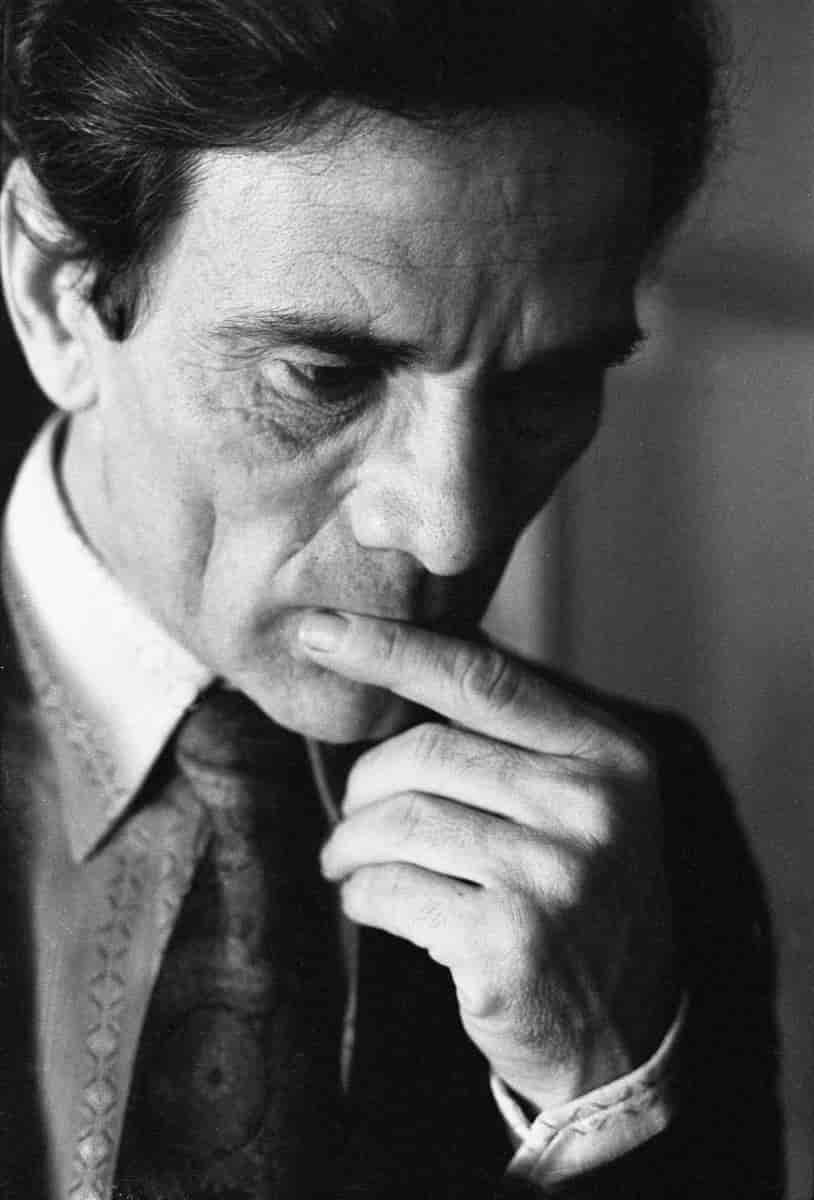
Pier Paolo Pasolini
Italian Marxist writer and filmmaker, Pasolini defended Friulian cultural autonomy and criticized consumerism and social homogenization. Persecuted for his homosexuality, he also opposed the liberalization of abortion.
- Political theory
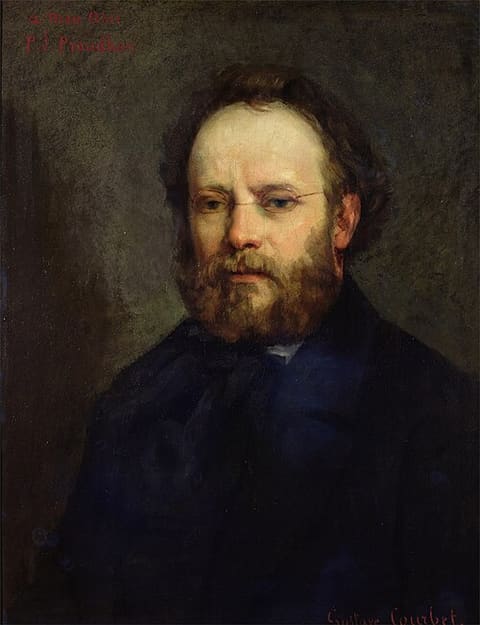
Pierre-Joseph Proudhon
A French philosopher, Proudhon was the first to declare himself an anarchist and formulated mutualism, defending fair exchange, free credit, and use-based property, with the famous phrase that property is theft.
- Philosophy
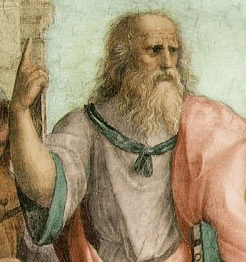
Plato
A Greek philosopher, Plato criticized Athenian democracy and imagined a city governed by philosophers, with rigid education, moral censorship, and the strong subordination of private interests to the harmony of the political community.
- Politics
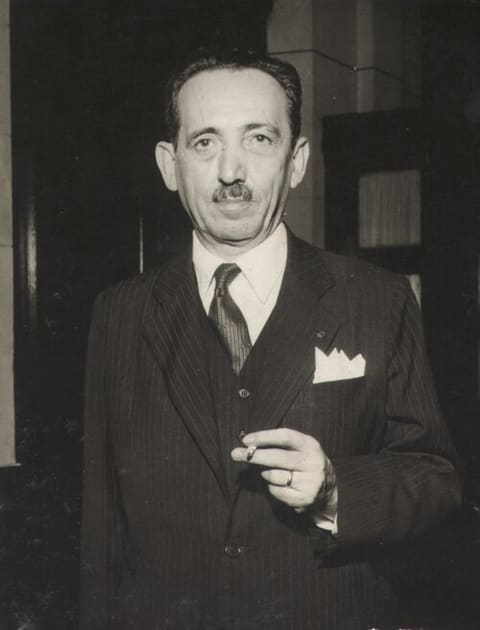
Plínio Salgado
Leader of Brazilian Integralism, Plínio Salgado created an authoritarian nationalist movement of Christian inspiration, with the motto God, Fatherland and Family and mass aesthetics inspired by the European fascisms of the 1930s.
No profiles found
Try a broader term or choose another filter.