The atlas / People
The people behind the ideas.
Meet the leaders, thinkers, and activists who shaped political life. Explore their perspectives—and the ideas, places, and people closest to them.
449 profiles
Twelve dimensions in every profileSearch and filter the whole collection →
- Philosophy
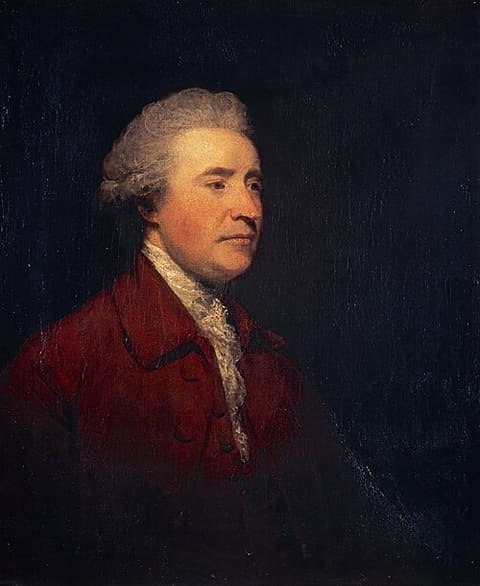
Edmund Burke
The father of modern conservatism, Burke defended prudent reform, tradition, and institutions against abstract rationalism and revolutionary rupture, harshly criticizing the excesses of the French Revolution.
- Political theory
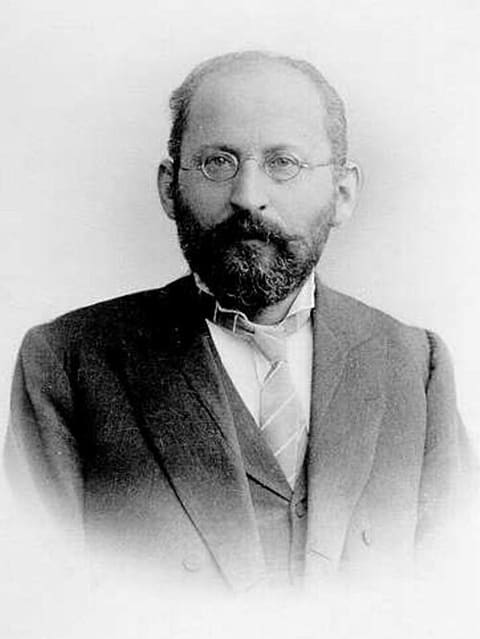
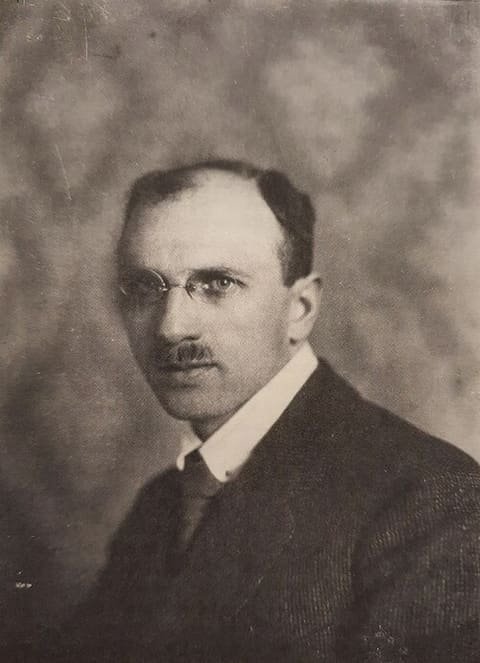
Eduard Bernstein
The father of Marxist revisionism, Bernstein championed a gradual, democratic transition to socialism through reforms, rejecting the inevitability of capitalist collapse and influencing modern social democracy.
- Politics
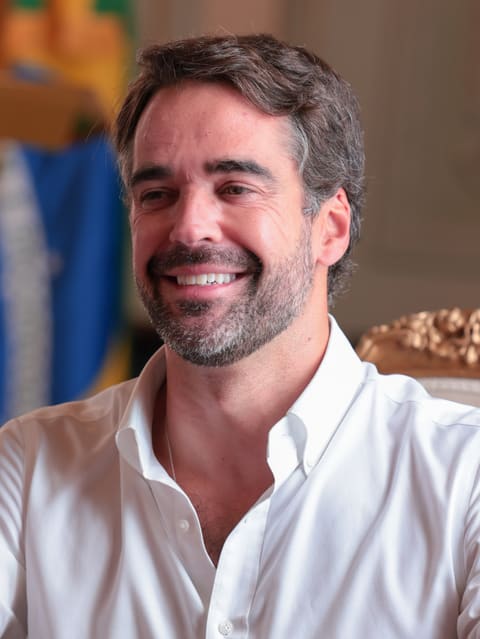
Eduardo Leite
Governor of Rio Grande do Sul, Leite privatised the state water and power utilities and reformed its pension system; the first Brazilian governor to come out as gay, he switched parties to run in 2026.
- Business
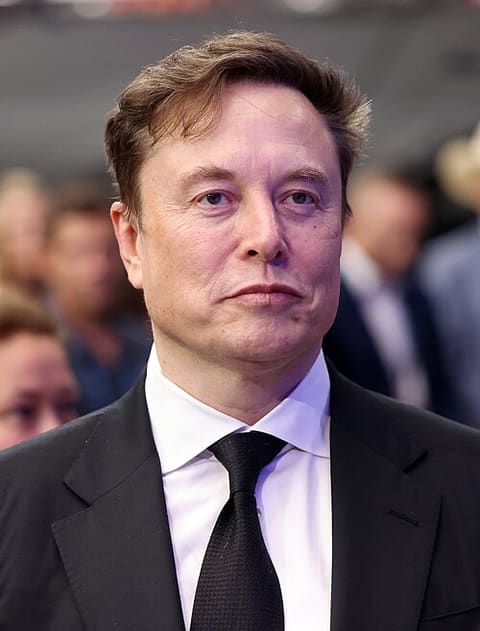
Elon Musk
An entrepreneur and billionaire, Musk leads technology companies such as Tesla and SpaceX and champions technological accelerationism, the colonization of Mars, and libertarian ideas, influencing the global public debate.
- Political theory
Émile Armand
A French individualist anarchist, Émile Armand championed the absolute sovereignty of the individual, a life free of moral and state impositions, and free association, influencing egoist anarchism and the counterculture.
- Activism
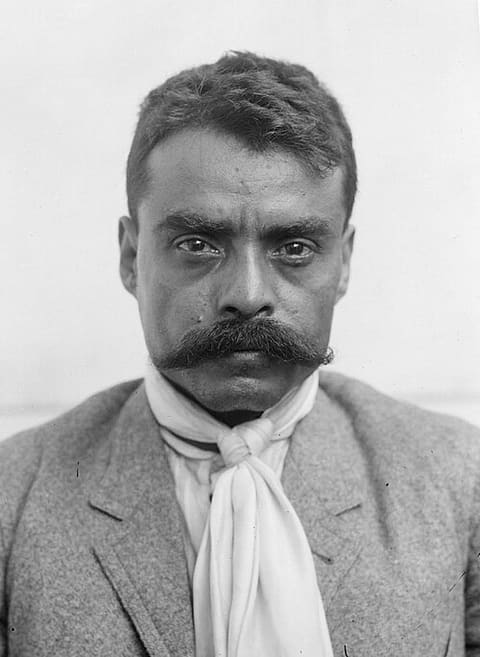
Emiliano Zapata
A Mexican revolutionary, Zapata led peasants in the Mexican Revolution under the motto Land and Liberty, defending agrarian reform and the autonomy of rural communities against large landowners and the state.
- Politics
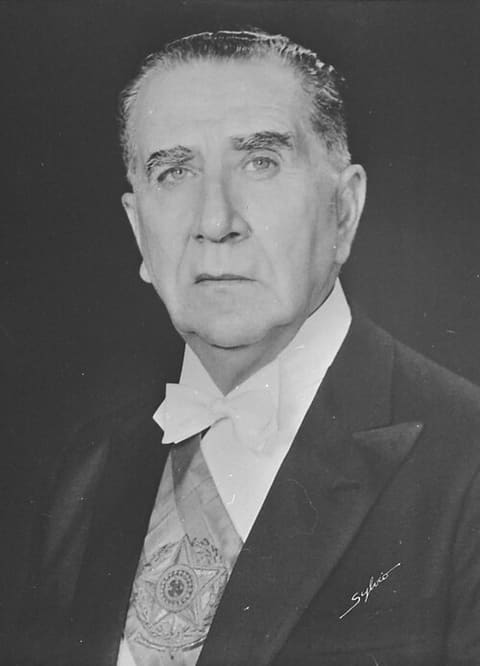
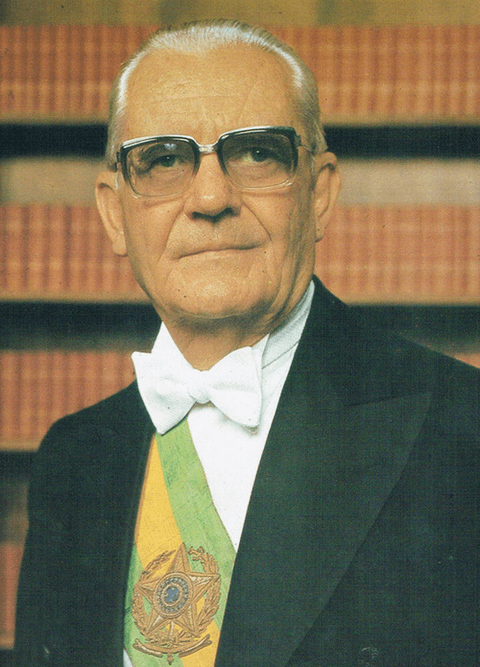
Emílio Garrastazu Médici
A Brazilian general and dictator, Médici governed during the most repressive period of the military dictatorship, uniting heavy censorship and political persecution with the so-called economic miracle of accelerated growth and colossal public works.
- Politics
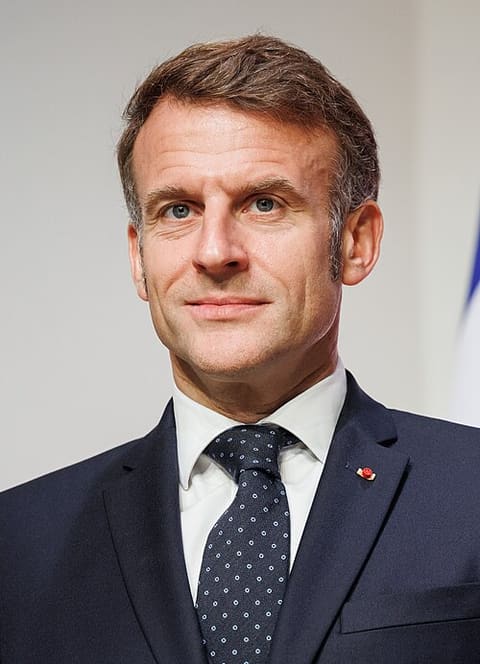
Emmanuel Macron
A French statesman, Macron reached France's presidency as a centrist, liberal reformer, defending markets, European integration, and economic reforms, seeking to overcome the traditional divide between left and right.
- Politics
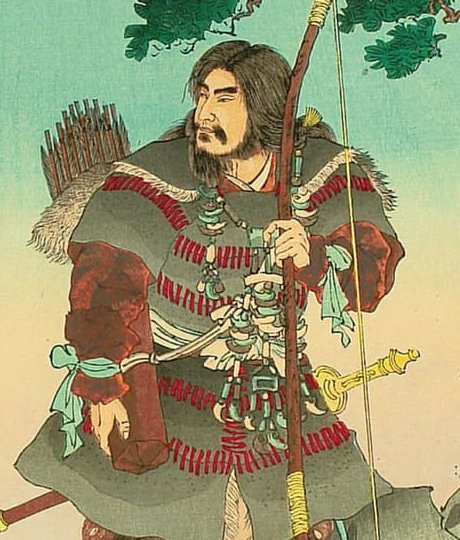
Emperor Jimmu
The first legendary emperor of Japan according to the Kojiki and Nihon Shoki, Jimmu, a descendant of the sun goddess Amaterasu, is said to have conquered Yamato by force of arms and founded the imperial line, a central myth of State Shinto and Japanese nationalism.
- Politics
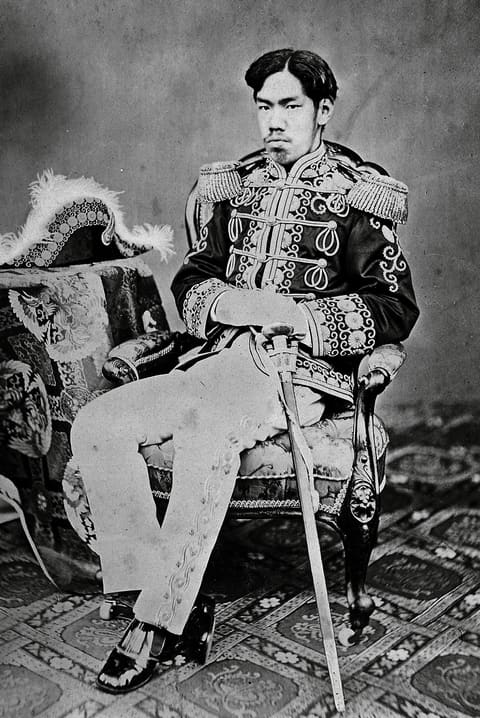
Emperor Meiji
Emperor under whose 1868 restoration Japan abolished the shogunate and the samurai, centralized the state, industrialized under the slogan "rich country, strong army", adopted the 1889 constitution and State Shinto, and defeated China and Russia.
- Politics
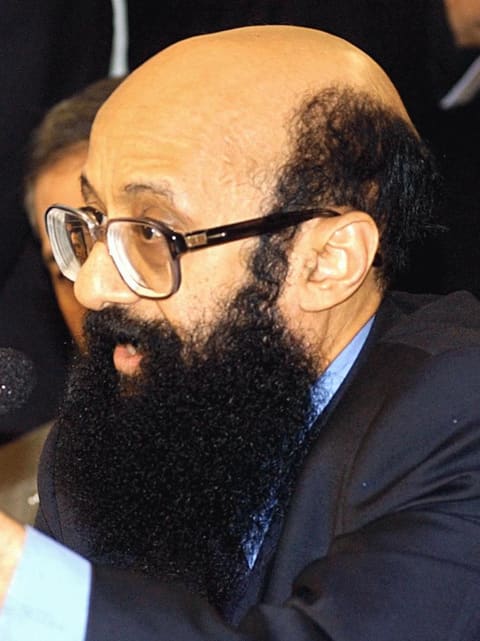
Enéas Carneiro
A Brazilian physician and politician, Enéas championed economic nationalism, technological sovereignty, nuclear energy, strong armed forces, and state planning, becoming a popular symbol of national developmentalism.
- Politics
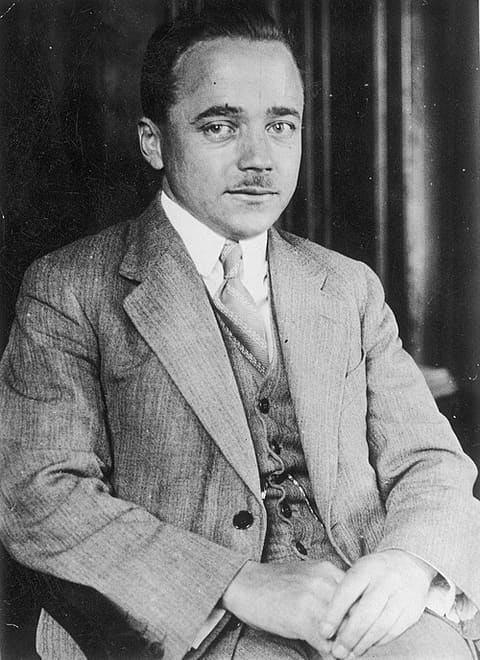
Engelbert Dollfuss
An Austrian chancellor, Dollfuss established Austrofascism, an authoritarian corporatist state with a Catholic base that dissolved parliament and repressed socialists and Nazis until his assassination by Nazi agents.
- Politics
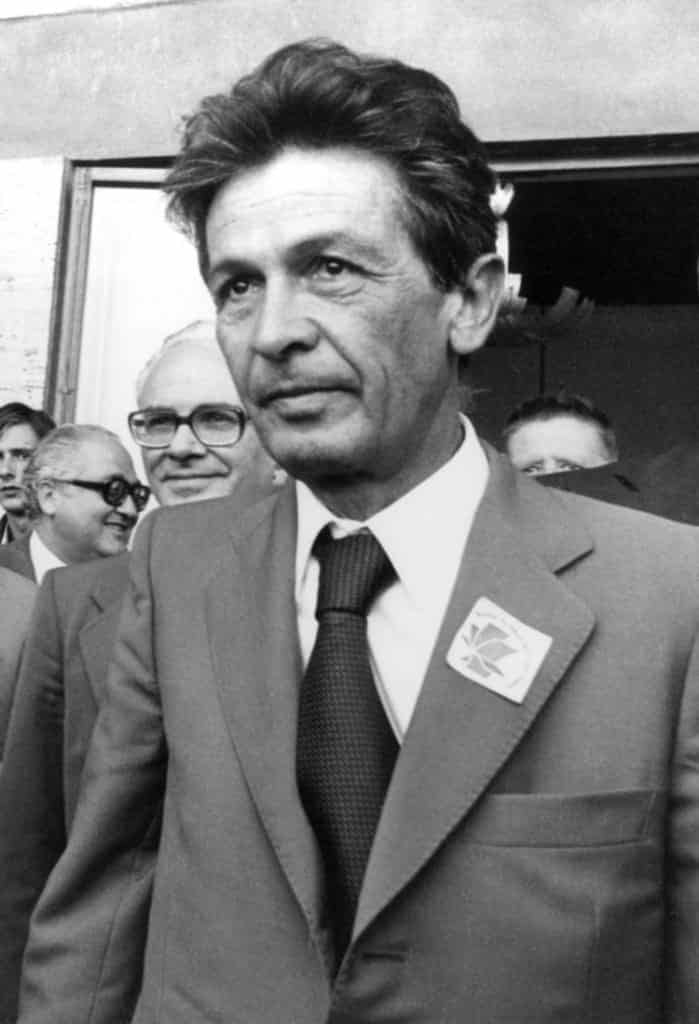
Enrico Berlinguer
As leader of the Italian Communist Party, Berlinguer advocated a democratic, pluralist path to socialism, distanced himself from the Soviet model, and proposed the Historic Compromise with Christian Democrats.
- Philosophy
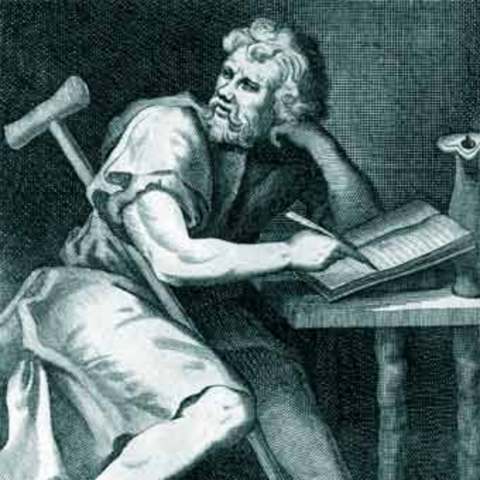
Epictetus
Greek Stoic philosopher, born enslaved in the Roman Empire, he taught that freedom depends on distinguishing what is within our control and cultivating virtue. His student Arrian recorded his lessons.
- Philosophy
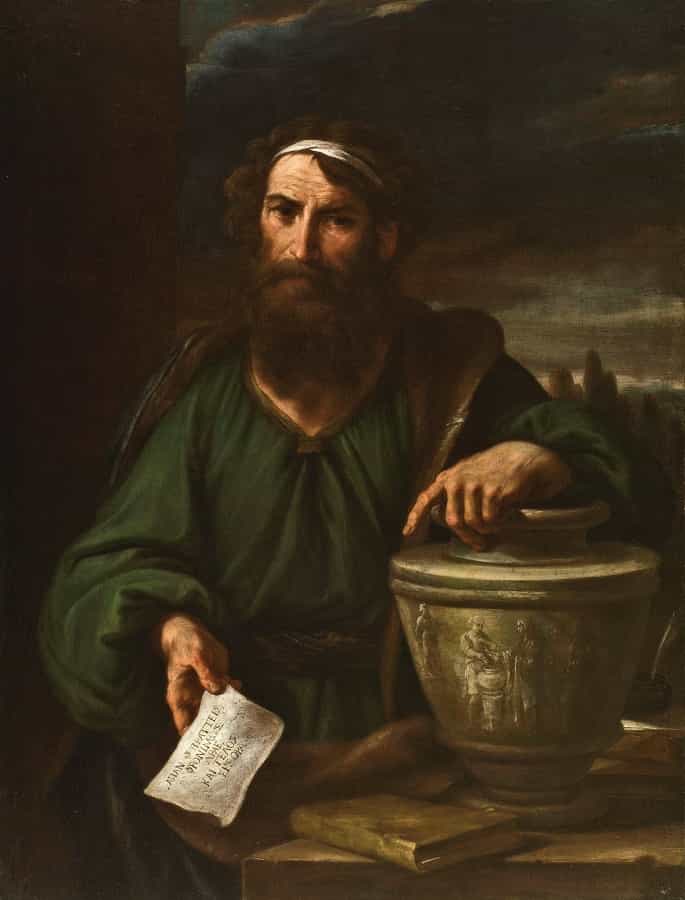
Epicurus
A Greek philosopher who taught that happiness depends on the absence of pain and disturbance, supported by friendship and moderate desires. He understood justice as a useful agreement to neither harm nor be harmed, and advised avoiding political strife where possible.
- Philosophy
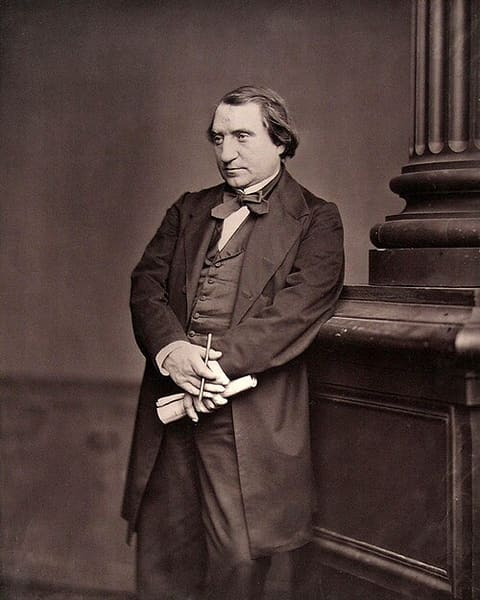
Ernest Renan
A French philosopher, Renan defined the nation as a daily plebiscite, founded on the will to live together and shared memory, offering the intellectual basis of civic nationalism as opposed to ethnic nationalism.
- Politics
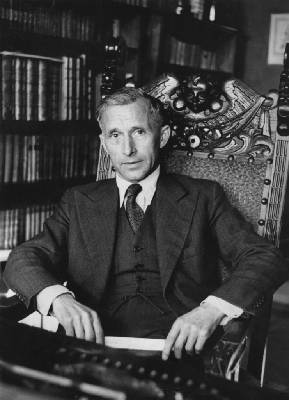
Ernesto Geisel
A general and president during the military regime, Geisel pursued a policy of "slow, gradual, and safe" political opening, combining controlled liberalization with selective repression of opponents and strong state intervention in the economy.
- Intellectual life
Ernst Jünger
A World War I veteran and Conservative Revolutionary writer, Jünger praised technological mobilization and criticized bourgeois liberalism in The Worker (1932). He refused to join the Nazi Party and later criticized totalitarianism.
- Political theory
Ernst Niekisch
The leading figure of German National Bolshevism, Niekisch united radical nationalism and socialist revolution against liberalism and Western influence, seeking to bring Germany closer to the East and Russia.
- Activism
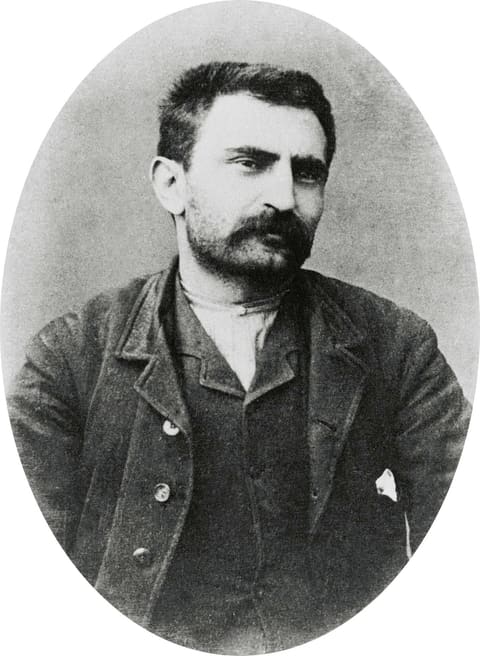
Errico Malatesta
Italian anarchist communist, Malatesta spent decades underground and in exile organizing insurrections and workers' newspapers, advocating the abolition of the state and private property through direct action while rejecting both parliamentarism and Bolshevik dictatorship.
- Politics
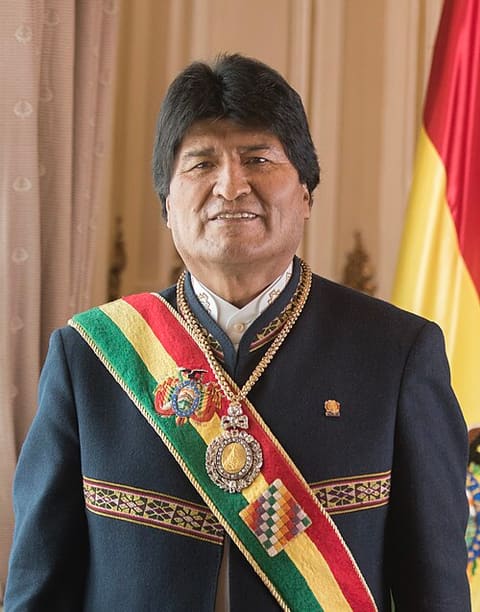
Evo Morales
Bolivia's first indigenous president, Evo Morales led indigenism and the plurinational state, nationalizing resources and expanding the rights of native peoples within a left-wing project.
- Activism
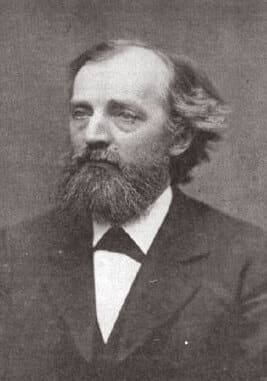
Ezra Heywood
An American individualist anarchist, Heywood championed a free market without monopolies, the abolition of the state, and the emancipation of women, uniting radical economic freedom with the fight for sexual and civil liberty.
- Politics
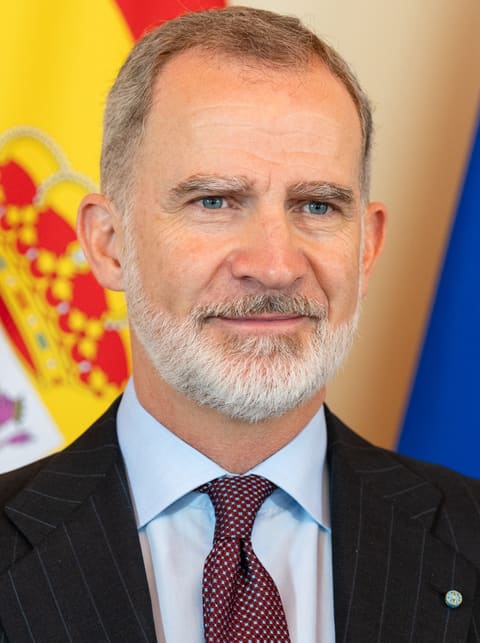
Felipe VI
King of Spain since 2014, a militarily trained constitutional monarch. In his 3 October 2017 speech he condemned the Catalan separatist referendum to defend constitutional unity; he renounced his father's inheritance and promotes transparency and Europeanism.
- Politics
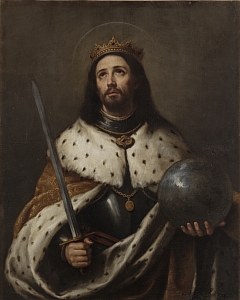
Ferdinand III of Castile
King of Castile from 1217 and León from 1230, he consolidated the union of the crowns and conquered Córdoba and Seville. He ruled as a medieval Catholic monarch and promoted legal and administrative organization in conquered territories.
No profiles found
Try a broader term or choose another filter.