The atlas / People
The people behind the ideas.
Meet the leaders, thinkers, and activists who shaped political life. Explore their perspectives—and the ideas, places, and people closest to them.
449 profiles
Twelve dimensions in every profileSearch and filter the whole collection →
- Intellectual life
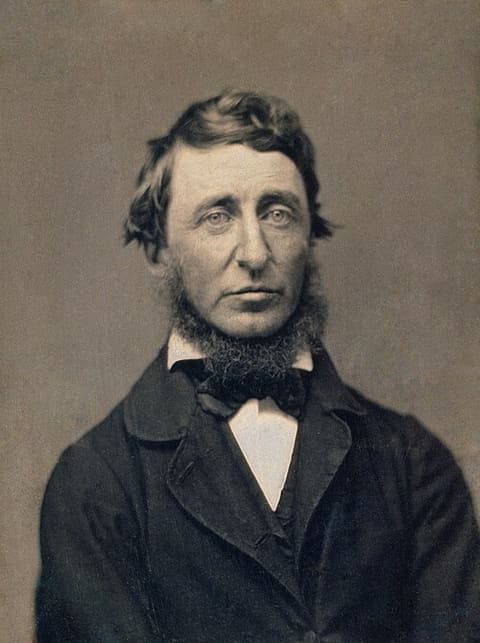
Henry David Thoreau
An American writer, Thoreau championed civil disobedience, simple living in contact with nature, and the right to resist unjust laws, influencing pacifists and environmentalists.
- Business
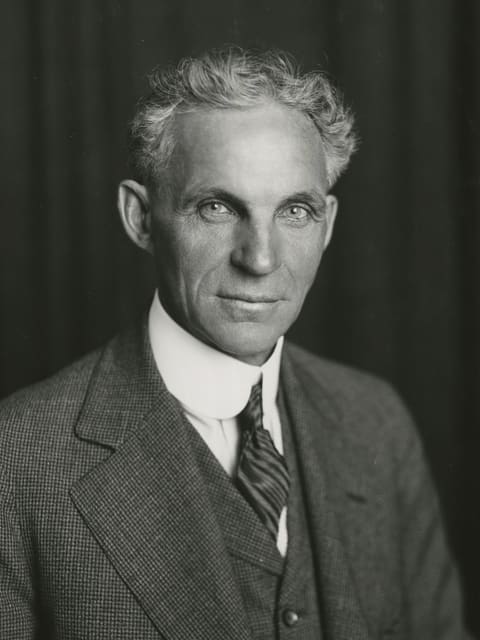
Henry Ford
Founder of the Ford Motor Company, Ford created the assembly line and the five-dollar day, lifting worker consumption; he was a pacifist in the First World War and spread antisemitic propaganda in the 1920s.
- Economics
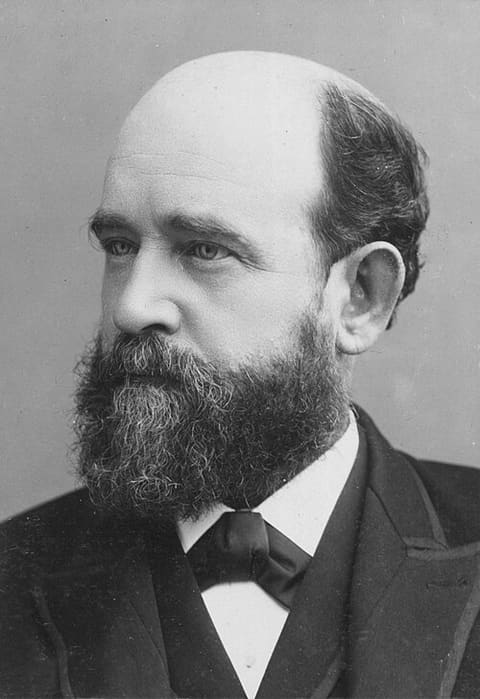
Henry George
An American economist, Henry George proposed the single tax on land value, arguing that land rent should fund society and reduce inequality rather than burdening labor or capital.
- Politics
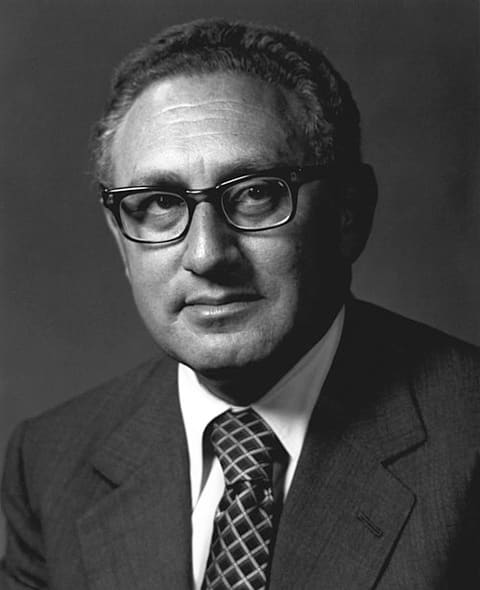
Henry Kissinger
An American diplomat, Kissinger was a master of realpolitik, shaping US foreign policy in the Cold War with détente, the opening to China, and controversial interventions in the name of the national interest.
- Politics
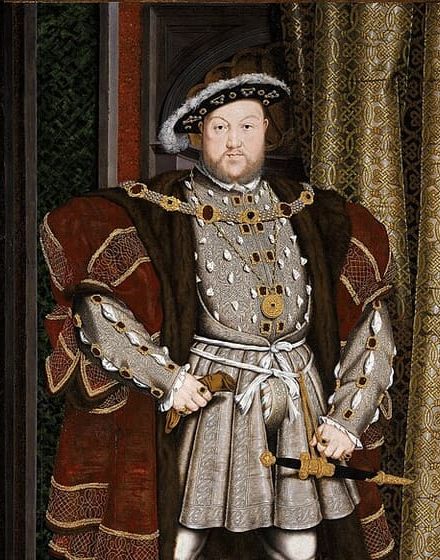
Henry VIII
King of England from 1509 to 1547, Henry VIII broke with Rome through the Act of Supremacy (1534), became head of the Church of England, dissolved the monasteries, centralized power in the Crown under Thomas Cromwell and executed opponents such as Thomas More.
- Philosophy
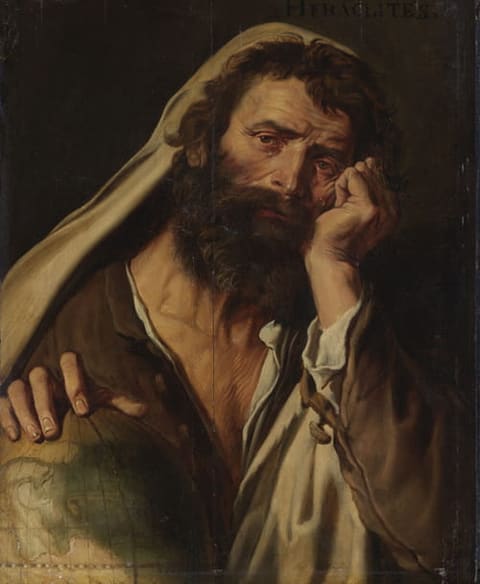
Heraclitus
A philosopher from Ephesus known for fragments on change, opposition, and the logos that orders the world. His texts relate human law to a common order, but the scarcity of sources makes any reconstruction of his specific political positions controversial.
- Politics
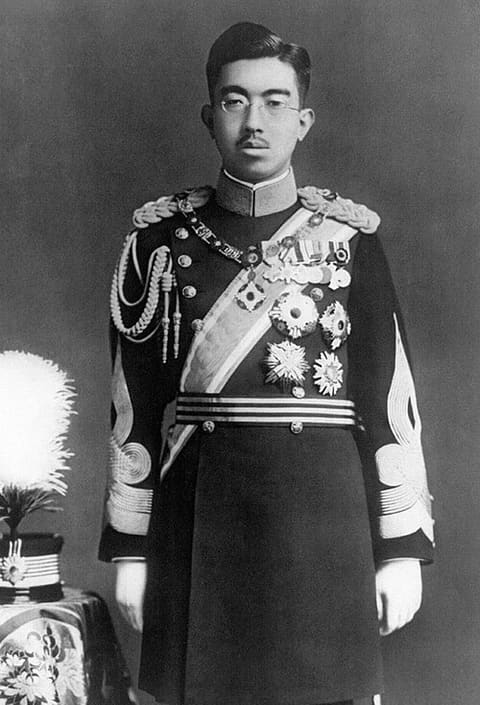
Hirohito
Emperor of Japan from 1926 to 1989, Hirohito reigned during militarist expansion and World War II as a figure of divine authority within the imperial system, and after defeat renounced his divine status and presided as a symbolic constitutional monarch over the country's democratic reconstruction.
- Politics
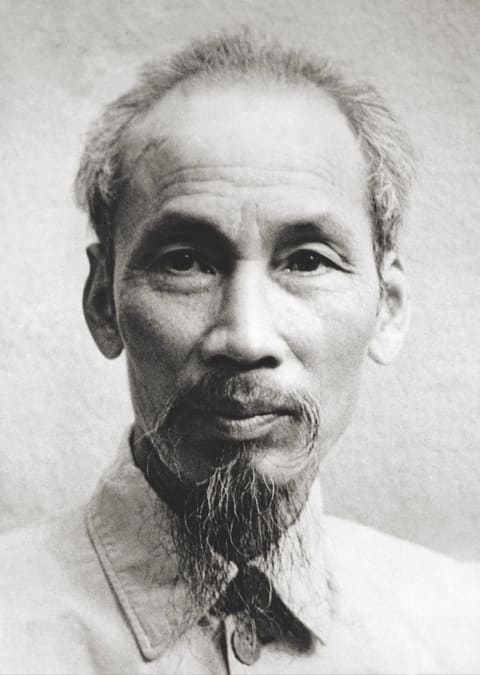
Ho Chi Minh
Revolutionary and founder of communist Vietnam, Ho Chi Minh led the fight for independence against France and later the United States, uniting anti-colonial nationalism and Marxism-Leninism toward the country's reunification under single-party rule.
- Political theory
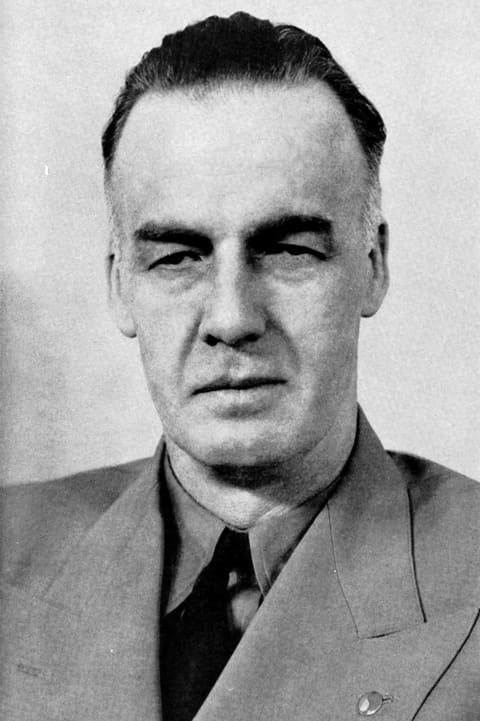
Howard Scott
American engineer, Scott founded Technocracy Incorporated in 1933, proposing to replace the price system and money with energy certificates and to hand the government of a continental “technate” to engineers and scientists instead of politicians and businessmen.
- Politics
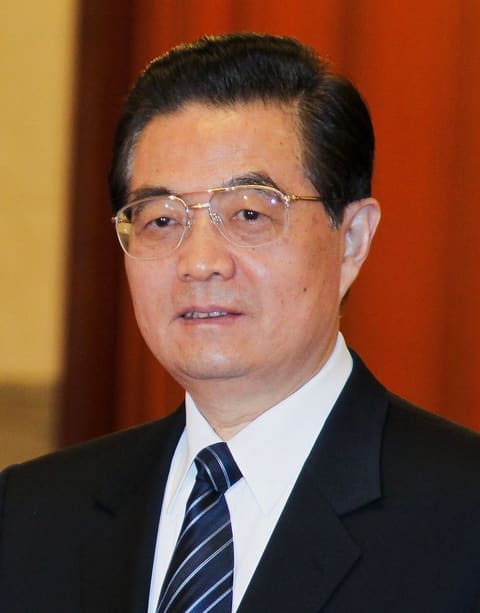
Hu Jintao
Chinese Communist Party general secretary from 2002 to 2012, Hu formulated the Harmonious Society and Scientific Development, sustained growth with higher social spending and tightened digital censorship and repression in Tibet and Xinjiang.
- Politics
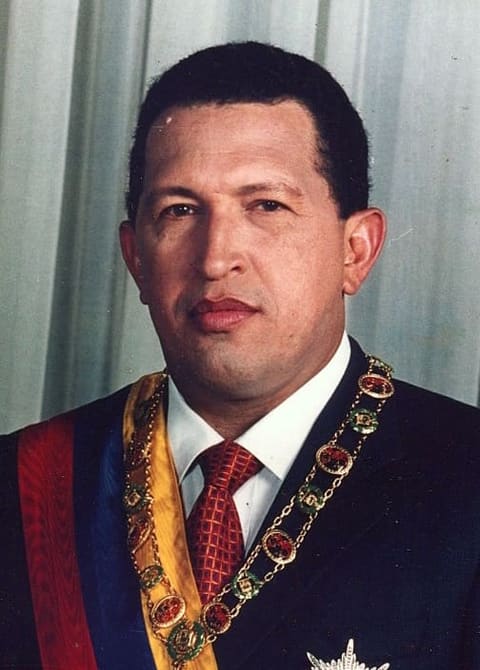
Hugo Chávez
A Venezuelan statesman, Chávez led 21st-century socialism, nationalizing sectors, funding social programs with oil, and concentrating power in a Bolivarian project of strong popular and nationalist appeal.
- Politics
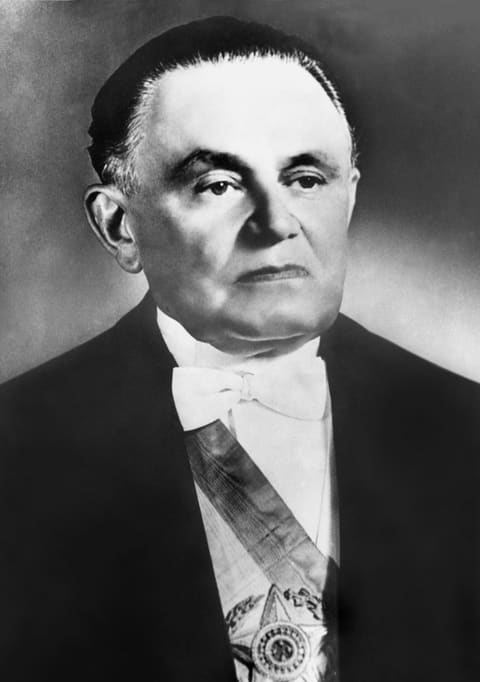
Humberto Castelo Branco
A Brazilian military officer and statesman, Castelo Branco was the first president of the military dictatorship begun in 1964, conducting the initial repression and economic reforms of liberal orientation and alignment with the United States.
- Religion
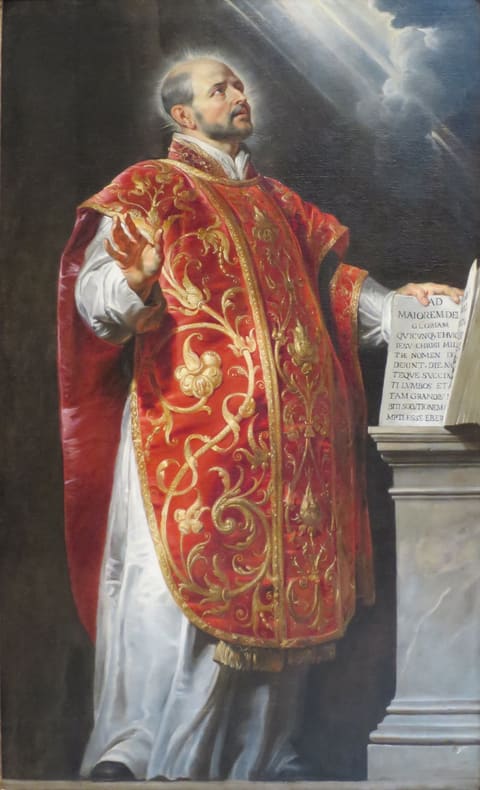
Ignatius of Loyola
A Basque nobleman who became a priest, Ignatius of Loyola founded the Society of Jesus and wrote the Spiritual Exercises, a method of prayer that shaped Jesuit formation and missionary activity.
- Philosophy
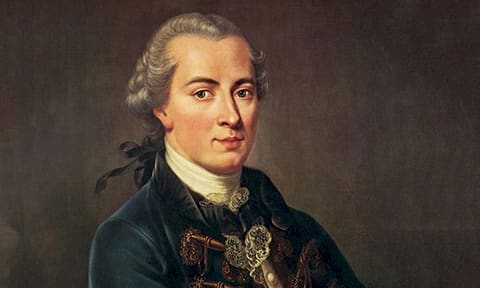
Immanuel Kant
German philosopher, Kant founded transcendental idealism and the ethics of duty, defending the autonomy of reason, republicanism and a federation of free states as the path to perpetual peace.
- Intellectual life
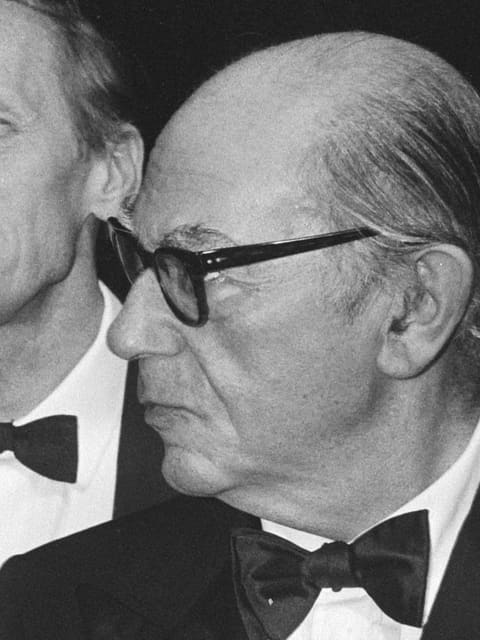
Irving Kristol
Considered the godfather of neoconservatism, Kristol united free markets, traditional values, and an interventionist foreign policy, shaping the American intellectual right of the second half of the 20th century.
- Intellectual life
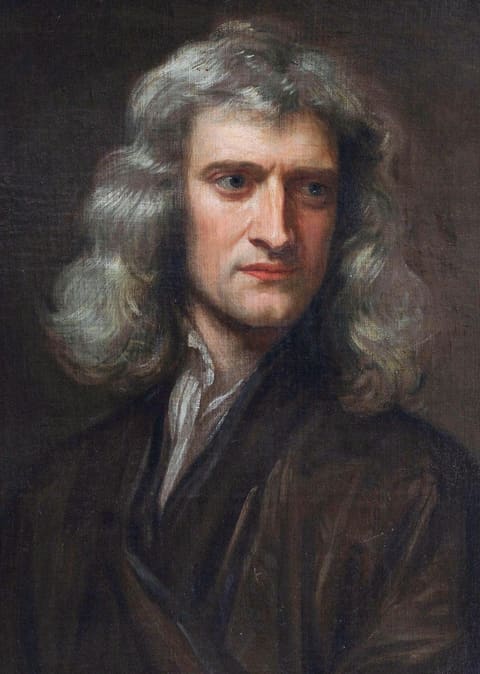
Isaac Newton
An English physicist and mathematician, Newton founded classical mechanics and infinitesimal calculus in the "Principia Mathematica." He ran the Royal Society with an iron fist and, as Master of the Royal Mint, hunted counterfeiters to the gallows. A secret alchemist and anti-trinitarian.
- Philosophy
Isaiah Berlin
A British philosopher, Berlin distinguished negative from positive liberty and championed value pluralism, warning against totalitarian utopias and becoming a reference of 20th-century liberal thought.
- Intellectual life
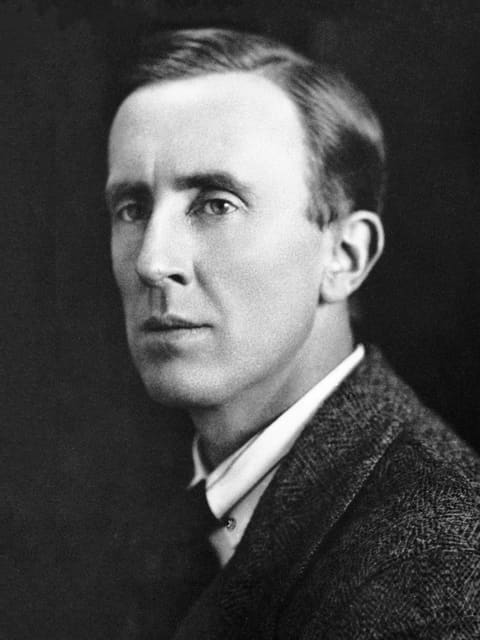
J. R. R. Tolkien
Oxford philologist and author of The Lord of the Rings, Tolkien was a devout Catholic who distrusted the modern state and industrialization, said he leaned toward anarchy or unconstitutional monarchy and idealized the rural life of the Shire.
- Intellectual life
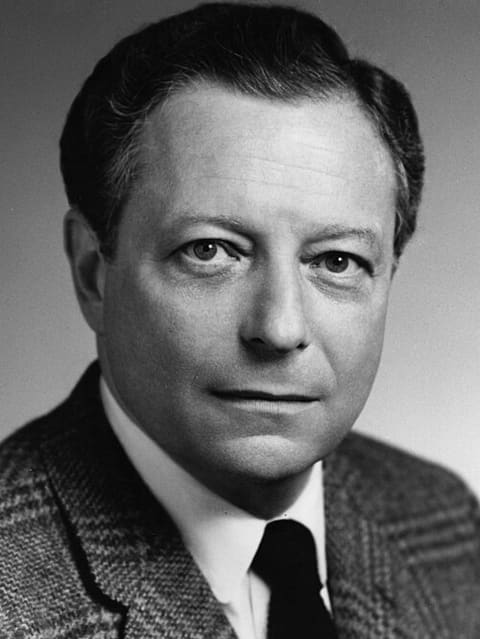
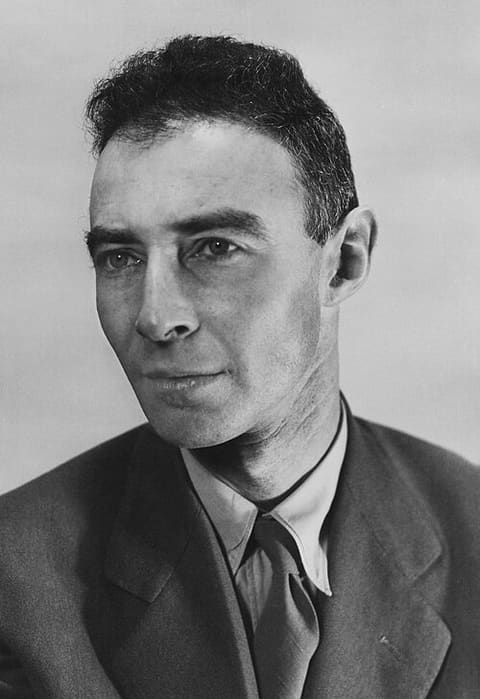
J. Robert Oppenheimer
American theoretical physicist who directed the Manhattan Project at Los Alamos, widely regarded as the father of the atomic bomb. After Hiroshima and Nagasaki, he advocated for civilian and international control of nuclear weapons and had his security clearance revoked during McCarthyism (1954).
- Business
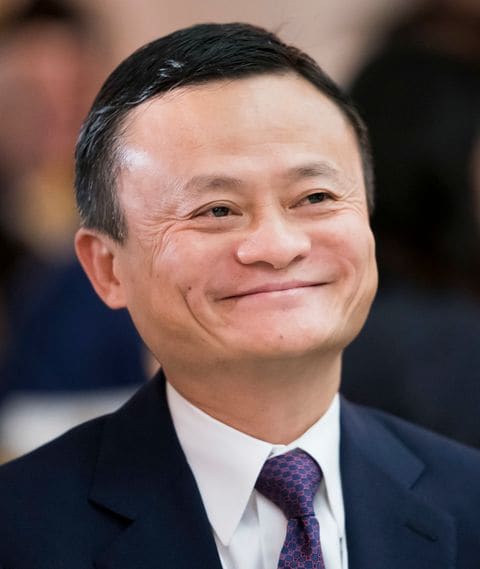
Jack Ma
Alibaba's founder and a Chinese Communist Party member, Ma promoted entrepreneurship, global trade and technology, defended the 996 work culture and criticised state financial regulation before the Ant Group crackdown.
- Philosophy
Jacques Maritain
A French Catholic philosopher, Maritain renewed Christian thought and influenced Christian democracy, defending human rights, integral humanism, and the compatibility of faith, reason, and democratic freedom.
- Politics
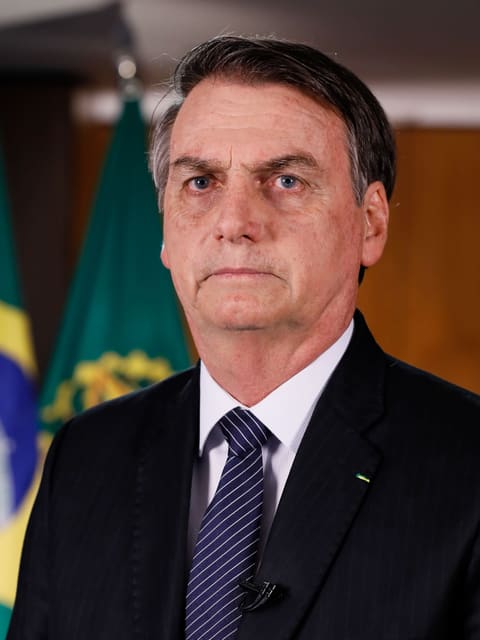
Jair Bolsonaro
A Brazilian politician, Bolsonaro reached the presidency leading the nationalist, conservative right, with agendas of security, traditional values, and economic liberalism; convicted over an attempted coup and barred from office, he remains influential.
- Intellectual life
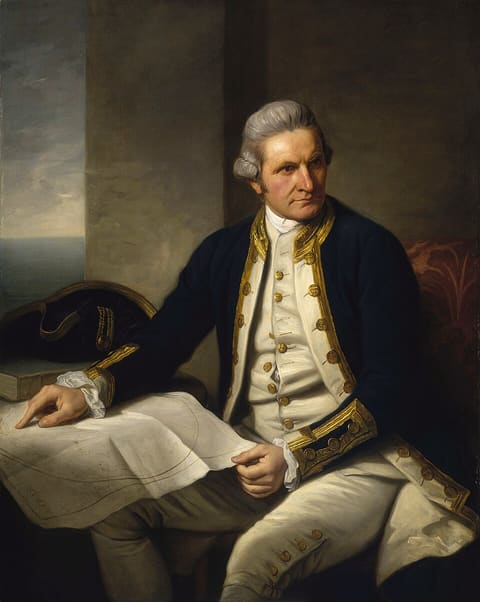
James Cook
A Royal Navy officer and cartographer, Cook led three scientific expeditions to the Pacific, charted New Zealand and the east coast of Australia, claimed lands in the name of the Crown, fought scurvy and died in a clash with Hawaiians.
- Intellectual life
James Lovelock
British independent scientist, Lovelock formulated the Gaia hypothesis, which sees Earth as a self-regulating system, warned about global warming, broke with environmentalism by defending nuclear power and predicted in “Novacene” that cyborgs would succeed humanity.
No profiles found
Try a broader term or choose another filter.