The atlas / People
The people behind the ideas.
Meet the leaders, thinkers, and activists who shaped political life. Explore their perspectives—and the ideas, places, and people closest to them.
449 profiles
Twelve dimensions in every profileSearch and filter the whole collection →
- Economics
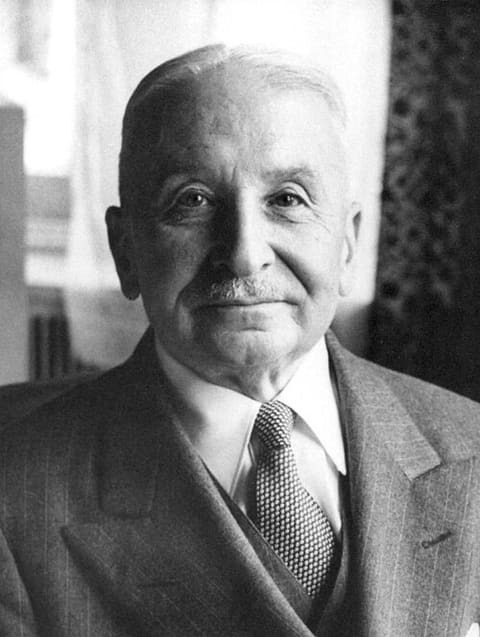
Ludwig von Mises
An Austrian economist, Mises was a great defender of the free market and demonstrated the impossibility of rational economic calculation under socialism, becoming a pillar of the Austrian School and an inspiration for modern libertarianism.
- Activism
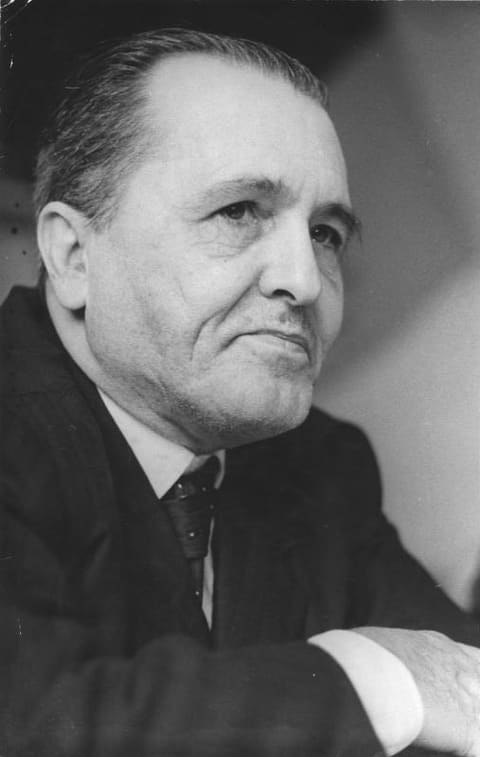
Luís Carlos Prestes
Leader of the Prestes Column and for decades head of the Brazilian Communist Party, Prestes led the 1935 communist uprising, was jailed under the Estado Novo, elected senator in 1945 and followed the Soviet line until breaking with the party in 1980.
- Economics
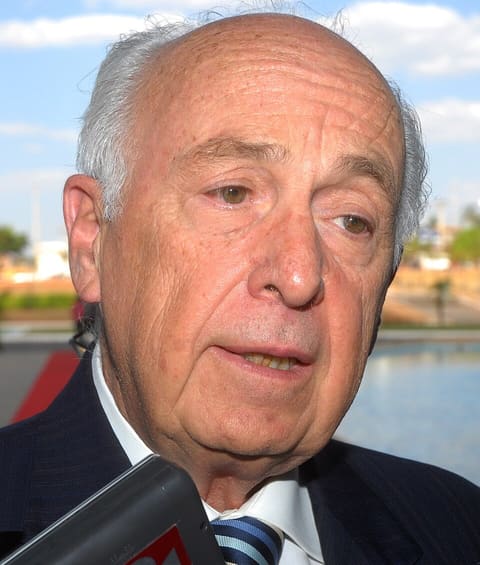
Luiz Carlos Bresser-Pereira
A Brazilian economist and former finance minister, Bresser-Pereira formulated new developmentalism, defending a competitive exchange rate, national industry and a reformed state that drives growth without abandoning democracy.
- Philosophy
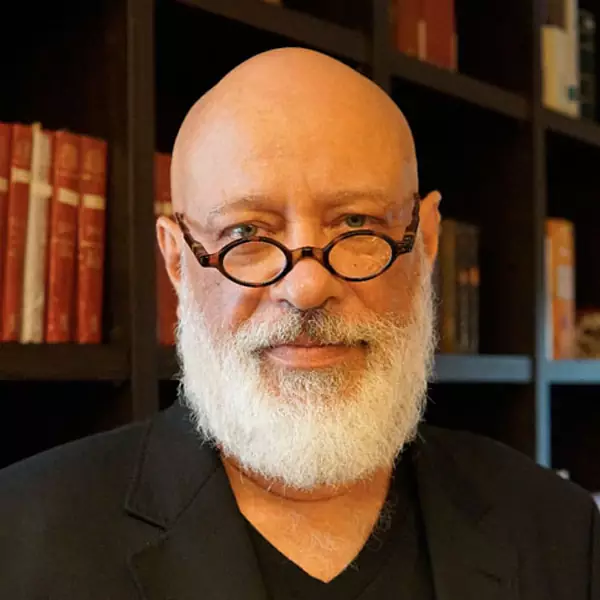
Luiz Felipe Pondé
Brazilian philosopher and columnist, Pond? describes himself as a liberal conservative: he supports economic and civil liberties, criticizes moral progressivism and both left- and right-wing populism, and studies religion without adhering to a tradition.
- Politics
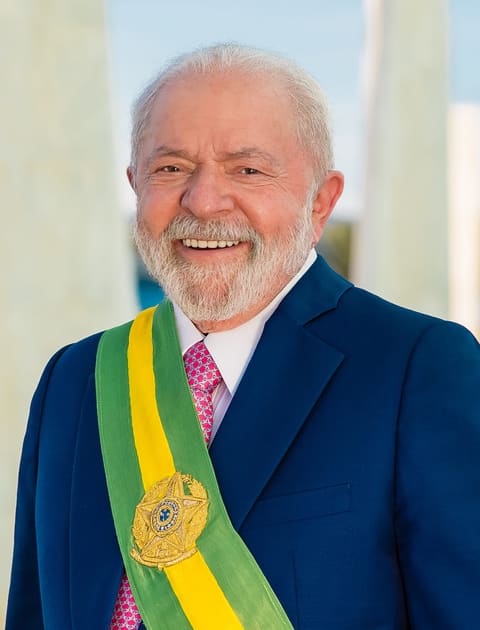
Lula da Silva
A Brazilian statesman, Lula rose from union activism to Brazil's presidency, leading the left with social programs, anti-poverty policies, and a development project with a strong state presence.
- Politics
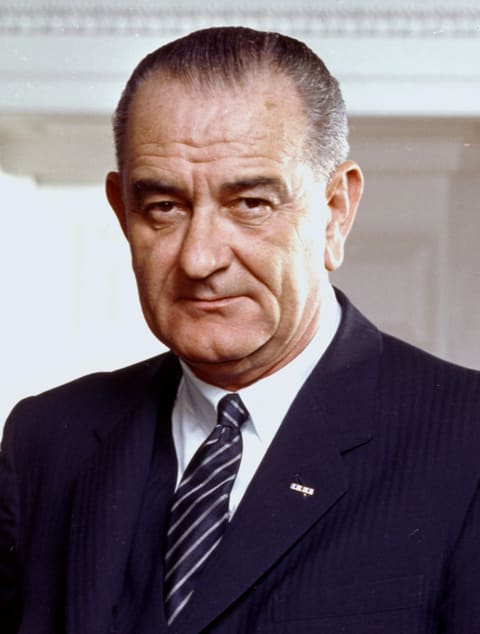
Lyndon B. Johnson
A Democratic president from 1963 to 1969, Johnson launched the Great Society and the war on poverty, created Medicare and Medicaid and signed the Civil Rights and Voting Rights Acts, but escalated the Vietnam War, which destroyed his popularity.
- Intellectual life
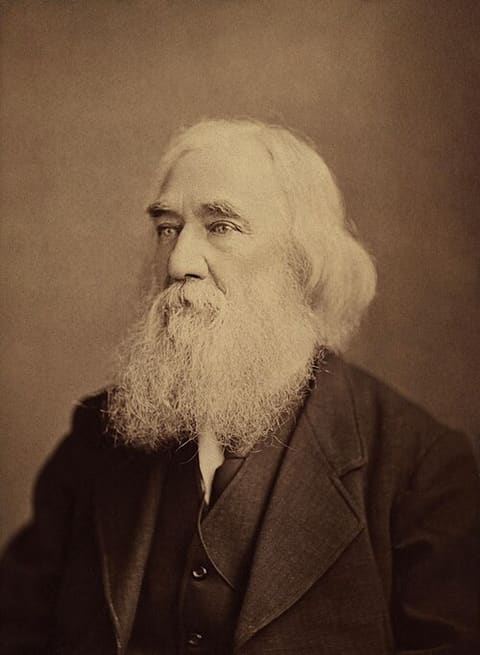
Lysander Spooner
An American jurist and anarchist, Spooner championed natural law and the free market, questioned the legitimacy of the Constitution and the state, and challenged public monopolies, influencing libertarianism.
- Intellectual life
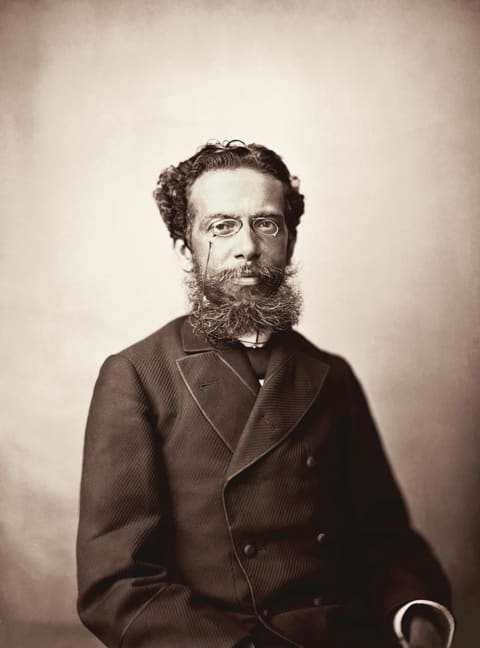
Machado de Assis
Brazil's greatest writer and founder of the Brazilian Academy of Letters, he ironically portrayed the elite of the Second Empire. A civil servant, he was a moderate liberal, a discreet abolitionist and skeptical of religion and scientism.
- Activism
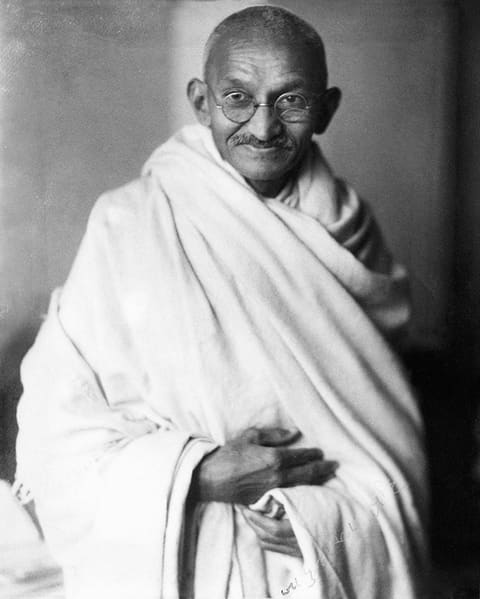
Mahatma Gandhi
Mohandas Karamchand Gandhi was a leader of India’s independence movement. He developed satyagraha, a method of nonviolent resistance, in South Africa and led non-cooperation and civil disobedience campaigns against British rule in India.
- Activism
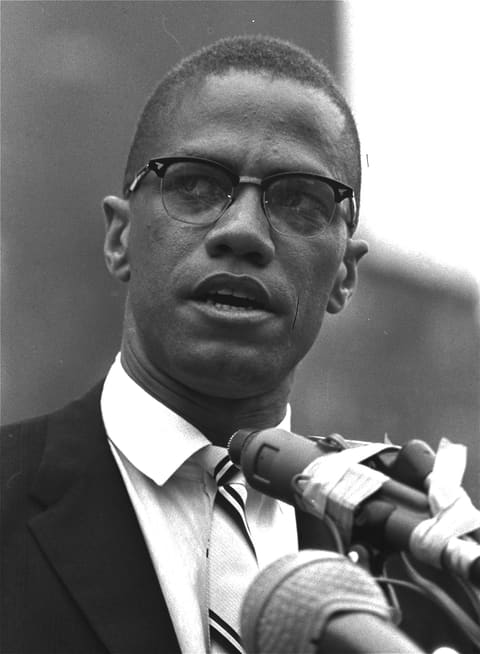
Malcolm X
An American activist, Malcolm X was a radical voice of the Black struggle in the United States, defending pride, self-defense, and African-American emancipation, evolving toward a more universalist vision before his assassination.
- Politics
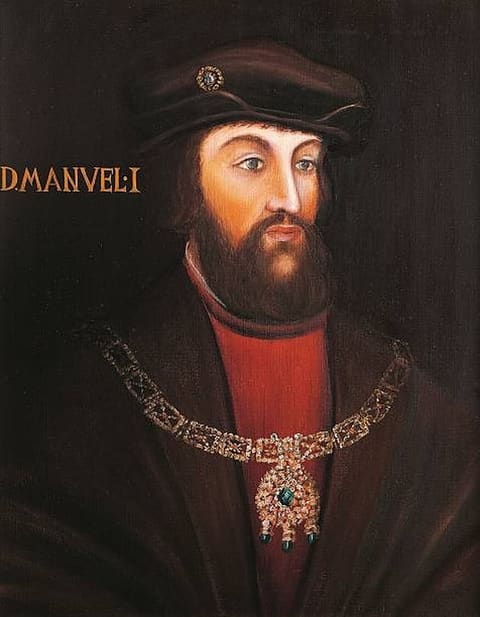
Manuel I of Portugal
Manuel I reigned at the height of Portuguese maritime expansion, when Vasco da Gama reached India and Cabral reached Brazil, centralizing the spice trade through the Casa da India.
- Politics
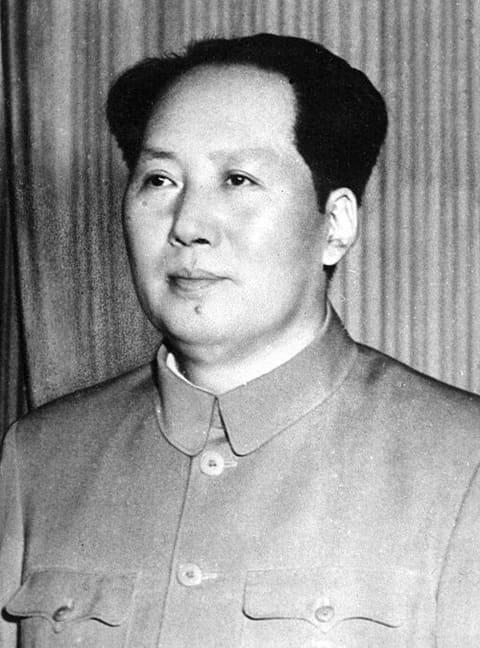
Mao Zedong
Leader of the Chinese Revolution and founder of the People's Republic, Mao adapted Marxism to the peasantry through people's war, collectivization, and the permanent mobilization of the masses in campaigns of radical transformation.
- Politics
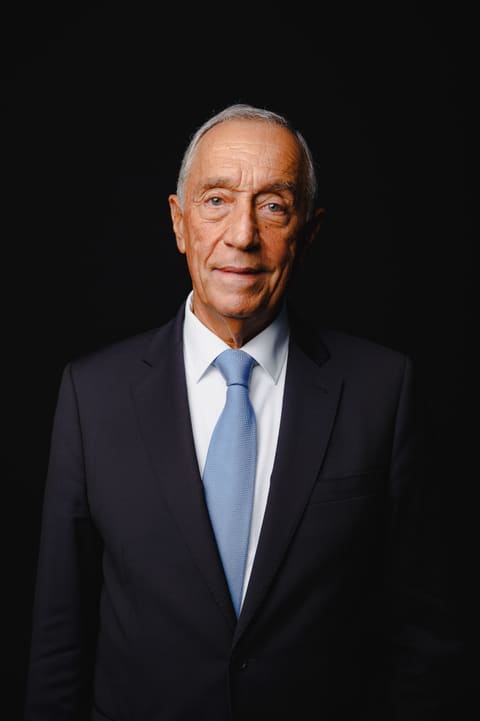
Marcelo Rebelo de Sousa
Law professor, TV commentator and former PSD leader, Marcelo was president of Portugal from 2016 to 2026, with a warm, close-to-the-people style, moderate Catholic conservatism, Europeanism and cooperation with left-wing governments.
- Politics
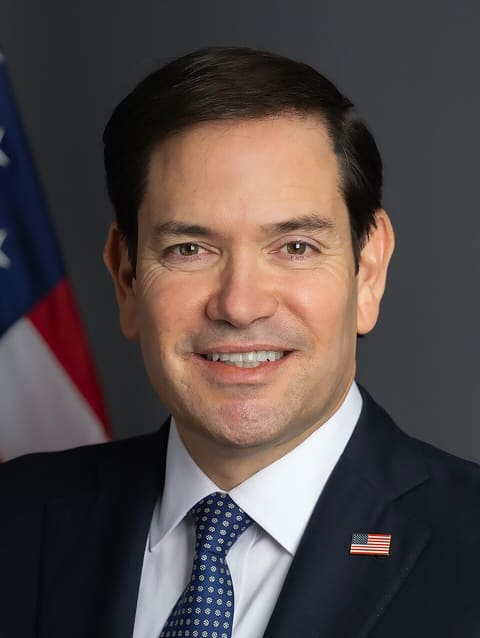
Marco Rubio
A Cuban American, former U.S. senator from Florida, and Secretary of State since 2025, he led the crackdown on Venezuela (capturing Maduro) and Cuba, champions tariffs and 'common good capitalism', and is a practicing Catholic opposed to abortion and same-sex marriage.
- Politics
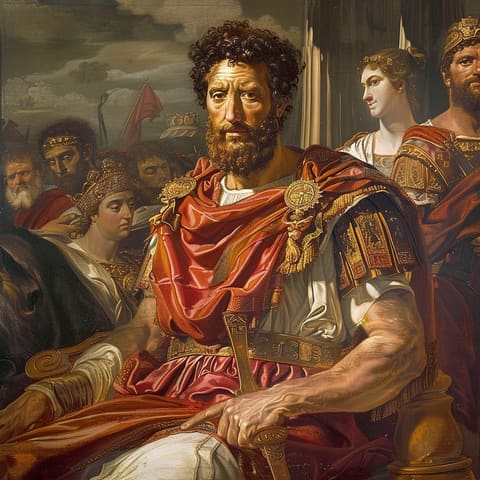
Marcus Aurelius
Sculptural depiction
Roman emperor from 161 to 180 CE and a Stoic philosopher. His Meditations explored duty, justice, and self-discipline; his reign faced frontier warfare, internal unrest, and epidemic disease.
- Activism
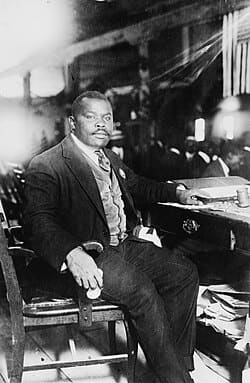
Marcus Garvey
Founder of the largest Black mass movement in history, Garvey preached Black nationalism, racial pride, entrepreneurship as a path to emancipation, and the return to Africa, rejecting integration in favor of separation and self-reliance.
- Politics
Mário Covas
Opposition leader stripped of his mandate by the dictatorship and founder of the PSDB, Covas called for a capitalism shock in the 1989 campaign and, as governor of São Paulo, pursued fiscal adjustment, privatizations and concessions with a social democratic, ethical message.
- Politics
Mark Carney
A former governor of the Bank of Canada and the Bank of England, Carney has been Liberal prime minister since 2025: he scrapped the consumer carbon tax, fast-tracked pipelines and major projects, raised defence spending and retaliated against Trump's tariffs.
- Philosophy
Mark Fisher
British cultural theorist, Fisher developed the concept of capitalist realism to examine the difficulty of imagining alternatives to capitalism. He connected culture, mental health and neoliberalism, and outlined acid communism.
- Business
Mark Zuckerberg
Founder of Facebook and Meta, Zuckerberg built the world's largest social network, championed global connectivity and, after years of active moderation, moved to scale back fact-checking in the name of free speech.
- Politics
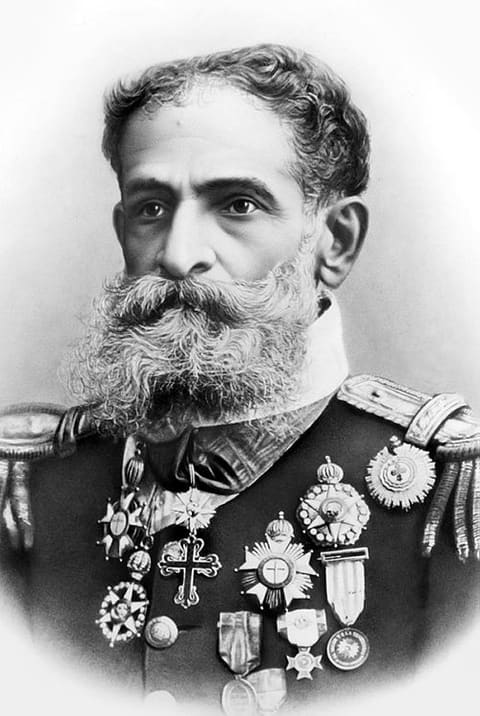
Marshal Deodoro da Fonseca
An army marshal who led the proclamation of the republic in 1889, Deodoro da Fonseca became the country's first president, ruling in a centralizing and authoritarian manner until dissolving Congress in 1891, resigning shortly after amid institutional crisis.
- Philosophy
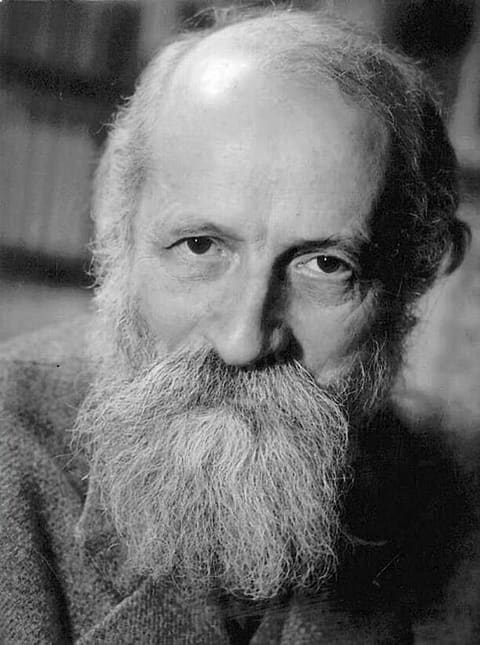
Martin Buber
An Austrian Jewish philosopher, Buber developed the philosophy of dialogue, summed up in the I–Thou relationship, and championed a communitarian, humanist socialism, influencing religious thought and cultural Zionism.
- Philosophy
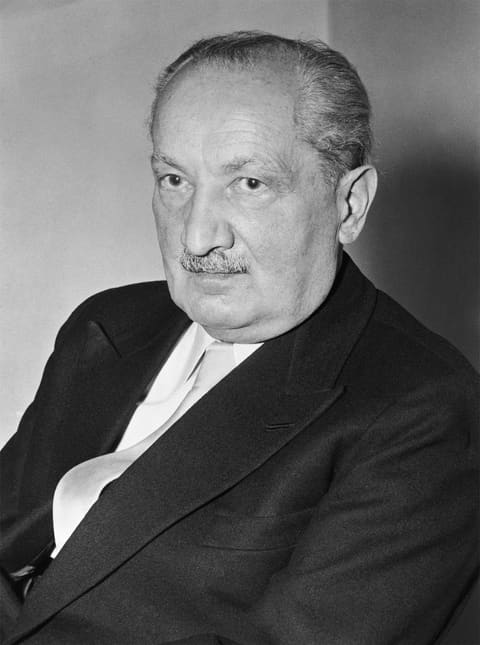
Martin Heidegger
German philosopher, Heidegger reopened the question of being and criticised modern technology as the uprooting of humanity; he joined the Nazi party in 1933 and became rector of Freiburg, support he never publicly recanted.
- Religion
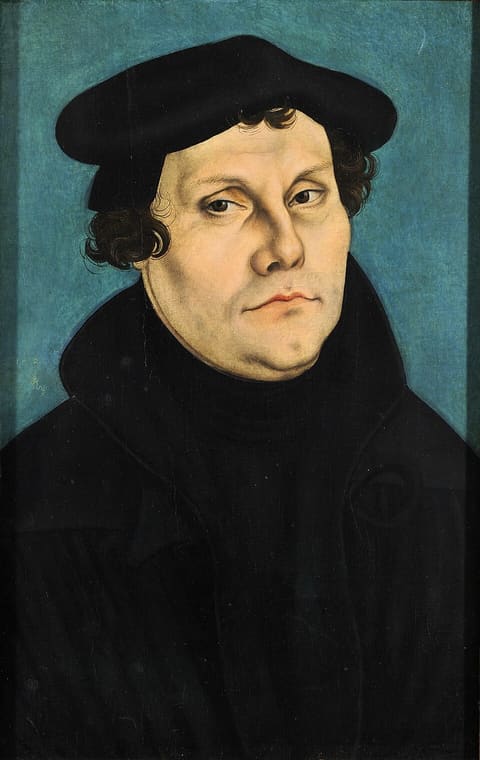
Martin Luther
The German monk who began the Protestant Reformation by challenging indulgences, Luther defended salvation by faith and the Bible in the vernacular, yet backed the princes against the peasant revolt of 1525.
No profiles found
Try a broader term or choose another filter.