The atlas / People
The people behind the ideas.
Meet the leaders, thinkers, and activists who shaped political life. Explore their perspectives—and the ideas, places, and people closest to them.
449 profiles
Twelve dimensions in every profileSearch and filter the whole collection →
- Activism
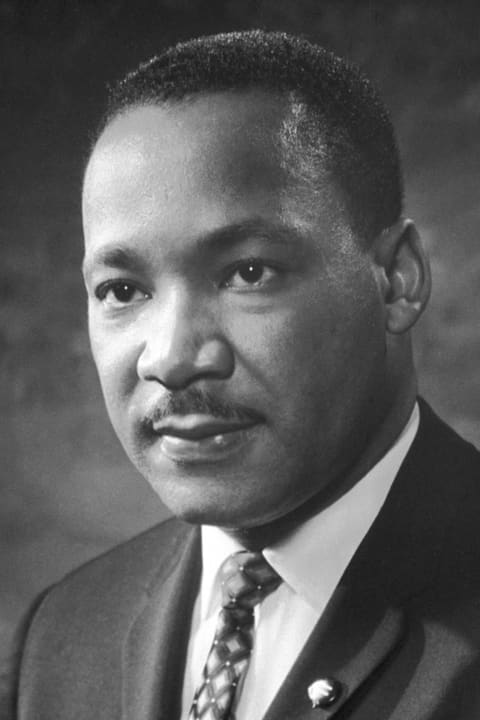
Martin Luther King Jr.
Baptist minister and leader of the American civil rights movement, King led the Montgomery bus boycott and the March on Washington, advocating nonviolent civil disobedience, an end to racial segregation, economic redistribution and opposition to the Vietnam War.
- Politics
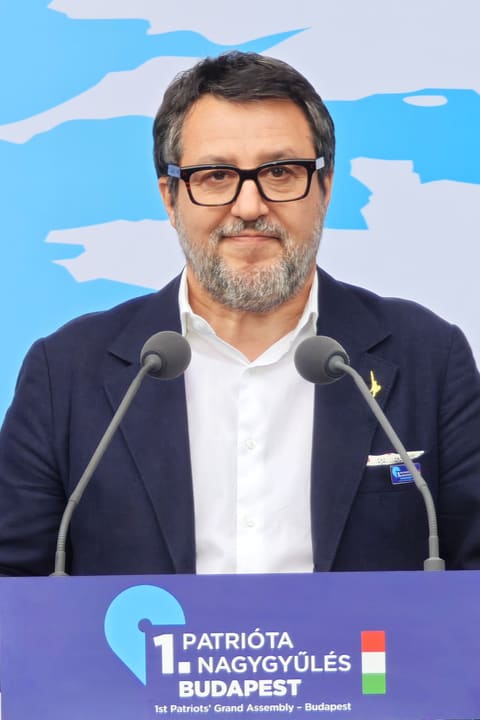
Matteo Salvini
An Italian politician, Salvini leads Italy's nationalist right, championing the fight against immigration, national sovereignty, and skepticism toward the European Union, with strong populist and identitarian appeal.
- Philosophy
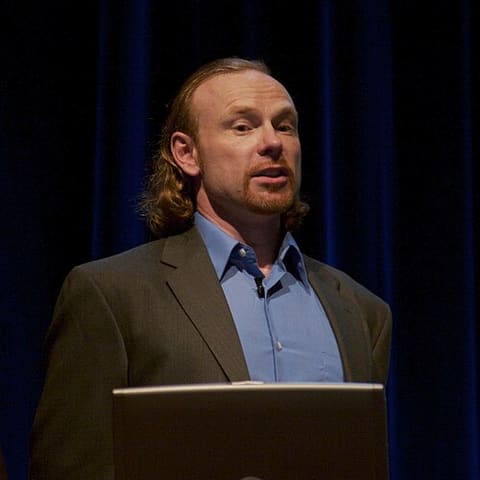
Max More
A British philosopher, Max More is one of the founders of modern transhumanism and extropianism, defending the use of technology to overcome human limits, extend life, and expand individual freedom.
- Philosophy
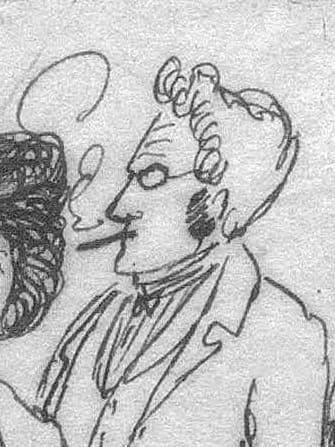
Max Stirner
A German philosopher, Stirner is the great reference of egoist anarchism, rejecting state, morality, and institutions as oppressive abstractions and placing the sovereign individual and their interests at the center of everything.
- Intellectual life
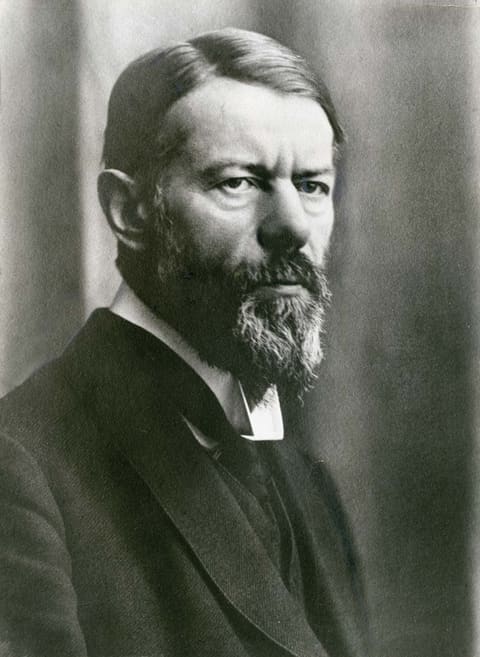
Max Weber
A German sociologist and founder of modern sociology, Weber analyzed rational-legal bureaucracy, distinguished types of legitimate authority, and linked the Protestant ethic to the spirit of capitalism, without prescribing a political program of his own.
- Politics
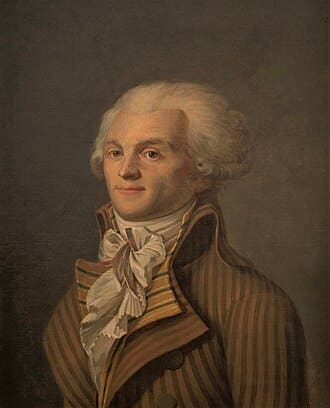
Maximilien Robespierre
A central figure of the French Revolution, Robespierre linked republican virtue, popular sovereignty, and civil equality to a centralized revolutionary power, becoming a symbol of Jacobinism and the Terror.
- Philosophy
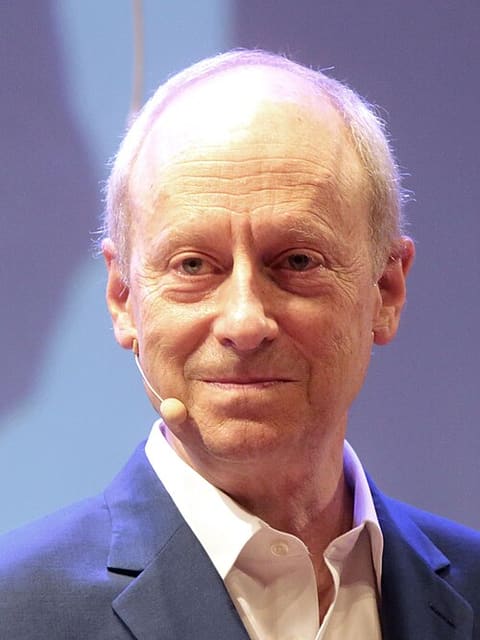
Michael Sandel
An American political philosopher, Sandel is one of the leading exponents of communitarianism, criticizing procedural liberalism and holding that justice, virtue, and the common good arise from community bonds.
- Philosophy
Michel Foucault
A French philosopher, Foucault analyzed prisons, sexuality, medicine, and modern knowledge as forms of disciplinary power, becoming a reference for critiques of social normalization, institutions of control, and cultural hierarchies.
- Politics
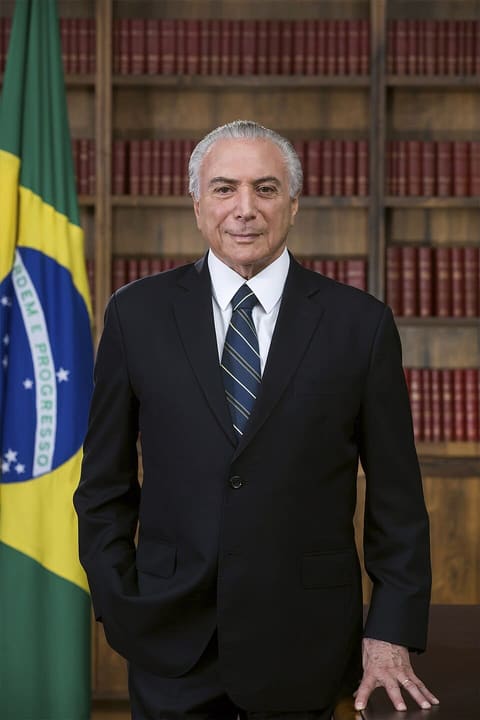
Michel Temer
A Brazilian statesman, Temer assumed Brazil's presidency after Dilma's impeachment, conducting a liberal agenda of economic reforms and fiscal adjustment with the support of the political center and the business community.
- Political theory
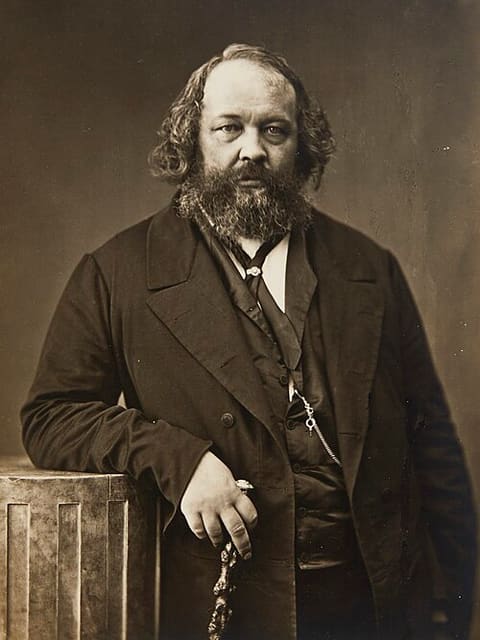
Mikhail Bakunin
A Russian revolutionary, Bakunin was the great theorist of collectivist anarchism, opposing the state and authoritarian Marxism and defending spontaneous social revolution and the free federation of communities and workers.
- Politics
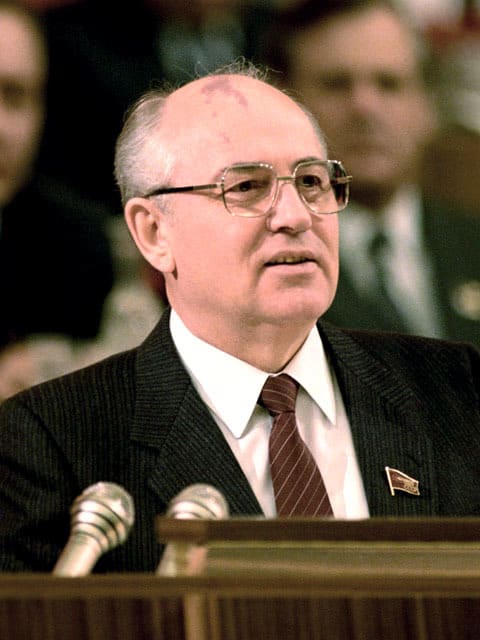
Mikhail Gorbachev
The last leader of the Soviet Union, Gorbachev launched perestroika and glasnost, liberalizing the economy and the press, reduced the nuclear arsenal with the West, and allowed the fall of the Berlin Wall, precipitating the collapse of the communist bloc.
- Economics
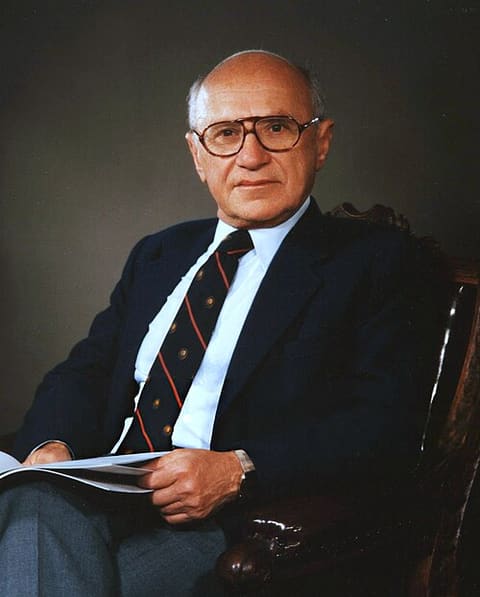
Milton Friedman
An American economist, Friedman led neoliberalism and monetarism, defending free markets, monetary stability, and a smaller state as essential conditions of freedom and prosperity.
- Politics
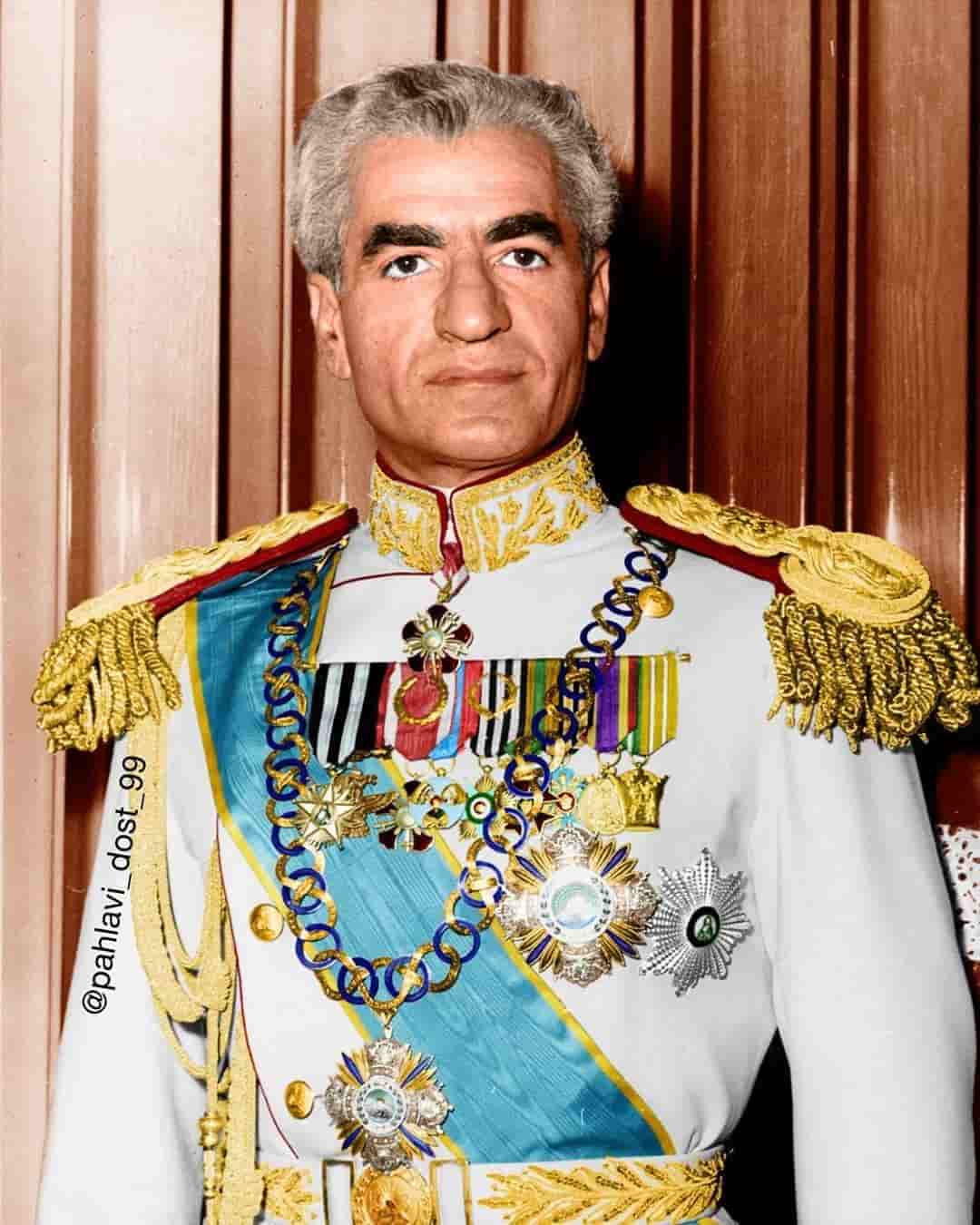
Mohammad Reza Pahlavi
Iran's last shah (1941–1979), Mohammad Reza Pahlavi consolidated an authoritarian monarchy allied with the West. The White Revolution advanced land reform, industrialization and women's rights, while SAVAK repressed the opposition.
- Politics
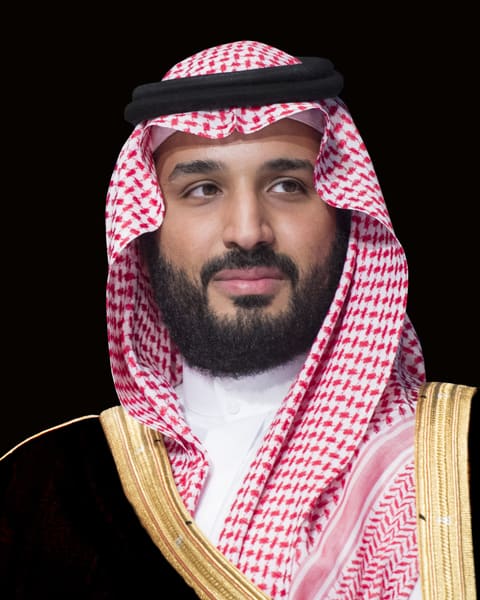
Mohammed bin Salman
Saudi Arabia's crown prince, Mohammed bin Salman concentrates power and conducts a controlled economic and social modernization, diversifying the oil economy while maintaining strong political repression.
- Philosophy
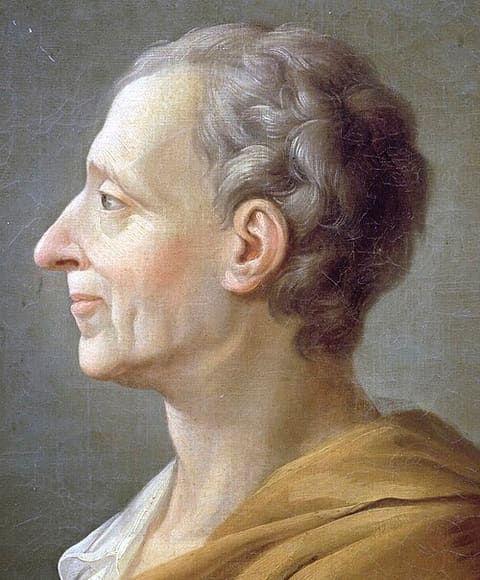
Montesquieu
A French Enlightenment philosopher, Montesquieu formulated the separation of powers and institutional moderation, defending constitutional monarchy and government limited by laws as a defense against despotism.
- Politics
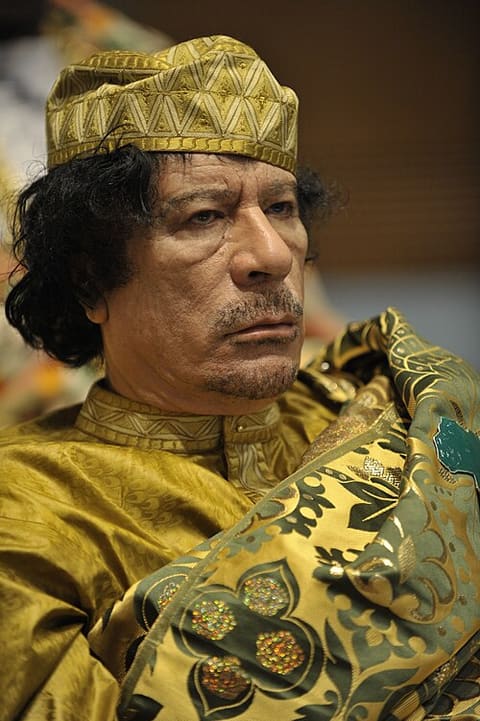
Muammar Gaddafi
Leader of Libya for over four decades after the 1969 coup, Gaddafi established a "Jamahiriya" of theoretical direct democracy under de facto authoritarian control, nationalized oil, funded pan-Africanist and third-worldist movements, and was deposed and killed during the 2011 civil war.
- Religion
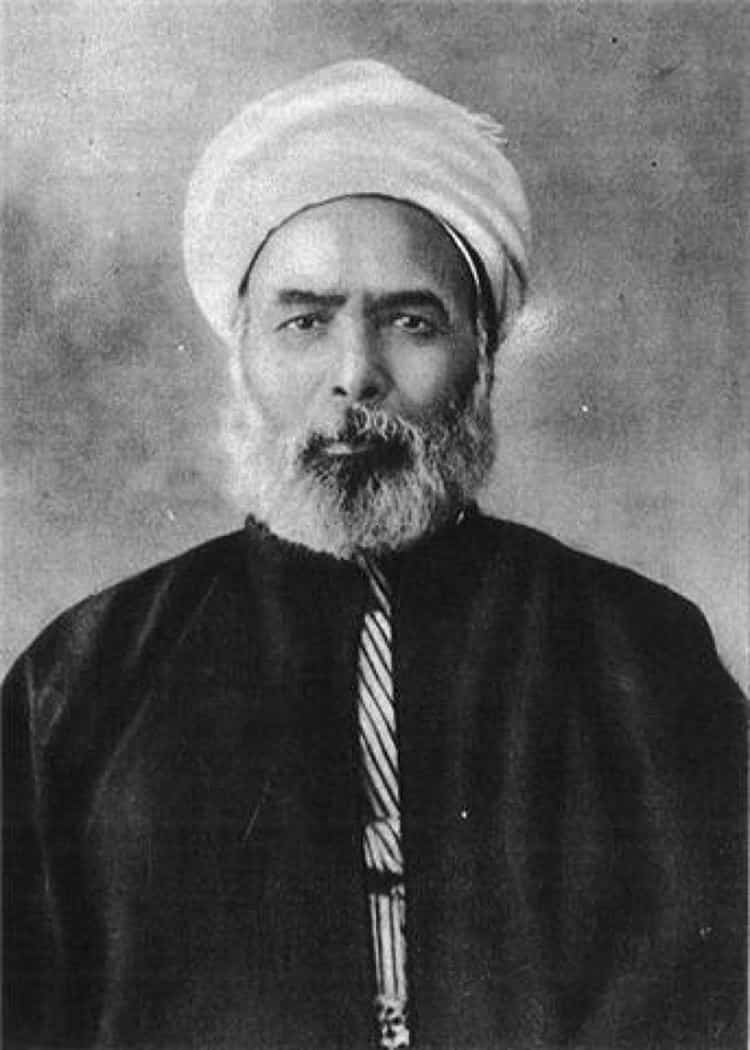
Muhammad Abduh
Grand Mufti of Egypt and father of Islamic modernism, Abduh argued for reinterpreting Islam through reason (ijtihad), reformed teaching at Al-Azhar and the religious courts, and opposed both clerical stagnation and British rule.
- Politics
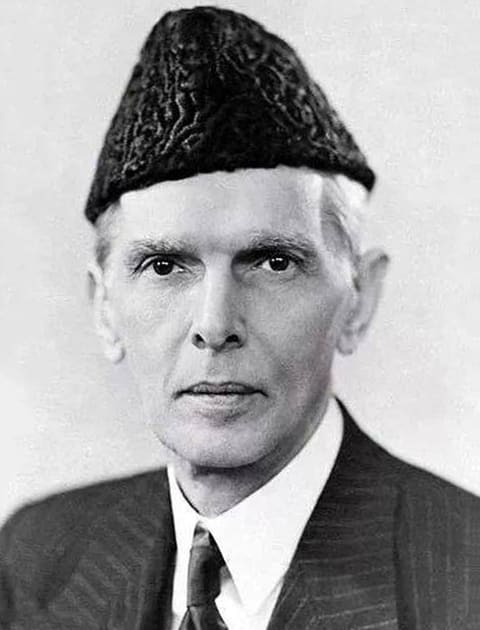
Muhammad Ali Jinnah
Lawyer and leader of the Muslim League, Jinnah led the creation of Pakistan in 1947 on the two-nation theory and was its first governor-general, advocating a Muslim-majority state with religious freedom for minorities.
- Political theory
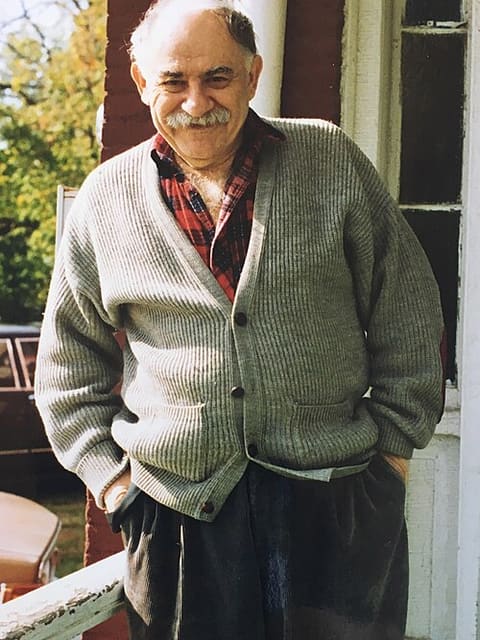
Murray Bookchin
An American thinker, Bookchin created social ecology and communalism, defending autonomous municipalities, direct democracy, and harmony with nature, influencing radical environmentalism and the Rojava experiment.
- Economics
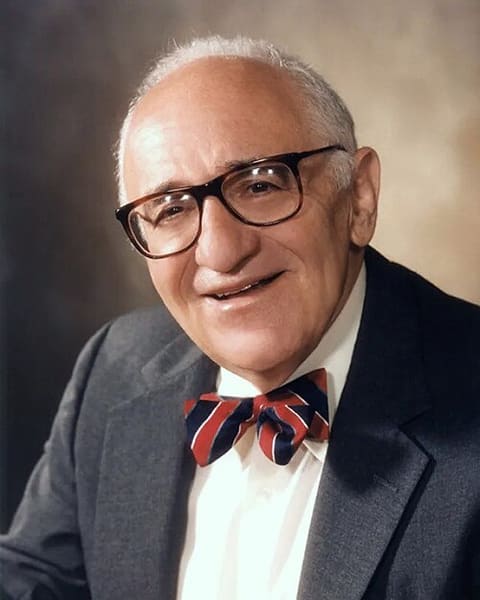
Murray Rothbard
An American economist, Rothbard was the main formulator of anarcho-capitalism, defending the abolition of the state, absolute private property, and the provision of security and justice by the free market.
- Politics
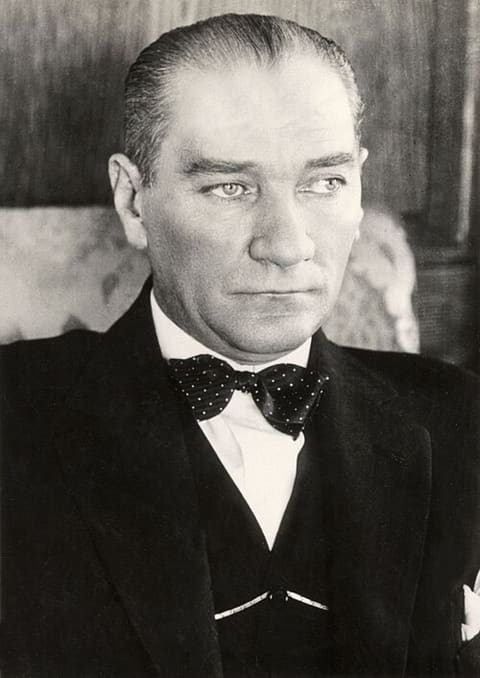
Mustafa Kemal Atatürk
Founder of modern Turkey, Atatürk imposed radical modernization from above, with secularization, a new alphabet, civil rights for women, and developmentalist nationalism, breaking with the Ottoman and religious heritage.
- Politics
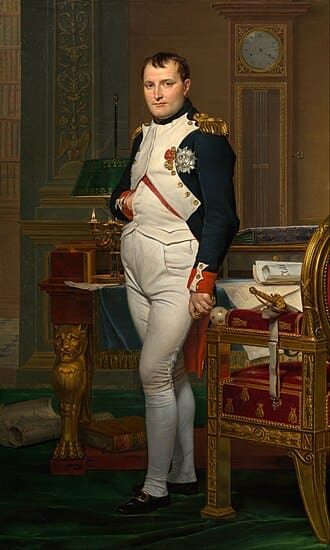
Napoleon Bonaparte
A French general and emperor, Napoleon consolidated the Revolution's administrative and legal reforms while concentrating personal power, expanding France militarily and shaping European modernizing authoritarianism.
- Politics
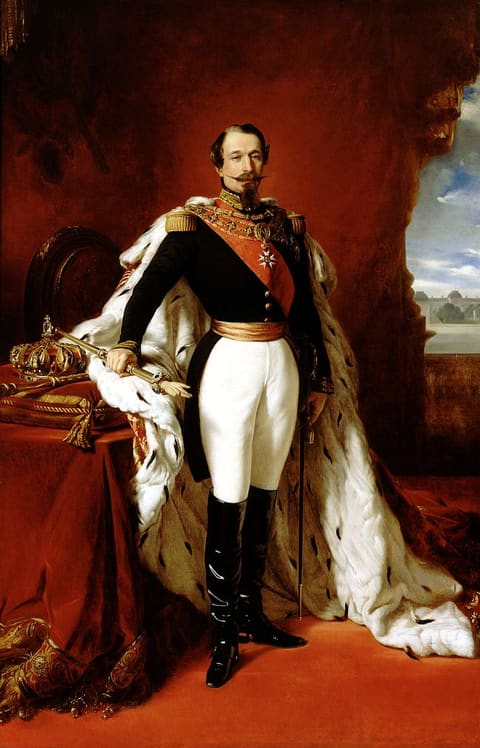
Napoleon III
Nephew of Napoleon Bonaparte, elected president of the French Second Republic and later self-proclaimed emperor in 1852, Napoleon III modernized Paris through Haussmann's urban renewal, promoted industrialization and free trade, but led France into disaster in the Franco-Prussian War of 1870, which ended his reign.
- Politics
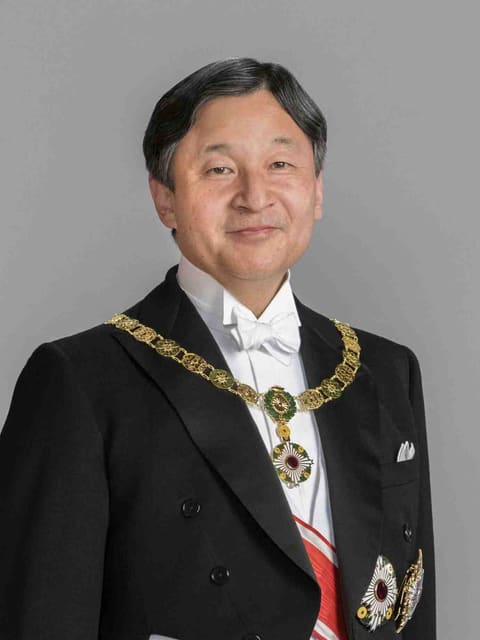
Naruhito
Emperor of Japan since 2019, a symbol of the state with no political powers under the pacifist Constitution. An Oxford-trained historian and water-resources expert, he expresses "deep remorse" over the war and champions peace, the environment and international cooperation.
No profiles found
Try a broader term or choose another filter.